Workouts Library
Premium training sessions guided by elite coaches for maximum physical conditioning
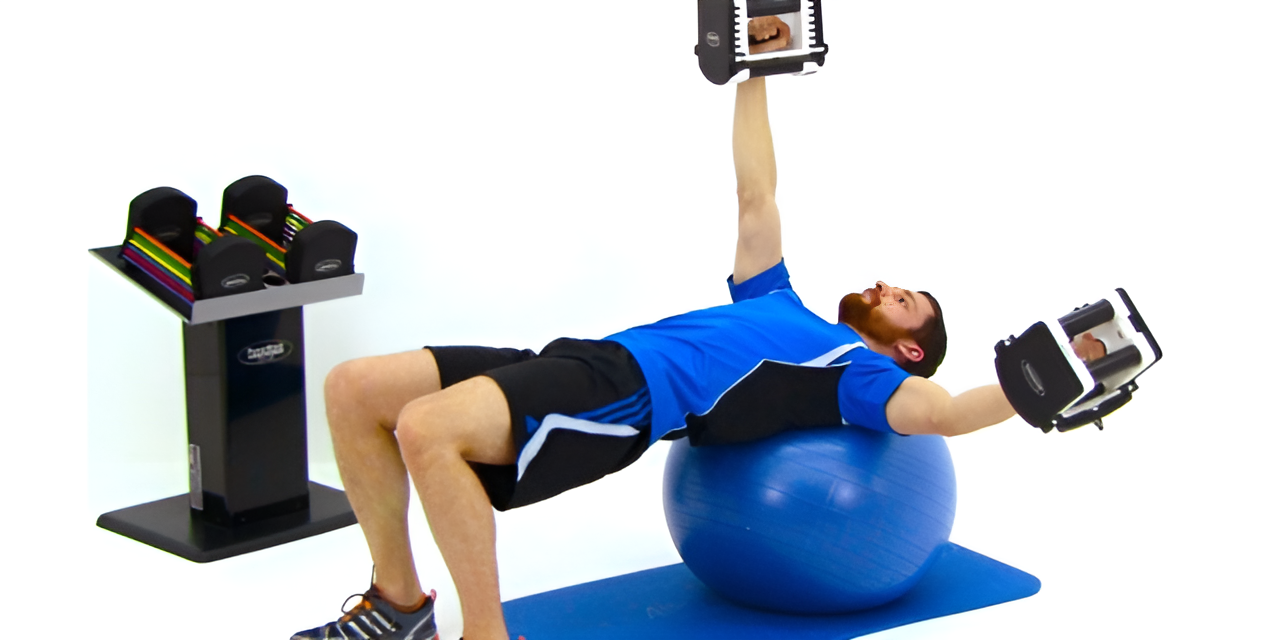
Upper Body Functional Strength Training Workout with Dumbbells Fitness Health Track
Functional Strength Training utilizes resistance to increase the strength in muscles used to complete movements that are frequently used in every day living. This kind of training is ideal because it results not only in increased strength, but also a stronger, more synchronized connection between muscles and the nervous system. Fitness Health Track’s Upper Body Dumbbell Workout has three rounds of seven exercises, for a total of 27 minutes. We do 12 repetitions of each functional exercise. In order to be able to do this routine, you’re going to need a set of dumbbells, (or adjustable dumbbells), and a physioball. If you don’t have a physioball, you can use a bench, but an exercise ball challenges your core more comprehensively because you must constantly be stabilizing yourself. Exercises in this routine: Physioball Alternating Chest Fly Plank Row Shoulder Press/Arnold Press, Alternating Alternating Dumbbell Pullover Alternating Skull Crusher Alternating Hammer Curl Single Leg Overhead Cross Common Questions How often should you do functional strength training? The exact frequency that you will strength train depends on exactly what your goals are. People who want to build strength should aim to train 3-4 times a week, alternating in between workouts that focus on the upper or lower body so that the muscles you worked the day before get to “rest” and recover the next day while you challenge the other muscle group. People who are wanting to gain size may want to train slightly more frequently. Whatever your fitness goals are, it’s important to realize that muscles need rest; doing a strenuous workout on muscles that are still sore and have not had a chance to heal may impede or even undo your gains. How much weight should I choose to lift? You don’t want to choose a light weight and breeze through the entire routine, and you also don’t want to choose a heavy one that jeopardizes your form, either (using a heavy weight that you end up swinging around with momentum to complete the range of motion renders your effort nearly useless). In this strength training workout video we do twelve repetitions of each exercise per set. With that number of repetitions, you want to choose a weight that becomes pretty challenging to lift at around reps 9 or 10. By round three, the last round of reps should start to feel difficult to complete by number 7-8, just because you have already done those two previous rounds. I am a girl and I don’t want big bulging muscles, I want to be slim. Should I lift a light weight with higher reps? Women do not have the hormones necessary to “bulk up” like men do. It takes deliberant training and supplementation to get the bodybuilding look, so do yourself a favor and do not let the fear of looking like the woman version of The Hulk keep you away from strength training. On the flip side, having a higher amount of lean muscle mass will help your body to burn a higher number of calories, even while you’re resting. That means that it’s actually easier to get slim & stay slim. Muscle also takes up less room than fat, which means that strength training could actually end up in your clothes fitting looser and your body looking smaller. There’s also the fact that muscles don’t “jiggle” the way that body fat does. Weight bearing exercises also have a laundry list of health benefits, including increased boned density, increased posture and coordination, improved mood because of endorphins released, and the lessened likelihood of developing various diseases.
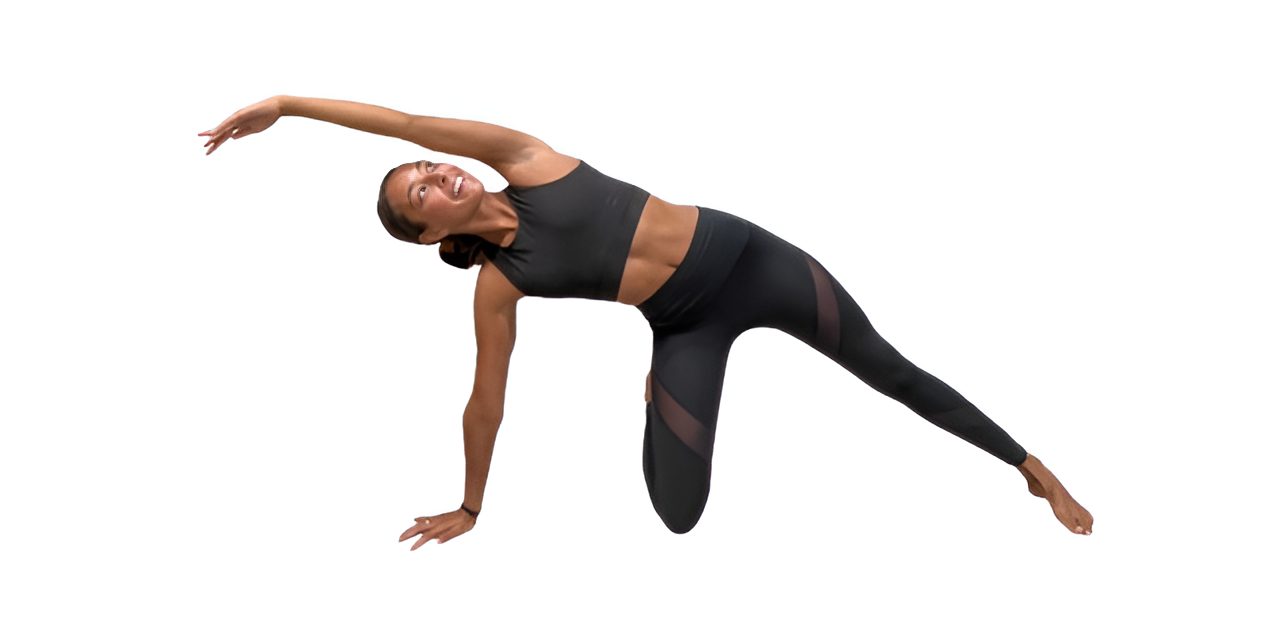
Fitness Blender 5-Day Challenge Day 6: Yang/Yin Yoga Flow: Active Recovery for Mindful Strength-Building Fitness Health Track
Join me on the mat for a delicious, total-body rinse and release, beginning with a warming Vinyasa yoga flow, and ending with a grounding, Yin-inspired stretch session. This workout is part of our Free 5-Day Workout Challenge, but can be done as a standalone workout. If you’re here as part of the challenge: welcome to bonus Day 6 and way to go for prioritizing your active recovery! Now, let’s discuss the workout: This practice contains a warm-up, workout, and cool-down. The warm-up and workout take place in the first half of the practice, where we will warm and engage our muscles. The low-impact movements and posture holds will help us to increase not just muscular strength, but joint strength as well, and actively increase our mobility (range of motion pertaining to joints). If anything offered in this section of the practice feels inaccessible, please take the modification offered (while I do mention some modifications throughout the video, please read below to see more options) or skip the posture altogether. As always, everything I call is a suggestion; this practice is yours and I always encourage my students to get creative and honor their bodies with movements that feel good for them. After our water break, we will melt into our mats with some Yin-inspired stretches. This second half of the practice is considered Yin-inspired because — while you might find some of the stretches offered in this practice in a typical Yin class — we are not holding the postures for nearly as long. Furthermore, a Yin practice has longer holds of these poses so that the body can release with the help of gravity over time, and these longer periods of stillness allow the stretch to passively open joints and release tense fascia tissue. We will not be diving as deep as a true Yin class, however, these stretches can help release any tension in tight muscles, and help you to find an even deeper range of motion in your joints. As always, if you would like to hold any of these stretches for longer, or you would like to add on to your Yin-inspired practice, feel free to pause the video and make this practice your own. There are so many benefits to taking an active recovery day, including (but certainly not limited to) a decrease in lactic acid build-up/soreness, expedited muscle recovery/rebuilding, and improved circulation and waste removal. While this practice can serve as a form of active recovery, you can always come back to this flow any time you’re looking to move a little more gently — not just on your active recovery days 🙂 I hope this practice leaves you feeling more open and at-home in your body! If you enjoyed this 5-Day Challenge, check out the new 4-Week FB Strong Round 3 program, which follows the same theme of workouts. In the program, you’ll find a unique Plus workout every single day (no repeats!). Workout Notes + Benefits: • You can modify your spinal alignment (aka ‘Bird-dog’) by keeping both hands on the mat, and hugging low belly to spine as you expand and contract through the one lifted leg. • You can modify all planks, Vinyasas, and lunges by taking these movements from the knees. • Always work with your range of movement. There is no need to force your body into shapes or positions that cause pain or extreme discomfort. Even if you can’t Warrior 2 with your leg parallel to the mat, or sit all the way into your squat, go as low as your body will allow and work from there; I promise that you are still receiving the benefits of the poses and you are gently (and actively) increasing your range of motion. • Remain mindful of your upper-body posture. Work to keep the chest and gaze lifted in our active lunges and squats. As the body tires, it may be tempting to round the upper back, letting the chest collapse forward. Keeping the gaze lifted and the core tight can help you to keep the chest lifted. • If the wrists ever pose an issue, you can take fists to the mat or bring blocks (firm, weighty books work as well) underneath the palms for added support. • If Crow is in your practice, feel free to take the arm balance through a Vinyasa when we’re transitioning from the Active Yogi Squat. You never need permission to ramp things up or get upside down 😉 • Make sure to actively breathe with our movements and static posture holds. Actively breathing will not only help to warm your muscles, but it can help you release tension held in the muscles; clenching your jaw and/or holding the breath can actually increase the amount of tension being held in the body. Active breathing is especially important in the Yin-inspired section of our practice, as it is much easier to forget about the breath when we’re moving less, and the resistance you feel to the stretches makes you want to tighten up further. • Warming and engaging the muscles through low-impact, strength-building movements can help to increase circulation, aiding in muscle recovery. Furthermore, when we actively stretch our muscles before passively stretching them, we decrease our risk of injury to those muscles and increase our mobility. Equipment • Yoga Mat (optional) Flow Structure Integration • Reverse Plank Flow [x3] • Boat • Low Boat • Down-Dog Flow [x3] • Knee Tap • High Plank • Optional Chaturangas [0-3] • Walk Hands Back to Forward Fold • 3 Half Sun A’s Warming • Table Top • Spinal Alignment [x3] • Modified Side Plank • Cheetah • Wild Thing Exploration • Runner’s Lunge • Modified Pyramid • Active Squat • Modified Crow • Oscillating Cobra • Locust • Vinyasa Peak • One-Legged Mountain • Half Moon • Warrior 2 • Active Skandasana [Modification: Archer’s Pose] • Prasarita w/ Fold • Twisted Lizard Lunge • Vinyasa Water Break Re-Center • Half Pigeon [Modification: Reclined Half Pigeon] • Half Lord Of The Fishes • Snail Pose • Puppy • Sphinx/Seal Release • Shoulder Stretch • Half Frog [Option: Thread The Needle] • Child’s Pose (as a transition onto back) • Banana • Happy Baby or Plow [Advanced Option: Shoulder Stand or Yogi Choice Inversion] Rest • Your Savasana
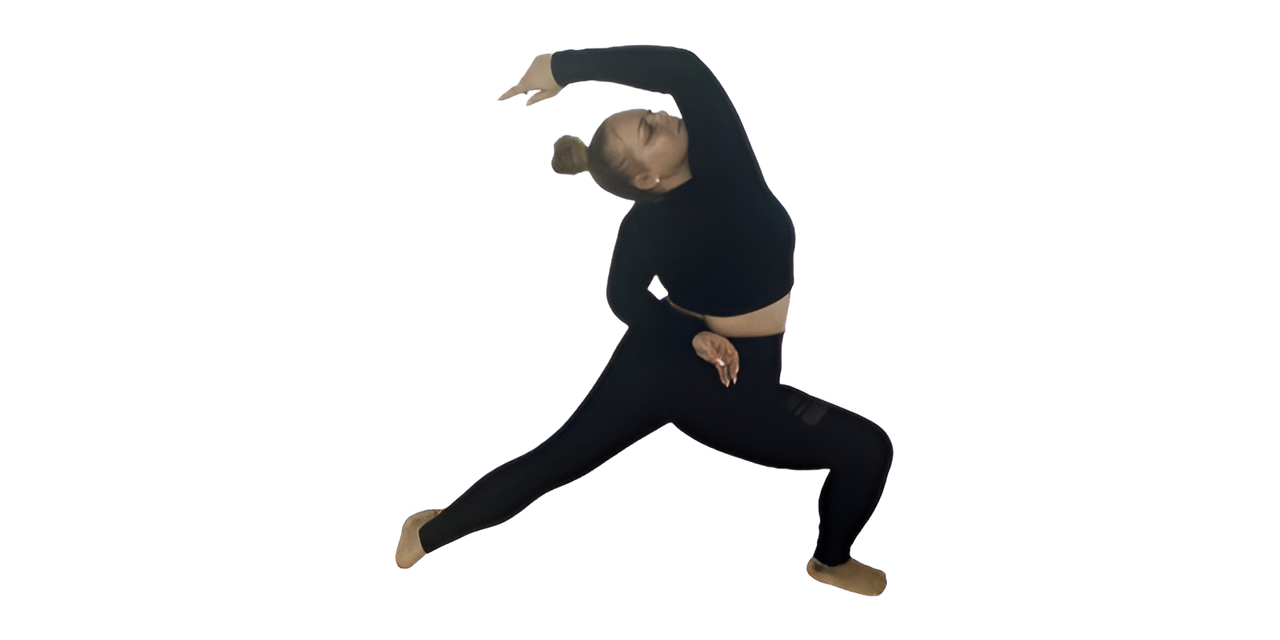
Total Body Morning Yoga Fitness Health Track
This flow is one of my favorites. When I wake up in the morning, I like to start my day with routine stretches that will get my blood flowing, my energy up, and set the tone for the day. This practice will make you sweat and help your body decompress at the same time. Patterns of movement create a sensory memory that we can build on. Starting with the pattern of breath, each movement is meant to match each inhale or exhale to encourage deep controlled breathing that promotes decreased feelings of stress, increase energy level and relaxation, and stabilize blood pressure. If you focus on your breath, your mind will calm down. Below are some alignment cues to keep in mind for safety in Low Lunge: Start in a runner’s lunge, right leg forward with knee over ankle and left knee on ground with top of your foot flat on the mat. Slowly lift torso and rest hands lightly on right thigh. Lean hips forward slightly, keeping right knee behind toes, and feel the stretch in the left hip flexor. Hold here, or for a deeper stretch, raise arms overhead, biceps by ears. Hold for at least 30 seconds, then repeat on opposite side. The low body muscles targeted in this sequence include the hamstrings, hip flexors, quads, and glutes. Each time we cycle through a pattern of movement, there will be 1-2 postures added to the sequence. Repetition with all the body to open up to each shape gradually. Meet me on the mat! Warm-up Seated Side Stretches Table Cat / Cow Down dog Three legged dog LEFT SIDE Fold Upward salute Fold Half lift Plank Chaturanga Upward dog Down Dog Repeat on the right side Tiptoe to Top of the mat Fold Power Pose hands bound Chair pose Fold Upward salute Fold Plank Chaturanga Upward dog Down Dog ***Break*** FLOW Three legged dog LEFT SIDE Low Lunge High Lunge Warrior 1 Warrior 2 Reverse Warrior Side angle DYNAMIC MOVEMENT Fold Upward salute Fold Half lift Plank Chaturanga Upward dog Down Dog Repeat on right side Three legged dog LEFT SIDE High Lunge Warrior 1 Warrior 2 Reverse Warrior Side angle Triangle Reverse Triangle Fold Upward salute Fold Half lift Plank Chaturanga Upward dog Down Dog Repeat on right side ***Break*** FLOW PHASE 2 Three legged dog LEFT SIDE Knee to nose Knee to elbow Knee to opposite elbow Pigeon pose Three legged dog LEFT SIDE Plank Chaturanga Upward dog Down Dog Repeat on right side COOL DOWN Walk hands back to feet Squat Take a seat Staff pose Boat pose Happy baby Your Resting Pose
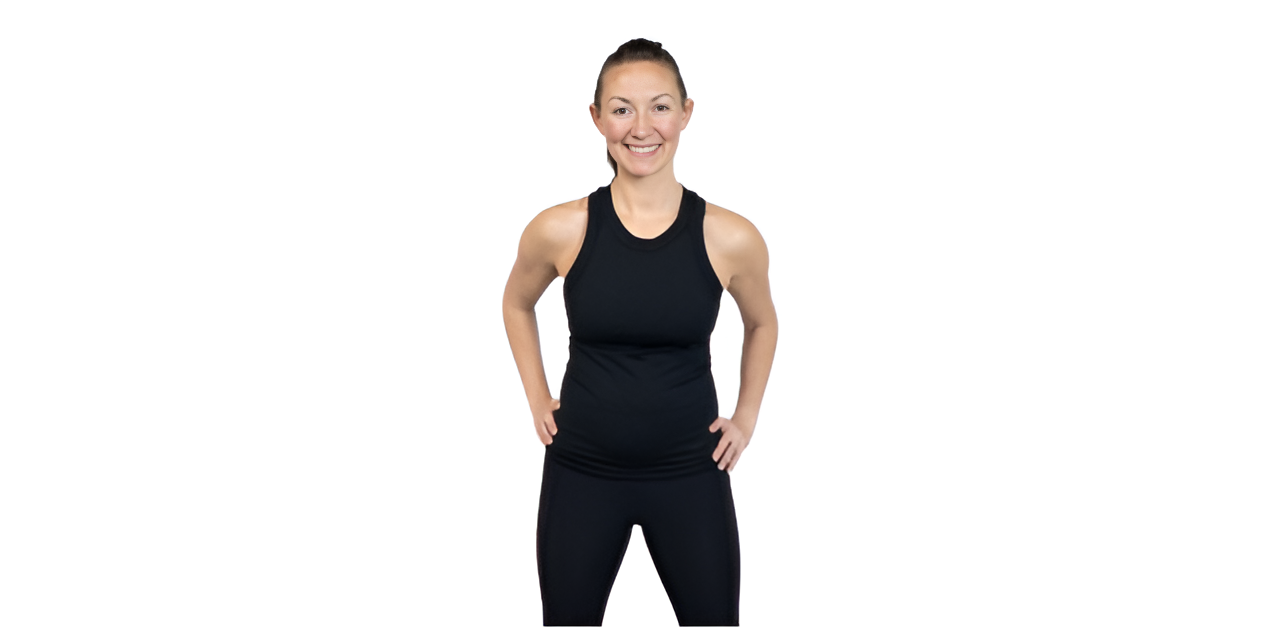
Full Body Strength and Cardio Workout Fitness Health Track
If you’re looking to get in an effective workout in under 25 minutes, look no further. This is a short and sweet mash-up between two important training styles: strength and cardiovascular training. High and low-impact modifications are offered so you can meet your body exactly where it’s at. When it comes to getting the most “bang” for your time, pairing strength and cardio can be very effective. Strength training allows us to build lean muscle while cardiovascular exercise keeps the heart rate up. Together, they make a great metabolism booster and energy release to fuel your day! I was recently taking a cycling class where the instructor said, “What better way to celebrate your body than to feel the release of energy and power your body holds?” I couldn’t agree more. This workout is the kind that feels like a celebration of what your body can do. Without being too intense or too mild, it lands right in the middle for an empowering and energizing “celebration,” if you will. Let’s take a peek into the format: • 4 total supersets of 2 exercises • 1 exercise is strength based / 1 exercise is cardio based • Perform the 2 exercises back to back for 30 seconds each (no rest between) • Rest for 30 seconds and repeat We kept equipment on the minimal side for this one. Just grab a set of dumbbells (medium for you) and an optional mat. This workout is a solid level 3 but could feel like a 4 if you use heavy (for you) weights, move at a quick pace, and keep moving during the rest breaks! On the topic of “celebrating your body” with exercise, what types of workouts feel like a celebration for you? There’s no wrong answer — let me know in the comments! Happy moving! Nicole Printable Workout Warmup: 8 exercises; 1 Round; 30 Seconds Each Hip Circles Arm Circles – alternate directions every 5 Toe Reach to squat Butt Kickers Reverse Lunge + Overhead reach, alternating T-Y-I Squat to Calf raise Downdog to plank Workout: Perform the pair of exercises back to back for 30 seconds each, before resting for 30 seconds. Complete each pair for two rounds. No extra rest between groups. Squat Thruster Lateral Skaters Row + Reverse Lunge X-Jack WATER BREAK Push-up to Plank Tap Knee Repeater (x2) to Plank Deadlift Combo Lateral High knees WATER BREAK Cool-down: 8 Exercises; 1 Round; 30 Seconds Each Single Leg Hamstring Stretch – R Quad Stretch – R Hip Stretch – R Single Leg Hamstring Stretch – L Quad Stretch – L Hip Stretch – L Chest/Neck Stretch Hug the Tree
Lower Body Pure Strength Supersets Fitness Health Track
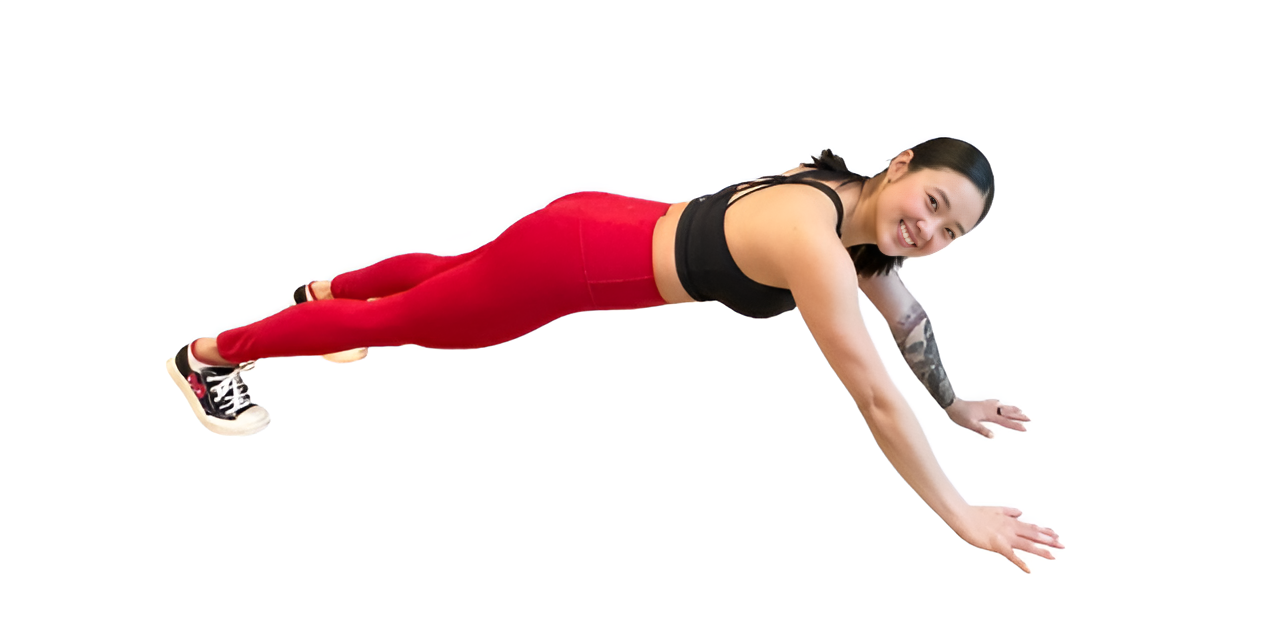
This lower body workout combines traditional strength moves with bodyweight floor-based exercises. The result is a highly scalable routine with easy-to-follow timers and rest breaks. When we add supersets to a strength workout, the second exercise usually works in opposition the first one by fatiguing different muscle groups. However, in today’s routine, we’ll be adding bodyweight exercises that feature core strength and glute work. The result is a workout that builds muscle strength as well endurance in the large and smaller supportive muscles in the lower body. The workout begins with a 4-minute warm-up before transitioning into the strength circuit. Each set contains two exercises that will be performed in an AB format without a rest break (also known as a superset). After we complete both exercises, we’ll take a 15-second rest before repeating once more. The circuit contains three groups of exercises before we head into the first water break. After the water break, we’ll reverse the format of these exercises and perform the bodyweight exercises before supersetting with the weighted strength moves. Feel free to drop weights during the second set, especially if your technique falters. Browse through some of these ideas to personalize this workout for your needs: Add resistance bands around your thighs during the floor-based exercises: Adding resistance to these exercises enhances the challenge of this routine without sacrificing joint position or compression on tender areas of the body. Bonus: Most of the floor exercises target a small muscle known as the glute medius, which is not necessarily targeted with large, compound movements like the squat or deadlift. Lift moderately heavy for your own strength: Avoid the tendency to reach for the super heavy weights during this one. Adding in supersets that emphasize core stabilization and bodyweight burnouts will elevate this strength workout into one that features control and coordination. Don’t be frustrated by the need to lower weight, especially in the second round! Choose a light weight if you’re returning from a workout hiatus: Choose light dumbbells that add just a bit of spice to your efforts. Who would benefit from this option? Those who are recovering from illness or injuries may wish to use this modification as opposed to the ones listed above. Kayla’s Workout Notes • At the time of filming, I was recovering from a massive allergy flare up. Please excuse my video cuts as I needed to obnoxiously cough several times throughout the workout. • There’s a little bit of repetition in the routine, but we move quickly throughout the circuits. Timers last 45-seconds, and you will hear a 3-2-1 countdown before the transition. Rest periods between supersets will last 15-seconds. • We are rating this workout as a Level 3 difficulty. Depending on your weight selection and lifting speed, it may feel like a Level 4. A brief comment about traditional versus functional strength training: I want to share the intention of my previous workout in comparison to routines like this one. Traditional strength training takes many forms, but usually includes your go-to moves like squats, deadlifts, push-ups, etc. that directly strengthen the intended area (quads, glutes, hamstrings, shoulders). On the other hand, functional strength training prepares you for real world scenarios. These tasks require high levels of functional strength to prevent you from falling over, collapsing, or injuring yourself. While functional strength training is typically not as exciting as strength training, it trains our muscles in a completely new and different capacity. Everyone can benefit from it regardless of age, fitness level, or lifting experience because it increases stability in addition to strengthening. More often than not, these types of workouts increase core, low back, hip, and shoulder stability, which makes sense because those areas are commonly affected by chronic pain or dysfunction. In future workouts, I challenge you to consider adding 1-2 functional strength moves into your rotation. You might be pleasantly surprised with the results! Printed Workout Warm Up (4 min) Reverse lunge + torso twist (alt) Kneeling glute extension + hip opener (alt) Squat + Good Morning Butt kicks Strength Circuit 1 (10 min) AB format, 45 seconds on, no rest between moves, 2 rounds. 15 seconds between sets Straight leg deadlifts Inchworm Goblet squats Glute pulses Kettlebell swings Glute up/overs *Water Break* Strength Circuit 2 (10 min) AB format, 45 seconds on, no rest between moves, 2 rounds. 15 seconds between sets Inchworm Straight leg deadlifts Glute pulses Goblet squats Glute up/overs Kettlebell swings *Water Break* Cool down (5 min) Hip rocker + thread the needle Seated hamstring stretch Cobra Lying quad stretch Deep glute stretch Lower trunk rotations Full body stretch
3-Round Whole Body Burn Fitness Health Track
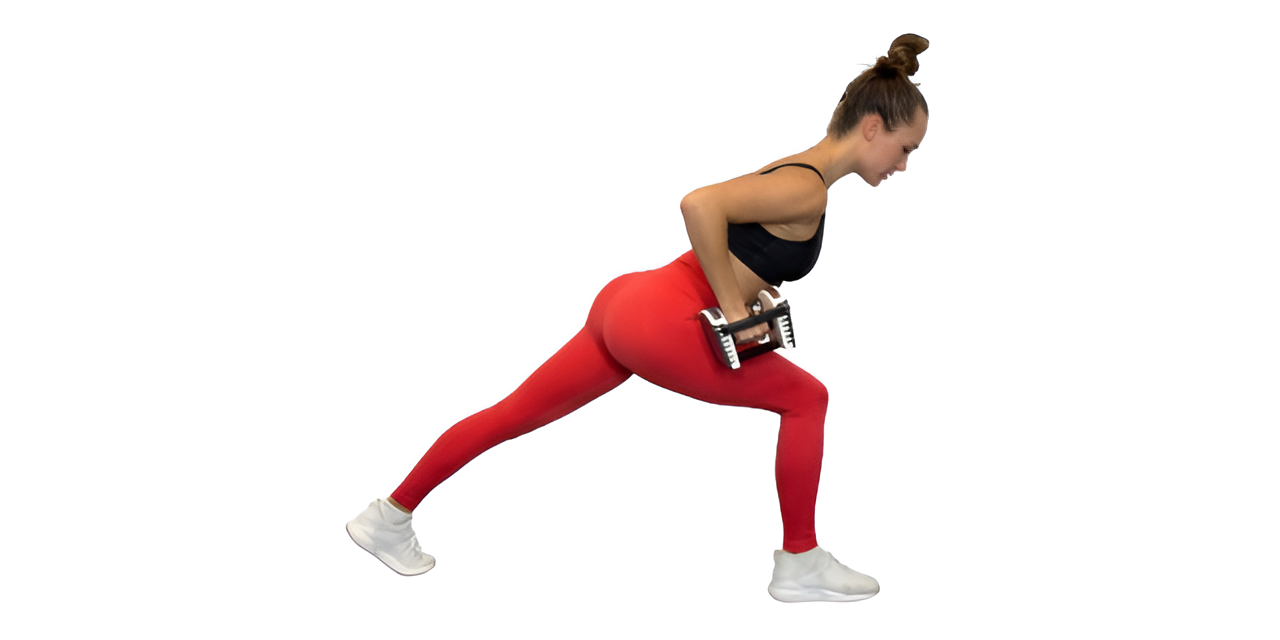
This is a short and efficient total body strength workout that will naturally start to feel like cardio, especially with the 30-second cardio bookend to each round. We complete 5 strength-based intervals followed by one shorter cardio interval and will make our way through that 3 times. Equipment: Range of medium to heavy dumbbells (I’m using 9, 15, and 18 lbs) and a mat. Being that we will complete each exercise 3 times, this routine makes for a great opportunity to practice mental toughness! We see common movement patterns and cover major muscle groups so it’s a great way to buckle down and refine your form and mind-to-muscle connection. You’ll see me switching out my weights for each interval and, with 20 seconds of rest between each, there should be plenty of time to do so if needed. Difficulty & Modifications Explained: This workout is rated a level 3 due to the exercises being highly scalable. Your choice of weights and whether or not you utilize the modifications shared will greatly influence the level of difficulty. Can you use the same weights in round 3 as you started with in round 1?! That’s my added challenge to you in this short and sweet workout. xxErica Warm-Up: 8 exercises, 40 seconds each (5.3 minutes) Doggies (One Side) Doggies (Other Side) Alt Lever + Toe Touch Crunch Push Up Lower + Cobra Rocks Alt Runners Lunge Forward Fold + Upright Row Step Out Squat Alt Hook Punches Workout: 5 strength exercises for 45 seconds active / 20 seconds rest, 1 cardio exercise for 30 seconds active x3 rounds total (about 19 minutes) RDL + Upright Row (2 x 18 lbs) Step Out Squat + Hammer Curl (2 x 15 lbs) Chest Press + Alt Toe Touch Crunch/Lever (2 x 18 lbs) Alt Runners Lunge + Close Row (2 x 9 lbs) Doggie Extensions (Switch Halfway) Alt Hook Punches + Elevator Squat **Water Break after Round 2 & before Cool Down** Cool Down: 8 exercises, 40 seconds each (5.3 minutes) Seated Forward Fold Upper Body Opener Supine Twist (Switch Halfway) Downward Dog from Elbows Low Runner’s Lunge (One Side) Low Runner’s Lunge (Other Side) Pigeon (One Side) Pigeon (Other Side) Pounds to Kilograms lbs = kg 3 = 1.3 5 = 2.2 6 = 2.7 9 = 4.1 10 = 4.5 12 = 5.4 15 = 6.8 18 = 8.1 20 = 9 21 = 9.5 24 = 10.8 25 = 11.3 30 = 13.6
20 Minute Home Upper Body Workout Routine Fitness Health Track
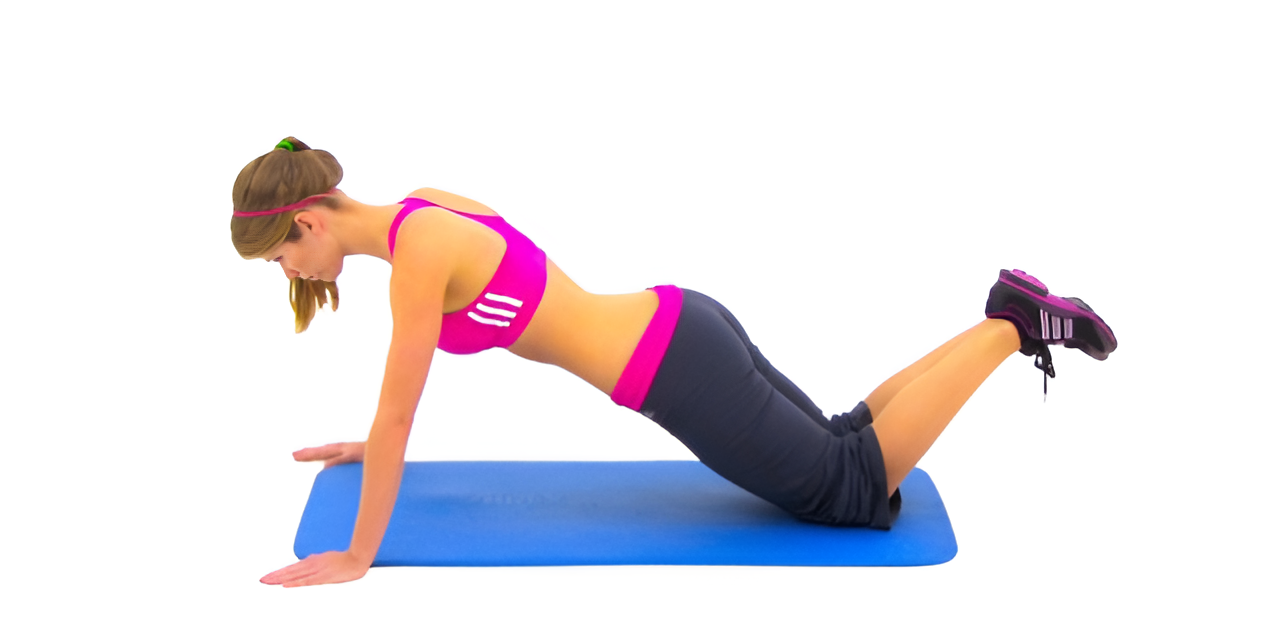
Fitness Health Track’s 20 Minute Upper Body Workout allows you to effectively tone the chest and arms at home or on the road. This video uses only bodyweight exercises, a mat, and a set of dumbbells. If you don’t have access to dumbbells, you can also easily do all of these movements with a resistance band with a few minor adjustments. There are six exercises in total, and twelve repetitions each. The video routine consists of three rounds, followed by a short stretching routine for the muscles that you have just used. You get to decide just how difficult this home chest and arm workout is when you pick the size of the dumbbells that you use during the routine. An ideal dumbbell weight is one that makes it feel difficult to complete the last 2-3 repetitions of a set of any given exercise. However, make sure that you never sacrifice form for a heavier weight as you severely lessen the effectiveness of a move when you don’t execute it properly. In order to prevent any strains or injuries, always make sure that you have done at least 5 minutes of light cardio to get your muscles warm and ready to train. Do this routine up to 3 times a week, always giving muscles a day off (or two if they are still sore) for a chance to heal. It is a good idea to strength train an opposite, complimentary muscle group in those “off” days. In this case, you would want to train the lower body the day after doing this particular video. We estimate that this routine burns 130-175 calories. These numbers are just estimates as many variables factor in, including your lean body mass, body weight, baseline fitness level, gender, and more. You can increase the caloric burn of this workout video by using a weight that is on the heavy side and challenging for you to lift.
Fat Blasting Total Body Strength and Toning Workout Fitness Health Track
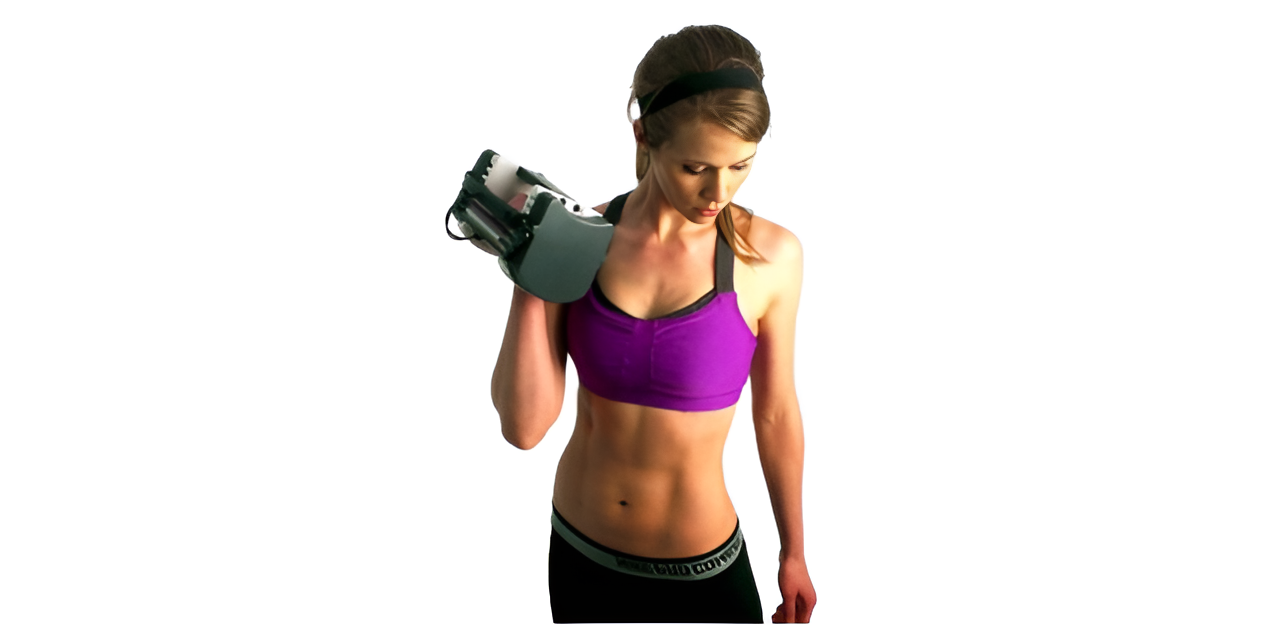
This total body routine focuses on using multiple muscle groups from upper, lower, and core — all at the same time — to give you an awesome comprehensive workout in a very short period of time. Though this workout is hard even without extra weight, we have included the use of dumbbells to get even more strength and toning gains as wells as a bump in calorie burn, of course. If you don’t have dumbbells, feel free to get creative, as you can use pretty much any weighted object in place of dumbbells as long as you can hold it in your hands. By focusing on multiple muscle groups at the same time, this routine has many added benefits aside from just increasing strength and burning calories. One of the most beneficial side effects is that this type of routine can build coordination and balance and even improve your body’s ability to determine its spatial orientation, its proximity and orientation from one limb to another, and from your body to surrounding objects. This may seem trivial, but having an improved ability to perceive where one’s body is in space is what makes elite athletes so agile, fluid, and able to move easily from one type of movement into another. Though this routine by itself will not make you an elite athlete, it is most definitely a step in the right direction. What most people will be excited about rather than improved spacial orientation, is the fact that when you work multiple muscles groups at the same time you also increase your ability to burn calories. Keep in mind that because of the use of dumbbells, the number of calories burnt per minute can be greatly different depending on the amount of extra weight you are using (if you are using extra weight at all). With that said, the following average calorie burn can be lower if you don’t use weight and can be higher if you use really heavy weight (over 20 lb for any given exercise). The average burn you can expect from this workout is 8 calories per minute on the low end and closer to 14 calories on the high end — and that includes the warm up and cool down in that average. That will give you a total of 320 to 560 calories burnt with this 40 minute routine. Below is a written version of the video above showing which exercises are used. Remember, this workout also has a warm up and cool down not shown here. The main routine is done in an AB, AB format with two exercises at a time, each being done for 10 repetitions each twice through. Reverse Lunges + Three Rear Leg Lifts Clean and Press Step Up + Knee with a Curl to Overhead Press Single Leg Assisted Lunge with a Static Curl Weighted Bridge Static Bridge with Chest Fly (or Chest Press) Static Bridge with a Skull Crusher Single Leg Oblique Jackknife (weighted) Deadlift with a Close Dumbbell Row Calf Raise with Alternating Side Leg Lift
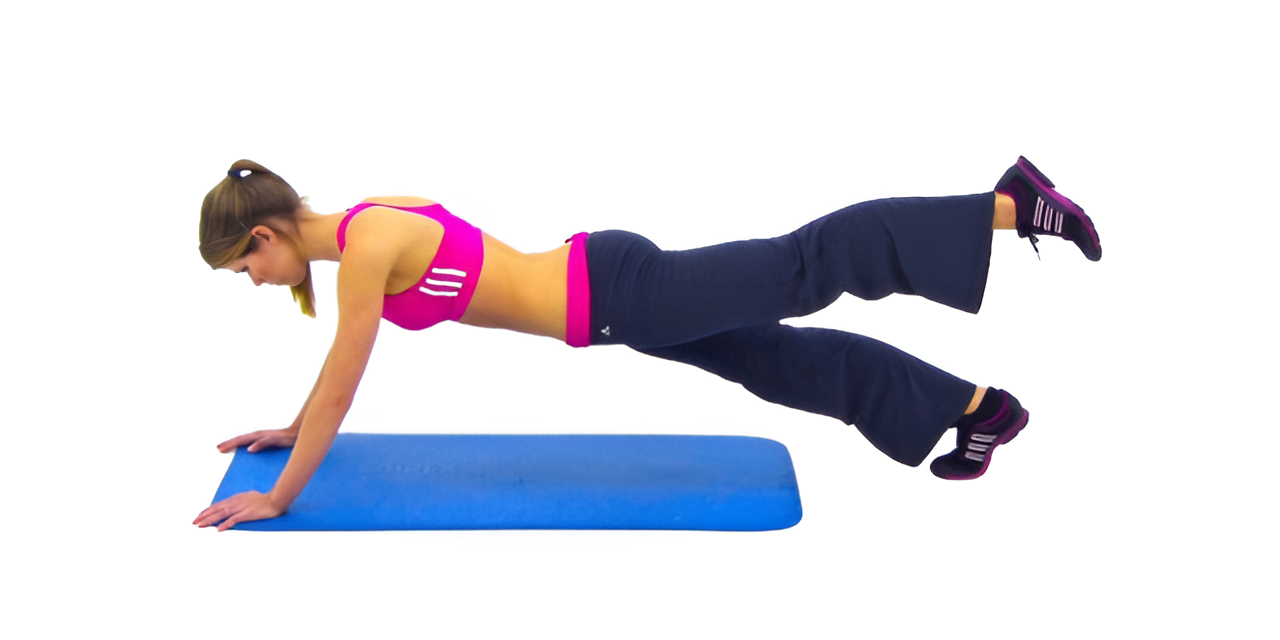
25 Minute Abs and Obliques Workout Fitness Health Track
This 25 minute home workout focuses on toning and strengthening the abdominals and the obliques. There are eight ab exercises in total, with 14 repetitions a piece and three rounds of the entire routine. With a combination of Pilates exercises and light strength training moves, this abdominal routine is ideal for getting a defined, toned stomach. They say that abs are made in the kitchen, and that’s really not a bluff; if you want a toned stomach, you have to keep your overall body fat low and diet is a huge component. Eating clean (see Fitness Health Track recipes for meal ideas & to learn about clean eating) and within your body’s recommended calorie intake is crucial to being able to see the muscles that you train so hard to develop. It’s important to remember that you also can’t spot reduce fat, and intensely targeting just one body part is inefficient and ineffective. With that said, proper diet, total body strength training, cardio, maintenance of a healthy bodyweight and low body fat, and doing routines like this one that focus on the abs and obliques can help to minimize body fat, and get rid of love handles and/or slim the waist. Focusing on the obliques can help to tone and pull in the sides, helping a person attain the appearance of a more curvy body type or the look of an hourglass shape (or just a smaller waist). Muscle takes up less room than fat, and it burns calories faster, too. Do Fitness Health Track’s 25 Minute Abs and Obliques Workout 3 times a week, giving core muscles more time to heal if they are ever sore between routines. This routine is great for pairing with a cardio workout – ideal, you would do 15 minutes of cardio before this video, and 15-30 minutes more afterwards. We estimate that this routine can burn between 160 – 220 calories. These are just rough calculations, as many different variables will work together to determine the exact amount that your body expends, including bodyweight, muscle mass, gender, effort level, ect. Workout Structure: 8 exercises, 14 repetitions, 3 rounds through 1- Pilates leg pulls (8 on each side) Easy: From knees Hard: Out in plank on toes 2- Reclined oblique twist Easy Butt resting on ground Hard- Butt lifted 3- Push-up plank (30 seconds on each side) Easy- From knees Hard- From toes 4- Jacknife crunches Easy- Knees bent Hard- Legs extended and held in air 5- Scissored crunches (8 on each side) Easy- Legs extended on ground Hard- Knees held at 90-degree angle 6- Pilates tabletops (8 with each leg leading) Easy- Alternating legs; touch feet down Hard- Simultaneous legs; keep feet up 7- Flutter kicks Easy- Hands underneath butt; long range of motion Hard- Hands at sides; short, quick range of motion 8- Russian twists Easy- 45-degree angle; feet on ground Hard- 90-degree angle; feet lifted and balancing **Repeat entire round twice more all the way through**
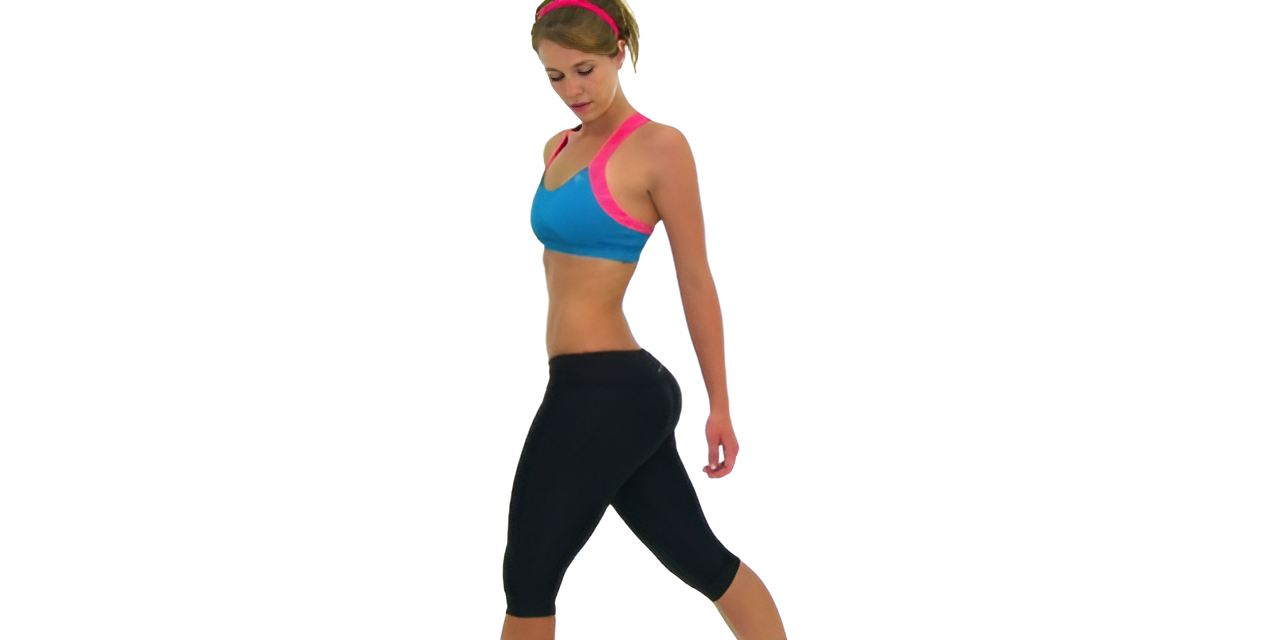
Freeze and Squeeze Bodyweight Boot Camp Active and Static Interval Workout Challenge Fitness Health Track
Here’s a Boot Camp Workout that’s a whole new kind of challenge. Your warm up cardio and cool down stretches are both included, so you’ve got everything you need in one place to get in a good workout in under 30 minutes. We’ve paired one thirty second interval of an “active” toning or cardio exercise with thirty seconds of a static hold of a position that utilizes the same muscle group. You’ll do 30 seconds of each, take a twenty second active rest, and then repeat the active and static groups again. The “freeze and squeeze” is the static interval; hold the position we show you and do your best to keep every muscle group contracted and tight to get the most out of it. This is a surefire way to get your muscles burning like crazy. If this routine feels too easy for you, feel free to bump up the pace of the cardio intervals, or add weights to the reps or static holds. You can also turn this into a more advanced workout by doing high knees or even burpees during the active rest periods (instead of a jog in place/boxer shuffle). Workout Structure 3 Minute Warm Up Cardio 23 Minute Active- Static “Freeze and Squeeze” Workout 3 Minute Cool Down and Stretch Exercises Squat Jacks Static Lunge Swimmers Back Bow Hold Toe Touch Crunches Toe Touch Hold Bridges Static Bridge High Knees Captain Morgan (right for one of the intervals, left for the next) Ski Squats Static Squat Arm Circles Lateral Arm Raise Hold Burpees High Plank We estimate that this 29 minute workout burns 208-348 calories. There are many different variables specific to each individual that will influence actual caloric expenditure, including bodyweight, muscle mass, gender, effort levels, and more. Fitness Health Track’s calorie burn estimates are usually based off of an individual weighing between 115-25 lbs. If you weight more or less than those figures, your actual expenditure may fall outside of our estimates. You can help ensure that you come out on the high end of the range by giving your full blown effort, all the way through the routine. What did you think of this kind of workout? Did you like the challenge of the Active and Static Workout? Let us know if you’d like to see more like this one in the comments section below.
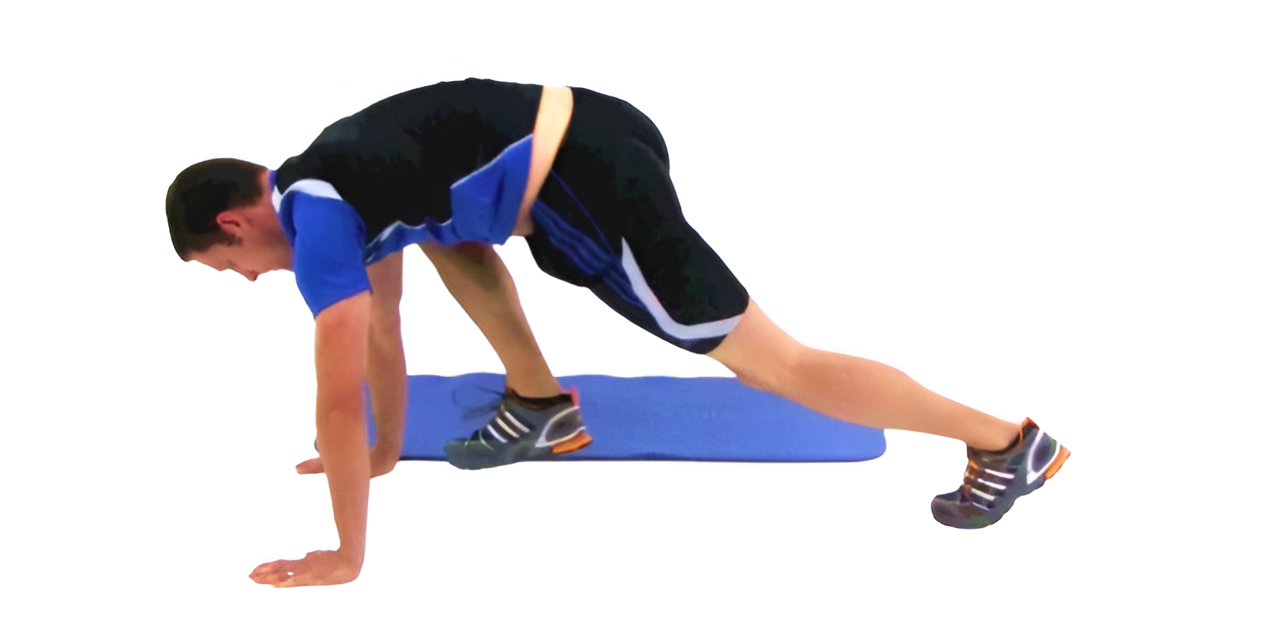
15 Minute Total Body Boot Camp Fitness Health Track
This 15 minute home workout video uses a tabata structure to make a seemingly easy task (just 20 seconds of each move) extremely challenging. The result is that by the end of all three rounds of any of the exercises, both your lungs and your muscles are screaming and begging for a rest. This Total Body Boot Camp require only your bodyweight; you won’t need any equipment. Each exercise burns a high number of calories due to the large muscle groups used. Because of the intense, full-on exertion that come with each 20 second burst of the Tabata rounds, you’ll get a serious metabolic bump from this workout; you will likely have an hour or two of elevated calorie burn, long after you’ve finished up with this short routine. This routine specifically tones and targets your upper and lower abdominals, glutes, hamstrings & quadriceps, pectorals, triceps, obliques, rhomboids, lower back, shoulders, and inner and outer thigh. As you can see by this lengthy and nearly inclusive list of muscles used, this truly is a total body workout. Make sure that you have really done a thorough job of warming up your muscles before you jump into strenuous activity. When you are at rest, your blood vessels are constricted and not giving your body a proper opportunity to warm up before working out intensely can cause a short jump up in your blood pressure. It also increases the chances of pulling muscles, which can sideline you and thwart your fitness progess. Every individual will vary widely in how many calories this workout burns, but for estimation purposes, we approximate that a 130 pound woman might burn 140 calories doing this routine, and a 180 pound man might burn around 180. The benefit about workouts with this kind of structure (where you do a high intensity exercise for a short period of time followed by a brief rest) is that the elevated caloric burn lasts longer than your workout does; even once you are finished exercising, it will take a while for your metabolism to slow down to its resting rate, meaning that you are burning energy at a higher rate for longer than just the 15 minutes that it takes to do this routine. Workout Structure: – Mt Climbers – Russian Twist – Burpee – Squat Jack – Jack Knife Crunch – Back Bow Crossover – Wide Push-Up – Supine Push-Up – Plank Jacks
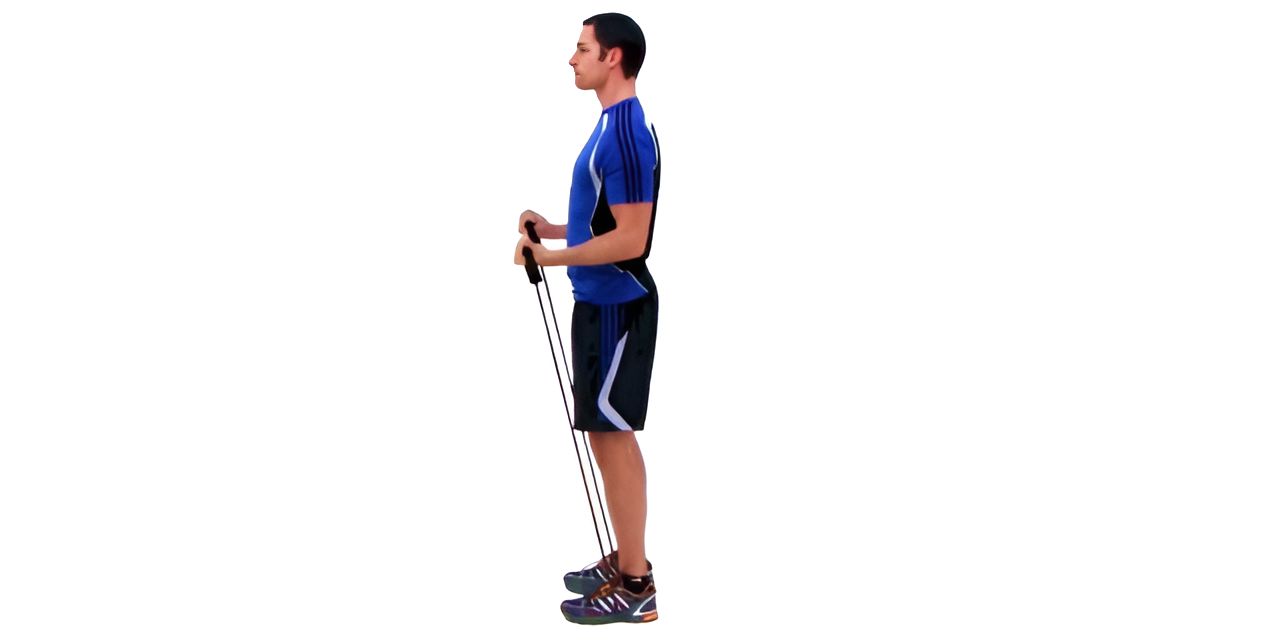
16 Minute Bicep & Tricep Super Set Workout Resistance Band Exercis Fitness Health Track
Whether you are looking to strengthen and build your arms or trying to tone and get rid of flab this Bicep and Tricep routine will do the trick. Super Sets (doing two exercises that work the same muscle group back to back) can help you achieve your goals in less time than a traditional weight routine by making your muscles produce high amounts of lactic acid which in turn releases hormones that tell your muscles build and/or tone up. For those of you who cringe at the thought of “building size” in any part of your body, keep in mind that you can also use this routine to slim and tone your arms. This is accomplished by using a band with a challenging weight, and as it becomes easier you increase the number of repetitions per set. Start with 12 repetitions and slowly increase to 20 or even 30 repetitions as the motion becomes easier. On the other hand, for those who are striving for more strength and size this Super Set workout routine can deliver that as well. What you will want to do is keep your repetitions at 10 or lower (per set), and as the motion becomes easier move up to the next most difficult resistance band. You always want to be on the verge of failure and possibly not even able to finish the last few repetitions on the last set of exercises. Also though this routine uses resistance bands (because they are the cheapest to get your hands on for a home gym) you can also substitute in dumbbells as well, if you have wide selection. All of the motions throughout this routine can be directly swapped out from the resistance bands to dumbbells without any modifications with the exception of the Standing Tricep Band Pull. This exercise can be modified to use dumbbells by putting a slight bend in your knees and bending over at your hips until your chest is parallel with the ground. Then in a similar motion to the band exercise, start with your hands hanging under your elbow with your upper arm parallel to the ground; extend your hands up and out to the sides. Just be sure to keep your chest and upper arm parallel to the ground and your back perfectly flat. The exercises in this routine were selected to target all areas of the biceps and triceps making sure that the strength and/or tone you build is complete through every angle and range of motion that those muscles work.