Workouts Library
Premium training sessions guided by elite coaches for maximum physical conditioning
Lower Body Strength with Glute Focused Burnout Round 43 Minute Butt and Thigh Workout Fitness Health Track
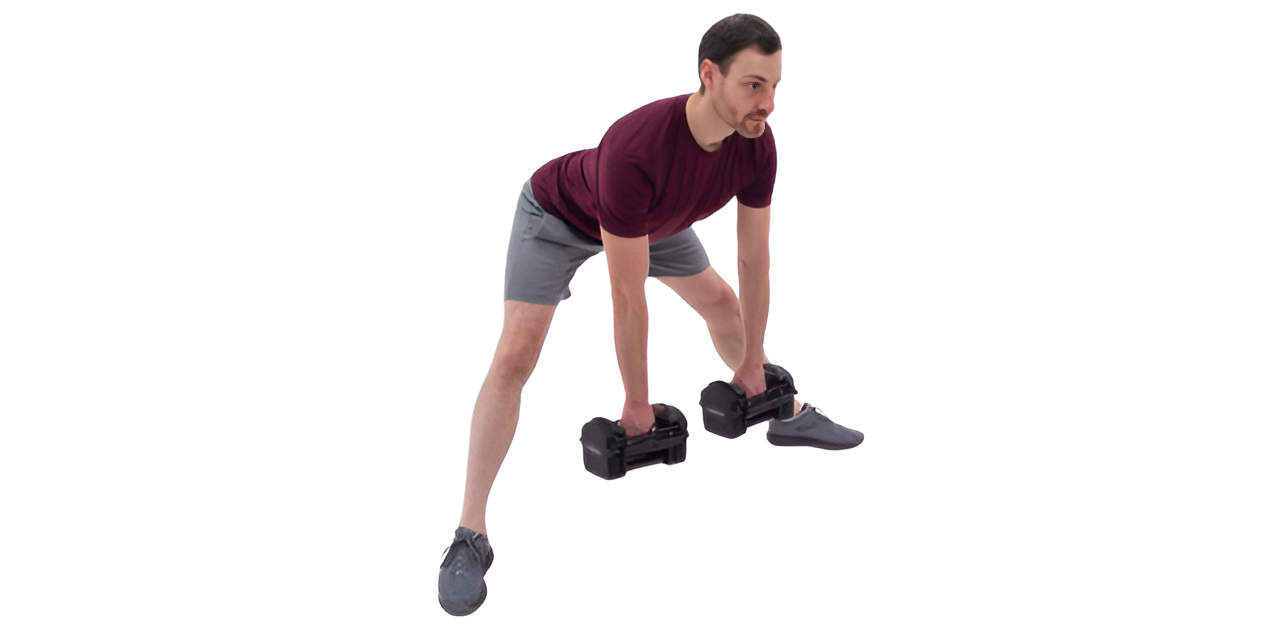
Looking for a beast of a lower body workout? Well, you may have just found what you are looking for. This lower body workout can be used for toning, strength, or mass building, so you can use it for exactly what you need. In this routine we have broken the workout into three groups (not including the warm up and cooldown). The first two groups will be done in an interval style of 45 seconds of activity with 15 seconds of rest to prepare for the next exercise. Each of these first two groups have 4 exercises each and will be done in an alternating A,B A,B pattern, alternating back and forth between two of the four exercises at a time. Each exercise will be done for a total of three sets each before moving onto the next exercises, giving us a total of 12 intervals each for the first two groups. The last group before our cooldown and stretch will be done differently. Though there are again four exercises in this group, we will instead do each exercise for just one set using intervals of 60 seconds on and 15 seconds rest. This combination of two groups using a more traditional three sets per exercise followed by a group using a single burnout set will allow us to effectively fatigue the muscles to the point where we can get the micro tears in our muscle that lead to an increase in strength and mass. With that being said, remember that you can control exactly what results you get from this routine by adjusting the weight you choose to lift and how quickly you do each repetition. For a more toning-focused workout, use body weight only or very light weight and move more quickly (as long as you are still moving with control and not using momentum to help complete the movement being performed). If you want to focus more on building overall muscle size, then keep your movements slow and choose the heaviest weight you can control through a full range of motion. With mass building your goal should be to get through 90-100% of each of the first two sets (of any given exercise) before your muscles start to give out and your form starts to suffer. The goal for the third (last) set of each exercise should be to complete 80-90% of the interval before your muscles give out. If you want to just focus on general strength without necessarily increasing the size of the muscle being worked then pick a weight somewhere in between the two options above. This was a great workout for me and made my legs and glutes nice and sore the next day, so I hope you enjoy it as well. Let us know what you thought of this workout in the comments below. Workout Structure: – 3 Groups with 4 Exercises Each – 3 Sets per Exercise – Intervals of 45 Sec On and 15 Sec Rest – Group 3 is 1 Set at 60 Seconds per Exercise Equipement: – Dumbbells Warm Up / Cooldown: – Both Included Warm Up: 5 Minutes (30 Seconds Each) – Side Step w/ Overhead Reach – Toe Touch Sweeps – Slow March – Ice Skaters (L) – Ice Skaters (R) – Squat Push Pull – Alternating Warrior – Straight Leg Deadlift – Single Leg Deadlift (L) – Single Leg Deadlift (R) Workout: 30 Minutes (Intervals of 45 On, 15 Off; 3 Sets Per Exercise) Group 1: – Sumo Squats – Curtsy Lunge + Side Leg Lift (Alternating) – Straight Leg Deadlifts – Reverse Lunge + Front Leg Raise (Alternating) Group 2: – Basic Squat – Side Lunge (Alternating) – Straight Leg Deadlifts – Wide Stance Toes Out – Staggered Squat Group 3: Glute Burnout Round (One Set Each, 60 On 15 Off) – Double Pulse Lunges (alternating) – Reverse Lifts + Pulses (Left) – Reverse Lifts + Pulses (Right) – Bridge Cooldown: 5 Minutes (30 Seconds Each) – Overhead Reach and Bend – Standing Quad Stretch (L) – Standing Quad Stretch (R) – Toe Touch – Inside Thigh Stretch (L) – Inside Thigh Stretch (R) – Seated Toe Touch w/ Side Bend (L) – Seated Toe Touch w/ Side Bend (R) – Deep Glute (L) – Deep Glute (R)
Strictly Strength Upper Body Circuits Fitness Health Track
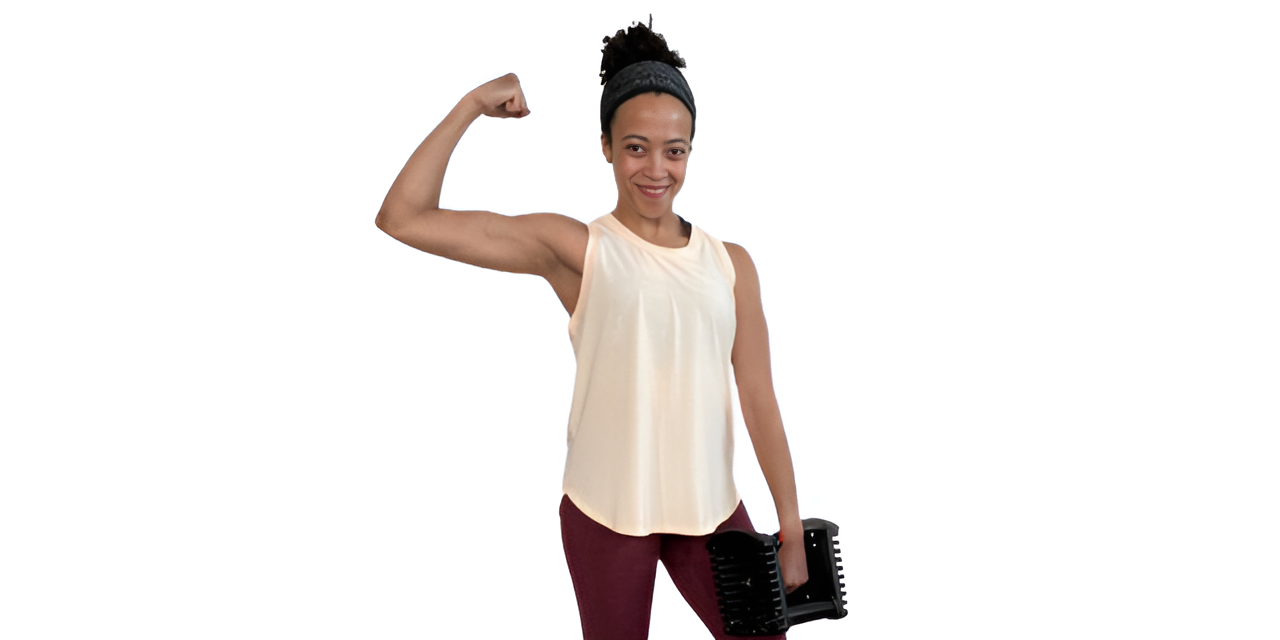
Bring your light and medium weight selections to this strictly strength training, upper body-focused workout. The only (optional) jumping occurs during the warm-up, but the circuit-style training format will keep your breathing and heart rate elevated as you alternate between push and pull exercises in each circuit. Circuit training is a great fit for time-crunched days during which you want to cover multiple muscle groups in a single workout. If properly planned, you can perform several exercises back-to-back with minimal rest between moves, without fully exhausting a particular muscle or group of muscles. There are a total of four circuits in this workout, two of which focus on unilateral movements to challenge your core/balance and provide an extra level of fatigue to muscles recruited in the preceding circuit. Circuit #3 is comprised predominantly of combination exercises, forcing you to rely on similar muscle groups to complete two moves in one. The exercises included in this workout are straightforward; however, the sequencing and formatting of said exercises is what increases the difficulty level of the routine (as well as your weight selections). A few tips to prepare you for this workout: • Overhead presses: be mindful that we are starting with Arnold Presses, a movement that requires full shoulder muscle recruitment. In the circuit that follows, you will complete single-arm Overhead Presses. Don’t be afraid to go with a lighter-than-usual load or adjust your weight choices throughout each circuit for these overhead movement patterns. We are fatiguing the shoulder muscles early in the workout as it pertains to overhead exercises to ensure proper form and minimize exhaustion from other exercises. If your shoulders require extra warming up or light intensity movements prior to lifting, please extend the warm-up with movements that are appropriate for your current training goals and needs. • Push-ups: there are two push-ups variations in this workout, one in Circuit #1 and the other in Circuit #3. You can use a stable, inclined surface to alleviate some of the pressure on your shoulders, chest, and triceps, but if you choose to do so, alter the Sphinx Press-Ups to Up-Downs for a comparable experience. • Tempo: maintain an even tempo throughout each lift except for the Bottom Pause Push-Ups. • Weight selections: I recommend using your medium weight selection for Circuit #1 and #2 and your light weights for Circuit #3 and #4. These recommendations are based on what weight selections should ensure a challenging but doable experience with proper, safe form; however, you should ultimately determine what works best for you. Always remember that the differential between my weight selections is more important than the actual weight itself when guiding you in your own choices. • Take breaks: reset your posture and relieve grip tension as needed! If you are having difficulty making it through at least four reps without a break, decrease your weights, get rid of your weights, or pause the video for an extended break. Challenge yourself, but have fun with this workout! This is a great workout for days when you want to tune in your focus to technique and upper body strength. And yes, I dislike the Sphinx Press-Ups just as much as you do, but they were already written on the filming whiteboards so there was no going back to change them. Workout Warm-Up: 30 sec per exercise, no rest between exercises (7:00) – Jump Rope – Arm Circles – Forwards (both arms at once) – Squat + Torso Rotations (in squat position) – Jumping Jacks – Inchworm + Reverse Fly – Down-Dog + Shoulder Taps (alternating taps) – Double Pulse Running Man ————————————————— – Lateral Taps + Crossbody Reaches – Arm Circles – Backwards (both arms at once) – Squat + Pull-Down – Jumping Jacks + OH Swing – Inchworm + Push-Up – Down-Dog + Lateral Raise (alternating raises) – Running Man Circuit Format: 45 sec on / 15 sec off / 2 rounds (no extra rest between rounds) – My weight selections: medium – 15 lbs. (6.8 kg) / light – 10 lbs. (4.5 kg) OR 8 lbs. (3.6 kg) Circuit #1: One Exercise (medium weights) – Arnold Presses – High Wide Row – Bottom Pause Push-Ups Circuit #2: Single-Arm (medium weights) – Single-Arm Overhead Press – R – Single-Arm Low Row – R – Single-Arm Overhead Press – L – Single-Arm Low Row – L ***Water Break*** Circuit #3: Combination Exercises (light weights) – Hammer Curl + Reverse Fly – Forward Raise + Lateral Raise – Sphinx Press-Ups Circuit #4: Single-Arm (light weights) – Single-Arm Biceps Curl – R – Single-Arm Scaption – R – Single-Arm Biceps Curl – L – Single-Arm Scaption – L Cool-Down: approx. 30 sec per stretch (approx. 5:30) – Shoulder Rolls (forwards and back) – Neck/Traps Stretch – R – Neck/Traps Stretch – L – Alternating Cross-Body Hugs – Chest Opener Stretch – Hug the Tree (rounded spine) – Overhead Triceps Extension Stretch – R – Overhead Triceps Extension Stretch – L – Arms OH – Lats Stretch – R – Arms OH – Lats Stretch – L – Gentle Spinal Twists
Single Weight Upper Body Fitness Health Track
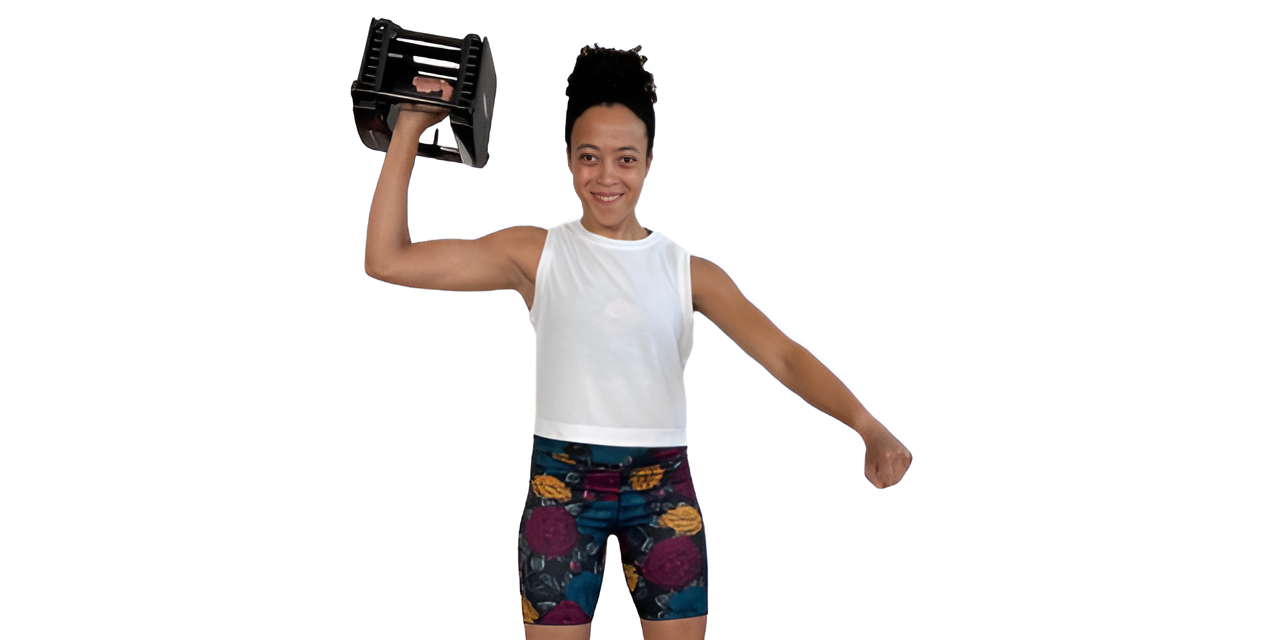
Target the major muscles of the upper body using one weight at a time in this short, single circuit routine. You’re only completing the five-exercise circuit twice so challenge yourself to lift heavy (for you) while paying close attention to muscular imbalances and compensations that often occur with unilateral work. Remember that performance differences between the right and left side of the body are usually not solely derived from strength deficiencies but are also related to inefficient patterns of daily movement done with high repetition. Consider: • How you sit while working, watching tv, and eating — do you maintain an upright, open posture? • Your walking gait — do you swing your arms in tandem with your legs? Cross your arms? • How you initiate most movement — do you use one side of your body more than the other to get moving? To stand up? Just know that there’s no perfect ideal for movement (just generalized guidelines that fit many folks) and that each person’s unique frame, body composition, and existing/pre-existing injuries are all factors that contribute to determining a non-injurious flow of movement for that individual. The key to improving bilateral movement performance is seeking pain-free adaptations and being open to the fact that movement often changes across the lifespan. In this workout, you will complete two moves that involve handing the weight off from one hand to the next (low rows and biceps curls). Brace your core during the transition and keep your shoulders and hips in alignment to minimize twisting and placing unnecessary tension on the lower back. The other three moves in the circuit focus on one arm at a time (overhead presses, biceps curls). For these three exercises, be mindful of maintaining your natural slight hip tuck (core braced) to create a cylinder of support from the transverse abdominus (deep abdominal muscles). If your lower back starts to ache and/or you find the two-foot stance difficult, tighten your abdominal muscles and/or opt for a kickstand position to offset the pressure in the lower back (kickstand = keep the foot on the same side as the weighted arm flat, drag the opposite leg slightly behind you and lift the heel). Tack this workout onto a short lower body, core, or cardio routine or enjoy it as a stand-alone challenge for the day. However you choose to tackle this workout, note that there is a short one-minute finisher at the end involving jumping jacks. The finisher is the only time during the entire workout that you’re gifted with an opportunity to jump — maximize it, revel in it, or omit it. Your choice! Workout Warm-Up: 30 sec per exercise, 2 rounds, no rest between exercises or rounds (4:00) -Arm Circles (freestyle and backstroke) -Squat with Overhead Press -Hinge + Reverse Fly -Inchworm + Forward Raises My weight selections (not a recommendation, just a reference): -Heavy = 20 lbs. (9.1 kg) -Medium = 15 lbs. (6.8 kg) -Light = 12 lbs. (5.4 kg) Upper Body Circuit: 45 sec on / 15 sec off / 2 rounds (Water Break after round 1 and 2) -Low Row (alternating, weight handoff) -Overhead Press: Neutral + Military – R -Overhead Press: Neutral + Military – L -Lateral Raises (alternating, weight handoff) -Rotating Biceps Curl (round 1 = R; round 2 = L) ***Water Break*** (after round 1 and 2) Finisher: 1:00 -3 Jumping Jacks + 1 Snatch/High Pull (alternating snatches/pulls) Cool-Down: approx. 30 sec per stretch (approx. 4:00) -Shoulder Rolls (forward and back) -Crossbody Shoulder Stretch – R -Crossbody Shoulder Stretch – L -Neck/Traps Stretch – R -Neck/Traps Stretch – L -Chest Opener Stretch + Hug the Tree -Spinal Roll Down -Gentle Spinal Twists
Restorative Bodyweight Workout Fitness Health Track
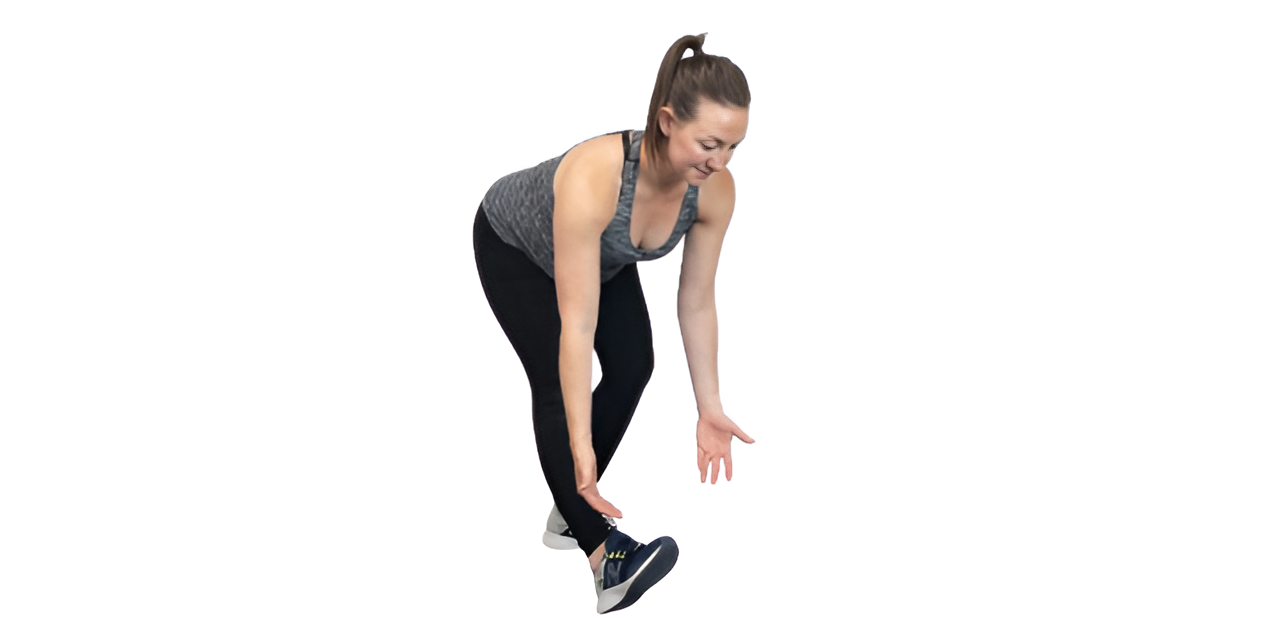
Is today a day you want to get moving but have a case of delayed onset muscle soreness (DOMS)? Or maybe you’re simply in the mood for some low-key and feel-good movement? This routine is the perfect way to accomplish either of those goals. For this workout, I was on a mission to create something that would be a nice treat to your body after a hard workout, or if you’re feeling stiff in general. One of the best ways to ease sore muscles is to move. Nothing strenuous, just simple movement to get your blood circulating. DOMS typically shows up 24-72 hours after a really tough workout, so it’s ideal to plan a recovery workout (like this) somewhere in that window. Don’t try to “muscle through” the pain of muscle soreness. It’s okay — in fact, it can be extremely beneficial — to take a step back. We’ll be pairing a gentle movement series to get the blood flowing with a lengthy deep stretch to loosen everything up. To start, we’ll run through a series of 12 exercises for 50 seconds on, 10 seconds off. These are not meant to be done fast or intense. The goal here is to simply move your body, mobilize your joints, and circulate blood flow in your body. For the second half of the routine, we’ll move through a lengthy, 10-minute stretch series with long holds of 50 seconds each. Take your time with these and focus on breathing into and releasing areas of tension that you have. Also, feel free to freestyle and add in your own stretches that sound great! No warm-up or cool-down is included or needed. Simply press play, dive in, and enjoy this little treat for your body. Thanks for moving with me today! Nicole Printable Workout Gentle Movement Series (12:00): 1 round, 50 seconds on, 10 seconds off March in Place Cross Reaches Overhead Reach to Stepback, alternating Hamstring Scoops Good Morning + Torso Rotation Curtsy Step + Overhead Reach Side Shifting Lunges Toe Reach to Squat Windmill Squat Walk to Single Leg Balance Child’s Pose to Down Dog Thread the Needle, alternating Stretch Series (10:00): 12 stretches; 50 seconds each Inhale to Wide-Legged Forward Fold Wide-Legged Hamstring Stretch, R/L Half Kneeling Hip Stretch – R Single Leg Hamstring Stretch – R Pigeon – R Half Kneeling Hip Stretch – L Single Leg Hamstring Stretch – L Pigeon – L Tall Kneeling Overhead Reaches, alternating Chest Opener Down Dog w/ Foot Pedal Child’s Pose – R, L, C
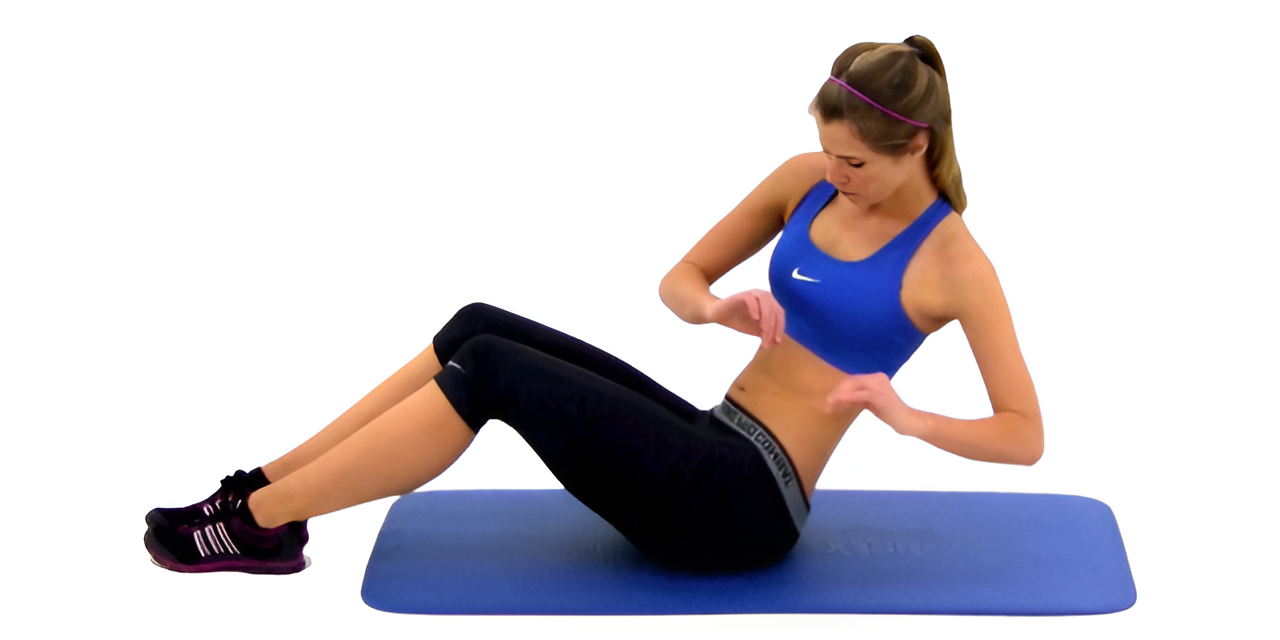
Upper and Lower Back Workout — At Home Back Exercises to Tone & Strengthen Fitness Health Track
Far too many people focus on abdominal work, and then completely neglect the complementary back muscles. Aside from all of the superficial benefits in regularly training this particular aspect of your core, strengthening your back muscles can play a huge role in warding off lumbar pain, stiffness, and injury. Make sure that you warm up before jumping right into this home workout video with at least 5 minutes of light cardio. Back Bows – This Pilates exercise is a great way to use your own bodyweight to tone your upper and lower back. As an added bonus, lifting your legs up off of the ground, along with that upper body, ends up toning your obliques, glutes, and hamstrings as well. Russian Twists – Doing the twisting motion at an angle engages your entire core; obliques, abdominals, and general lumbar region. You can easily make this more challenging by holding onto a dumbbell through the motion, or by lifting your feet up off of the ground and balancing on your tailbone. Pilates Swimmers – While the primary benefit of is that these are a low impact way to engage both the lower and upper back simultaneously, these actually end up being a total body exercise. It might take a few awkward motions before you get your arms and legs in synch, so don’t get frustrated if you take an extra few seconds to get your upper & lower body coordinated. Make sure that you use smooth, controlled motions and never jerk in order to get more range of motion as this can increase the likelihood of injury. Roll Downs – Standing tall with a light pair of dumbbells, roll your upper body down towards the ground as far as you can before uncurling as you come back up. Make sure to roll shoulders forward and focus on “rolling” your back down downwards, keeping your chest and shoulders relatively close to your thighs. As long as you choose a light weight, this is great for your lower back. Kneeling Supermans – This is a low impact back exercise that feels great as a sort of a partial stretch. Make sure and squeeze at the top of each motion in order to get the most toning from the movement – not only in the upper and lower back, but also in the glutes. Reverse Fly – For this motion that targets the rhomboids of the upper back, keep your back flat and a slight bend in your knees. Aim to get your arms just above the level of your chest, with your hands roughly out at the level of your ears. If you don’t have dumbbells, don’t let that stop you; you can always use resistance bands, water bottles, or cans of soup. Physio Ball Back Extensions – For this one, you will need an open wall in order to steady your feet as an anchor to complete the extensions over the ball. Make sure to get as full a range of motion as you can by wrapping forward over the Physioball as far as you comfortably can before raising back upward. Controlled, slow motions should be your priority with this movement. Medicine Ball Pendulum Swing – Keep your back and legs straight for this motion, rotating very slowly in order to fully engage the back and obliques. This should not literally be a “swing”; you should be in full control of the movement through the entire range of motion – do not use momentum. If you don’t have a medicine ball, a dumbbell works just as well. Make sure that you stretch thoroughly after this workout. Though the key muscle groups in this workout are the lower & upper back, most of the exercises are dynamic enough that they end up incorporating many other muscles, bumping up the calorie burn a bit; we estimate that this routine burns 165-210 calories total.
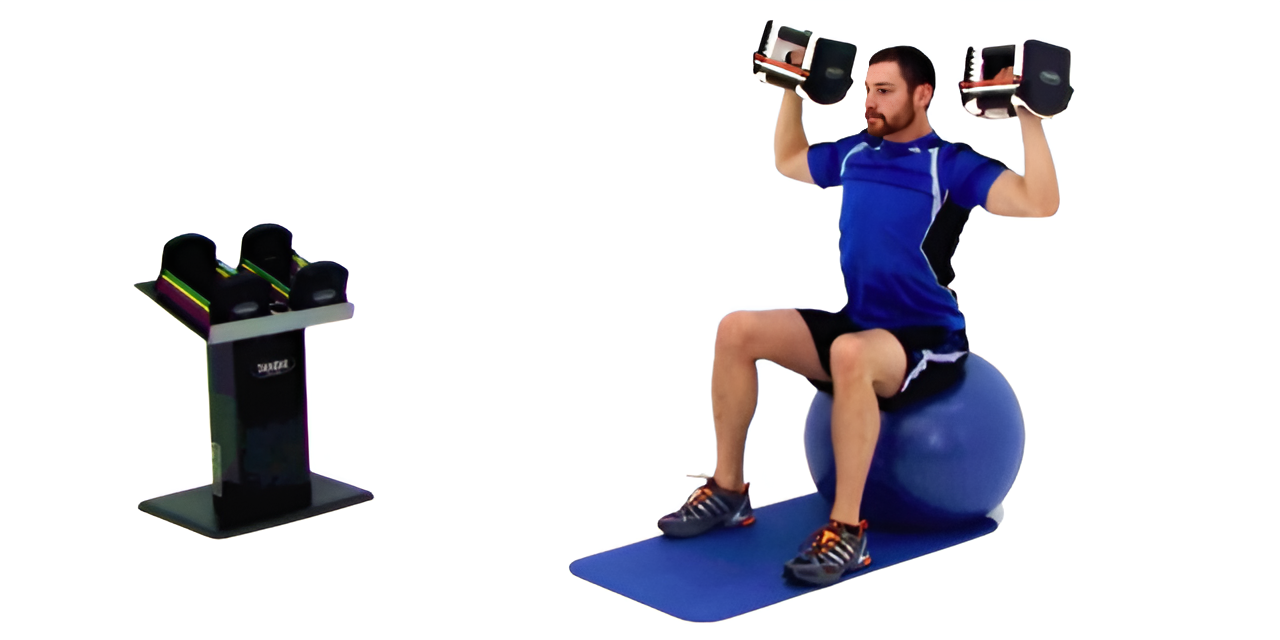
Upper Body Dumbbell Workout 28 Minute Weight Training Routine | Fitness Blender Fitness Health Track
This routine uses a Push-Pull method, meaning that each pair of exercises uses the same body part & motion, but opposing muscle groups to complete the movement. A weight training routine like this one is appropriate for any fitness level; you get to choose the difficulty and how much effort you put forth when you choose the amount of weight that you are lifting. You will do 12 repetitions of each set of exercises, back and forth until you have done three sets through. In this routine we use an adjustable set of dumbbells. You don’t have to have an adjustable dumbbell set, but you will need a variety of weights in order to get the most benefit from this routine. You will also need a physioball or bench in order to complete many of these exercises. Exercises in this routine: Chest Press: Primarily targeting the pectoralis major, the triceps, front deltoid, coracobrachialis and trapezius also have to pitch in. Tripod Row: The main focus of this motion is the rhomboid. The biceps, and rear deltoid are assisting muscles. Overhead Press: These predominately target the deltoids, triceps, and trapezoids. Dumbbell Pullovers: Principle muscles of this exercise are the lattisimus dorsi, pectoralis major and minor, deltoids, rhomboids, and triceps. Curls – Biceps are the most important contributing muscle to this movement but they aren’t the only ones at work. The wrist flexors, scapulae, trapezius, and front deltoid all must work as stabilizers in order to complete the action. Overhead Triceps Extension: This is an awesome exercise for the triceps. Other muscles worked include the deltoids and trapezius. Wrist Flexion: These help build strength around a range of motion so that as you move on to heavier weights in your lifting routines, your wrists can still stabilize and control it. Wrist Extension: The opposing exercise to the movement above, this also helps to build strength and stability in the wrists. This is essential to being able to increase your lift weight and therefore strength and muscle mass in larger muscle groups. Because of the focus on antagonistic muscle groups and the comprehensive muscles used, this is a very well rounded upper body dumbbell workout. In order to get the most from this strength training routine, you need to be very diligent about maintaining proper form throughout all of the exercises. Some of the simplest exercises can be incredibly effective when proper form is made priority. For example, Bicep Curls are a great exercise, but only when executed properly. You will get better results when you use a low weight with proper form, than you will when you increase the weight you are lifting, but with lousy form. Along with being meticulous about your form, you should also be especially assiduous about not using momentum to complete any of the exercises. You’ve probably seen the people at the gym “lifting” an amount of weight that might be impressive….if only they weren’t using purely the momentum of the swinging & flailing of their limbs to complete the motions. Use smooth and controlled movements in order to make your muscles work harder. As always, make sure and do about 10 minutes of some kind of warm up activity before you jump right into any heavy lifting. Stretch when you are finished to help ward off any severe muscle soreness the next day, and be sure and give those muscles a chance to heal if they are sore after a workout.
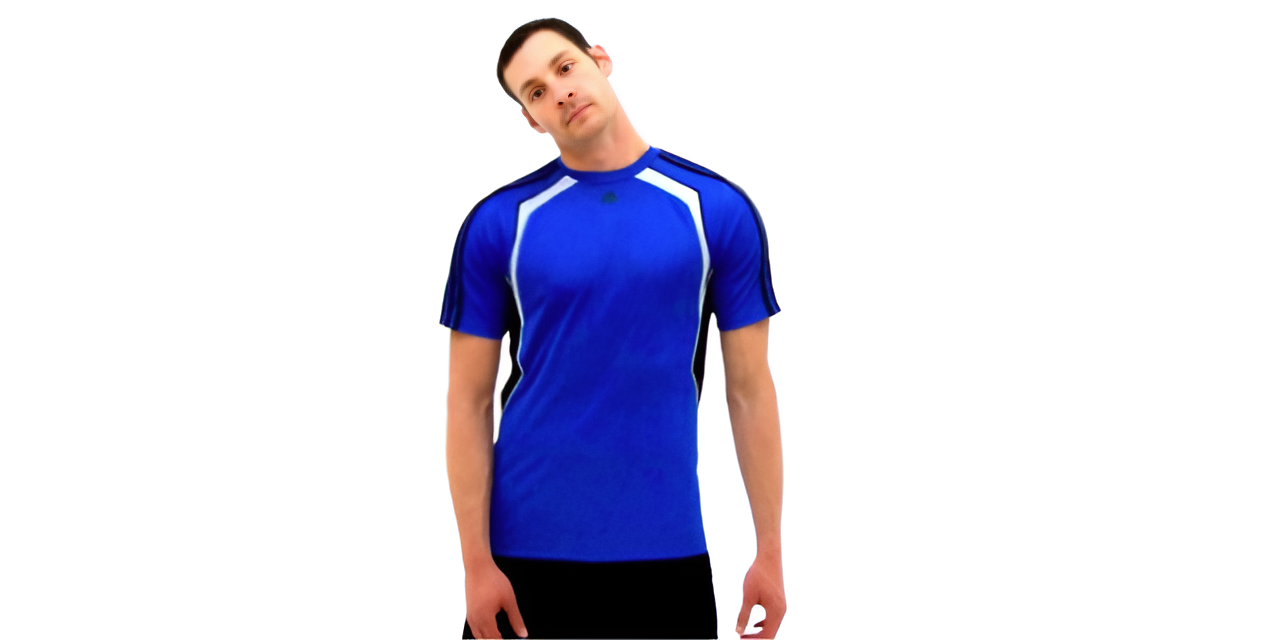
Upper Body Stretching Routine Fitness Health Track
Maintaining muscle elasticity and flexibility is a major indicator of quality of life as you age. It’s not just for the elderly, though; it is imperative for those who enjoy active lives to take a proactive approach in working to preserve their flexibility in order to be able to keep doing the physical activities that they enjoy the most. Having a inflexible neck or stiff upper body can cause mobility issues, headaches, dizziness, and many other uncomfortable physical issues. These upper body and neck stretches are ideal for everyone between the ages of 5 and 135. They work well for people just getting back onto the fitness scene, and they would provide just as much benefit to gym veterans. These moves also accommodate individuals of all sorts; from runners to heavy lifters, couch potatoes to competitive athletes. There are eight different upper body and neck stretches in this 11 minute video. You can do this stretching routine as a stand alone activity or you can do it after you complete a workout. If you have been feeling particularly tight or struggling with a stiff neck or upper body, you can easily follow along with this video 2-3 times a day until you start feeling better. While you do these gentle stretches, don’t be surprised if you start to hear things pop as your alignment finds it’s way back to it’s proper place. When it comes to stretching, whether you have any existing discomfort or not, you should never, ever use force to complete a movement. Use slow, controlled motions and never use jerking or bouncing motions in order to squeeze any extra range of motion out of any given movement. Here’s a bit about each of the exercises in this flexibility routine: 3 Point Neck Stretch – This progressive neck exercise is fantastic for loosening up sore muscles and helping ward off heachaches and muscle spasms. Listen to the verbal cues of the stretching video in order to know when to change positions. Overhead Tricep and Shoulder Stretch – You will feel this in shoulder joint, and in the back of your arm (tricep muscle), from the shoulder joint to the elbow. Forearm and Finger Stretch – This is effective for tension throughout the palm of your hand and your forearm. Move your fingers and thumb throughout the hold in order to vary the specific muscles being engaged. Overhead Chest & Lat Stretch – With the help of a wall, this is excellent for the muscles around the chest, shoulder socket, and ribcage. Standing Chest against Wall – You will feel this across your chest, in your forearms, and within your bicep muscles. This one feels great as it opens up your chest very thoroughly and helps relieve any tension that you feel you might be carrying across your shoulders. Arm Cross Rhomboid Stretch – This one helps increase or maintain shoulder mobility. You will feel this move primarily in the upper back and in the rear deltoids. Torso Rotation – Years of sedentary habits or sitting at a desk eat away at the flexibility of your midsection, causing a slew of related health problems and physical limitations. This move can help improve your torso flexibility. Lateral Bends with Reach – You will feel this move from the top of your hip, up the sides of your body as far up to your armpit. You should always talk to your doctor before jumping into any exercise or workout program, especially if you have any existing pain or injuries to work around. With that said, and with doctor approval, this upper body stretching routine can help you gain back flexibility and help lessen the likelihood of any future discomfort.
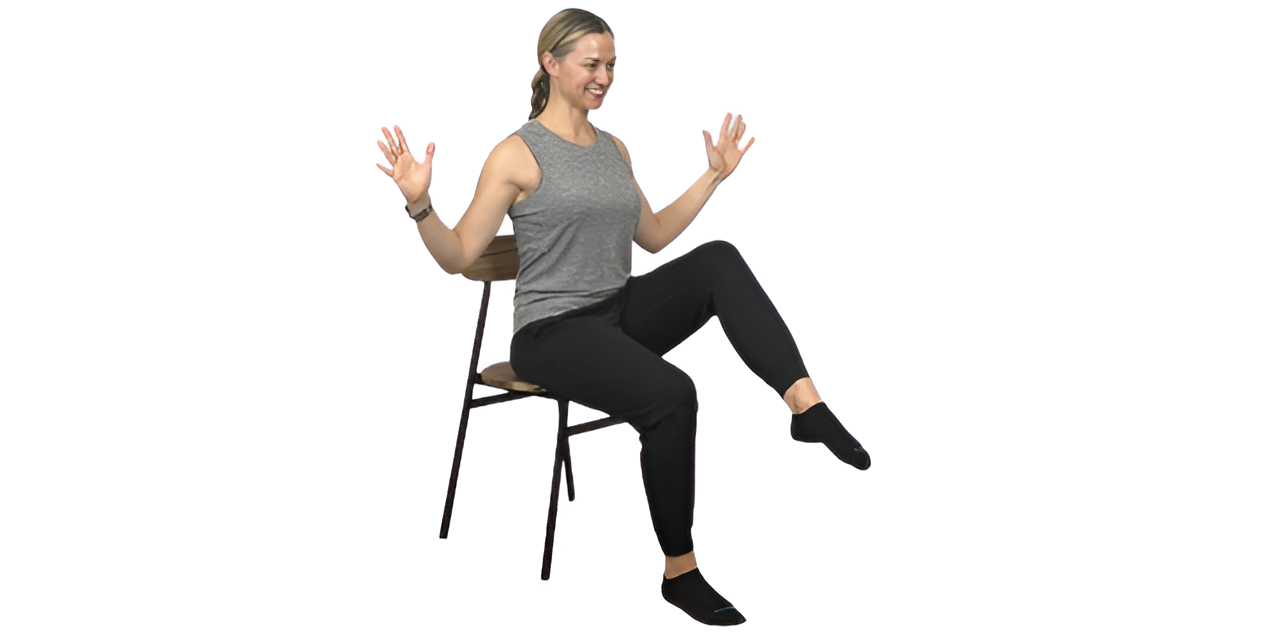
Seated Strength and Cardio Fitness Health Track
This workout brings a little something different than many of our other workouts. All exercises (but one) take place seated in a chair! That’s right: we will work on lower body strength with a bit of cardio — all while sitting down. **Workout Highlights** • 17 minutes, 2/5 difficulty • 40 seconds on // 10 seconds off • 18 exercises, no repeats • Modifications included — scroll down for more • No warm-up or cool-down, so plan accordingly • Towel roll — I used a beach towel, but you can use a hand towel, bath towel, sweatshirt, etc. I created this routine to empower those who have difficulty performing standing exercises, want a lower level of activity, or need an active rest day. Each exercise is performed for 40 seconds and followed by a 10-second rest break. This is a quick standalone workout, so there is no warm-up or cool-down. Only one exercise requires you to stand (Sit-to-Stands), but it is only for a brief moment. That said, if you have difficulty with balance, I recommend doing this routine near a countertop so you have something sturdy to hold on to during the sit-to-stand exercise. During this workout, I talk about your self-selected pace, particularly with the cardio-type exercises. That means you choose how fast or slow you move. If you have cuff weights, you could strap those onto your ankles for an added challenge. There might be a few exercises where you have difficulty lifting or straightening your leg. That could be for two reasons: weakness in your quad muscle (top of the thigh) or tightness in your hamstring muscle (back of your thigh). Either can get better over time with practice and determination. However, I want you to make sure not to compromise your form just to lift or straighten your leg a little higher. Only move your leg as high as you can keep your trunk still, spine straight, and chest up. Engaging your lower and upper abdominals to connect your ribs to your hips can help. The Workout 40 seconds on // 10 seconds off • Marches • Knee Extensions – R • Knee Extensions – L • Step Out and Reach • Hamstring Curl – R • Hamstring Curl – L • Opposite Elbow to Opposite Knee • Chopping Up – R • Chopping Up – L • Marches with Arms • Hip Adduction • Sit-to-Stands • Quick Feet • Straight Leg Raise Flexion – R • Straight Leg Raise Flexion – L • Floor to Ceiling Punches • Hip Abduction – R • Hip Abduction – L I hope you enjoyed this routine! Thanks for working out with me. Happy Exercising!
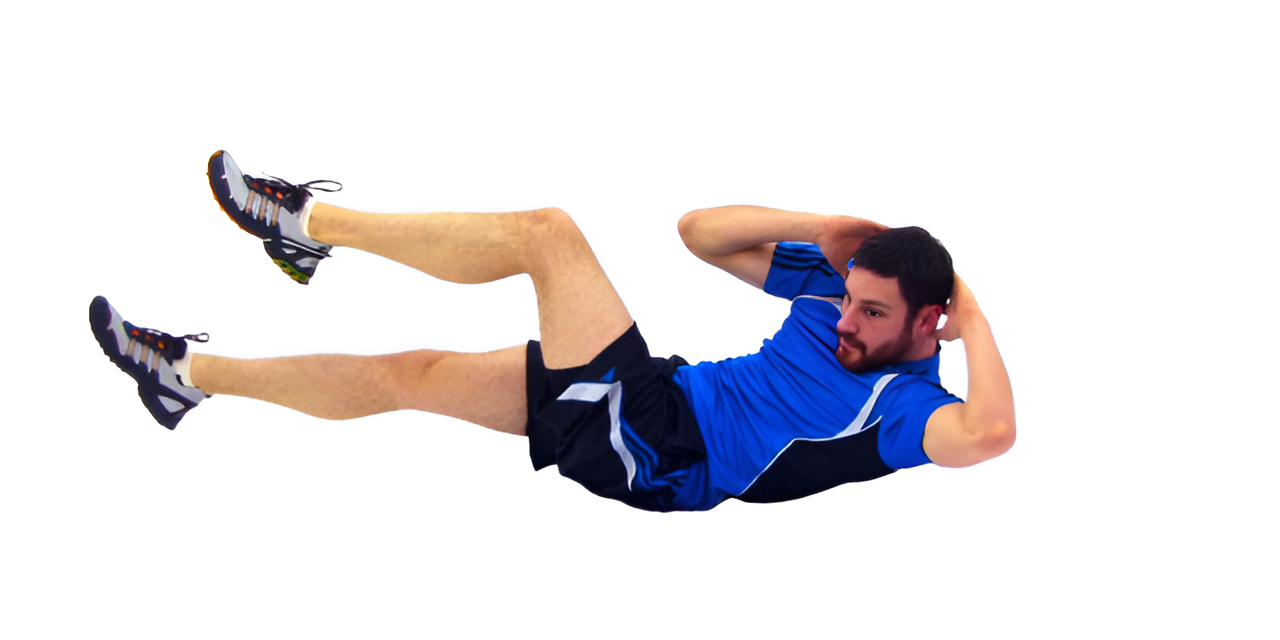
8 Minute Abs Workout Routine At Home Core Exercises Fitness Health Track
For this routine, we have seven different core exercises that pull together to make a short, but very effective 8 minute abs workout. This is great for pairing with a cardio routine. Exercises in this video: Supine Side Crunches – These are a great way to tone the obliques, which can help lead to a slimmer waistline (in conjunction with a healthy diet, of course). Make sure that you focus on keeping your arms and legs fully extended and really concentrate on feeling that crunch on each side of your body as you move back and forth. Reclined Oblique Crunches – Your entire core has to pitch in to pull this motion off; your lower abs are engaged in order to keep your legs up in the air, and your upper abs and obliques are put to work as you crunch up and over to the opposite side of your body. If this version is too hard, look under “Core” Exercise videos in order to find several different modifications that are easier. Repeat on each side of the body. Side Hip Raises – There are multiple different difficulty levels of this exercise; to make it easier, do the side raises from a plank position from your knees and forearm (keeping a straight line from your shoulder to your hip). You will feel these in your obliques. Repeat on each side of the body. Back Bow Crossovers – You don’t want to work the front of the core intensely and then ignore the antagonist back muscles. These are great for toning the lower back and they also incorporate the glute, oblique, and hamstring muscles. You don’t have to have a yoga block; you can use anything that you can set in front of you while doing the movement in order to serve as a marker or reminder of what range of motion you are supposed to be doing (up and over from side to side). Russian Twist – This is another move that is very effective at engaging the entire core. You can very easily modify this move to make it easier or harder; if you need a less demanding exercise, keep your feet resting on the ground as you rotate your shoulders back and forth. If you want it to be more challenging, lift your feet off of the ground (as shown in the video) and hold onto a weight as you twist from side to side. Either variation that you choose, make sure that you aim to get the most range of motion out of each twist (within your own flexibility limits) and keep your back flat the entire time. Crisscross Crunches – Form is very important with these; make sure that your knee never comes in further than your hip joint. Coming in past that point makes it easier on your core muscles, which makes the move less effective. If you are mindful of this detail, the exercise will feel quite a lot harder. Toe Touch Crunch – Aim for as much upward movement in this crunch as your strength allows. This one is basic and effective. Fitness Health Track’s 8 Minute Abs Workout Routine burns roughly 65-95 calories. Remember that it is absolutely essential to adjust your diet if you ever want to see the evidence of all that abdominal training show up on your midsection. If you have a less than ideal body fat percentage, you are not likely to see any definition in your abs, no matter how many sit up variations you do. Ditch the refined foods and sugary drinks for vegetables, fruits, whole grains and lean protein and you will notice a significant difference in your body fat percentage, the way that you feel, and possibly the number on the scale.
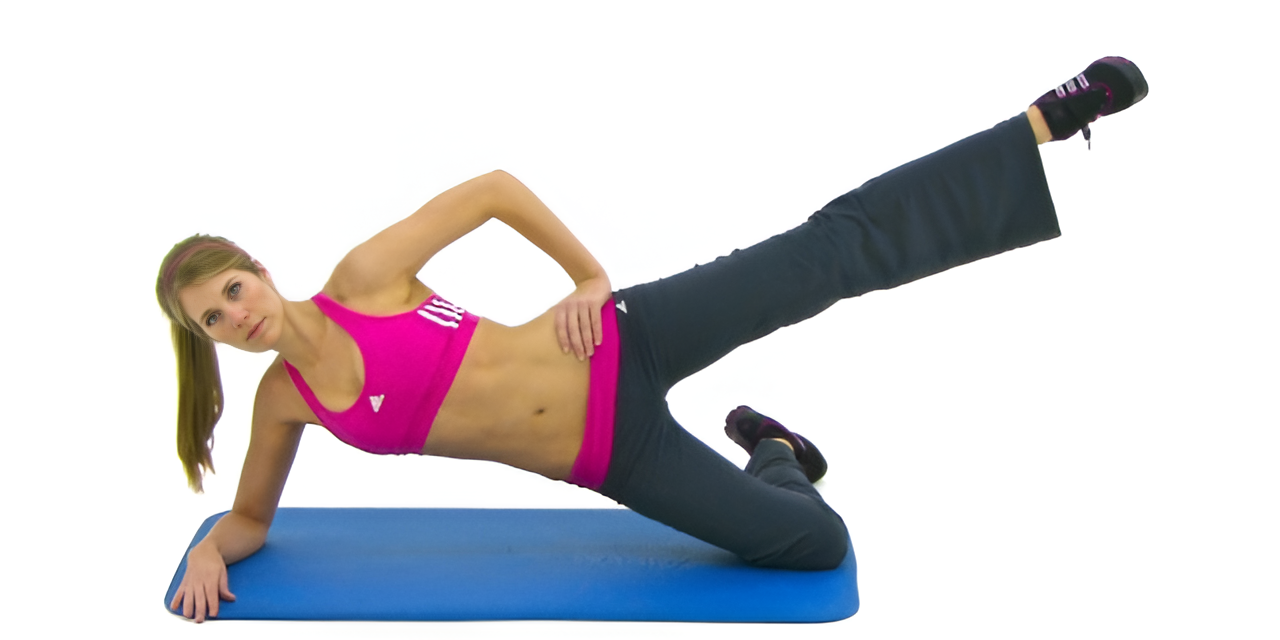
Leg Slimming Pilates Butt and Thigh Workout Fitness Health Track
This Pilates workout video for the butt and thighs is very effective at toning the lower body and building functional strength and balance throughout the core, hips, and pelvis. For an example of the difference between exercises that slim legs and those that might build mass, consider lunges. Lunges require you to tax one leg at a time with the majority of your bodyweight. Even for the slightest person, bodyweight is a significant amount of weight for one leg, which can overtime build (strong, athletic, functional) muscles in the lower body. If that doesn’t happen to be one of your goals, these Pilates butt and thigh exercises are a great low resistance way to tone legs and build lean muscle because none of them have you maneuvering any significant amount of bodyweight. Do keep in mind that lean muscle mass is what gives you the advantage of a faster resting metabolism – don’t avoid building muscle. This routine is fantastic because of how comprehensively the exercises work your lower body. By the time you’ve finished the workout video, you will have used multiple approaches to target your glutes, inside and outside thighs, hamstrings, quadriceps, and calves. Another benefit to this Pilates workout video is that the moves engage much more than just the obvious muscle groups. In addition to toning the lower body, you’ll also be using your abdominals, obliques, hip flexors and lower back. Aside from the toning benefits, Pilates also offers the advantage of building a strong foundation, increasing flexibility and overall body awareness. Do this lower body workout routine up to three or four times a week, taking more time off in between if muscles are still sore. Do at least 5 minutes of warm up cardio before starting the routine in order to warm up muscles and increase range of motion, and be sure to cool down and stretch once you’re done. Once you are familiar with the video, feel free to turn down the volume of our narration & turn on your own music. Printable Pilates Workout – 14 Reps each in an ABAB format Outside Leg Lift (right leg) Outside Leg Lift (left leg) Inside Leg Lift (right leg) Inside Leg Lift (left leg) Rear Leg Raise + Pulses (left leg) Rear Leg Raise + Pulses (right leg) Scissor Kick Flutter Kick Shoulder Bridge Heel Taps
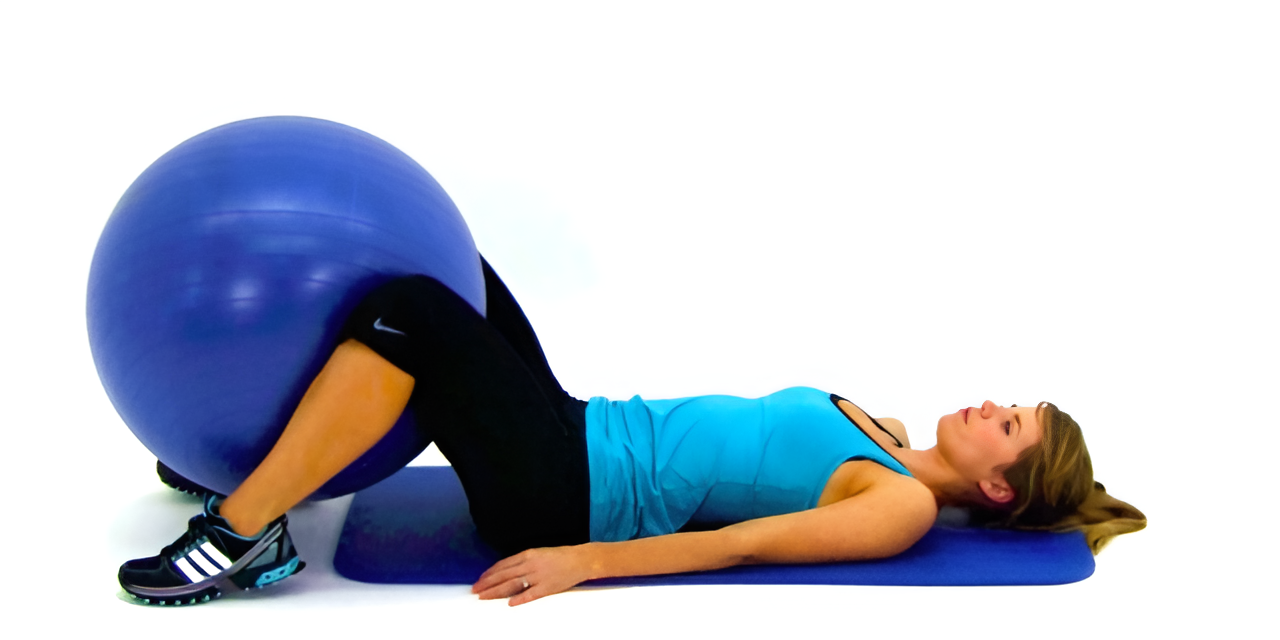
Total Body Exercise Ball Workout 10 Minute Physioball Routine Fitness Health Track
All you need for this routine is a physioball. In just 10 minute, this video briefly engages all major muscle groups & helps you make the most of your time with a maximally effective & comprehensive workout. This exercise ball workout has nine different moves for 45 seconds apiece. In between each exercise, you will be shown a demonstration of the next exercise; this 10 second interval will serve as a short break before you jump into the next active segment. Make sure that you do a quick cardio warm up (5-10 minutes) to get those muscles ready to work. Hamstring Curls – Lie on your back, place the heels of your feet on the physioball, and then draw your feet in towards & under your butt. You will feel this primarily in the backs of your thighs (the hamstrings), and your glutes, though your triceps, lower back, and shoulders also work to help stabilize your body. Pushups – Balance on the ball at mid thigh with your hands on the ground and do a push up. If you want to make this harder, move the placement more towards your feet; situate it higher up on your body in order to make it less challenging. Crunches – Sit on the ball and slowly lean back until you are parallel with the ground, rolling it so that it is positioned in the curve of the lower back. Do a basic crunch, except with a more full range of motion; because of the exercise ball, you can extend your back further on the downward part of the crunch. Focus on not letting the your hips move at all. Wall Squats – Stand 1-2 feet away with your back towards a wall, holding the physioball between the small of your back and the wall. Drop into a basic squat. Inner Thigh Squeezes – Place the physioball between your knees and squeeze. Relax and then repeat. This is a very small range of motion. Engage your core in order to use even more muscles and bump up your calorie burn. Back Extension – Prop your feet against a wall with the ball up against your thighs; push out so that your weight and torso is balancing on the ball. Use your feet as an anchor and wrap forward & over the top, and then straighten yourself back up to the starting position. Tricep Pushup – Use the same starting position as you did for the regular pushups above, but this time keep your elbows squeeze in towards your sides and your hands planted directly beneath your shoulders. Remember, you can make this one more or less difficult by changing the placement of the exercise ball under your body (closer to your shoulders is easier, towards your feet will be harder). Abductor Lifts – Prop yourself up on one side, leaning over onto the physioball. The bottom leg will be your contact with the ground & what balances you while you lift the outside thigh upwards. Make sure that you don’t use momentum in order to get that leg upwards as you could end up straining muscles or at least minimize the effectiveness of the move. Focus on pulling in your bellybutton through the entire 45 seconds and you will get a bit of an extra toning benefit. You will repeat this on both sides of the body. These kinds of quick workouts are awesome for toning up and burning calories, despite a schedule that is jammed packed. When you’re finished with this routine, reward yourself with a quick stretch on the physioball by positioning it in the small of your back (as you did during the crunches) and rounding over it so that you feel a nice total body stretch, moving your arms around and extending them over your body to incorporate the upper body, as well.
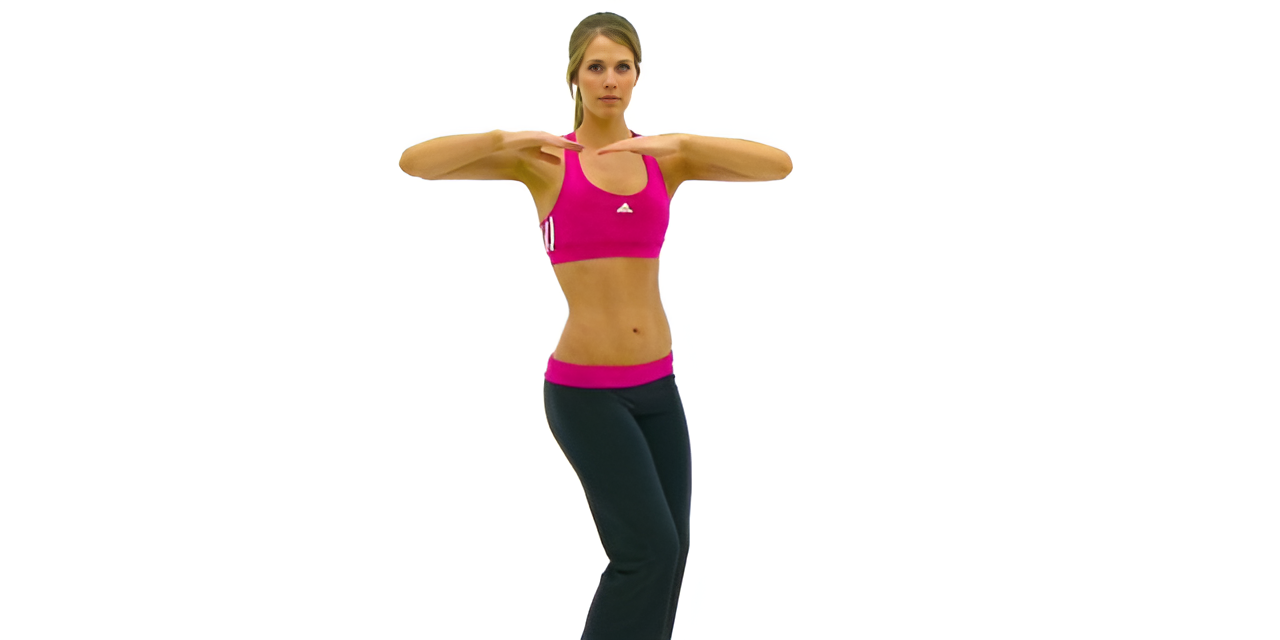
Standing Abs Exercises 10 Minute Standing Abs Workout Fitness Health Track
A standing abs workout is a great starting place for people who are looking to build core strength. These exercises emulate many abdominal exercises where you are lying flat out on your back, but because you are standing the leverage is different and the movements are easier. There are six different standing abs exercises in this video; you will do each movement for approximately 45 seconds. There is a ten second demo of each exercise before the active interval begins – this will serve to explain & prepare you for the next move, and give you a short break to rest. Exercises in this routine: Standing Pike Crunch – Stand upright with feet together. Lift both arms in the air & bring them down to waist-level where they meet with one foot, lifted up as high as you can – without using momentum to swing it upwards and without pain. Stick with just one leg throughout the entire 45 second interval and then switch to lift the opposite leg in the next segment. This requires a crunch at the torso, and work from your core in order to maintain balance as you lift that single leg up and teeter on one foot. Captain Morgan Diagonal Pass – This exercise is great for improving your balance, engaging your hip flexor, lower abdominals, and obliques. Any time you put demand on your core to maintain balance, you’re going to be using a comprehensive set of muscles in a functional way that imitates everyday life activities. Because of that, the benefits of this exercise go far beyond just toning your core. Do all repetitions on just one side of the body, and then switch to the opposite side for the next 45 second interval. Jumping oblique twist – This one raises your heart rate and calorie burn, all while engaging your obliques. You will also feel this one in your thighs and glutes. If you need to stop and take a break, do it, but make sure that you get right back to the exercise as soon as your lungs allow. Torso Rotations – You might feel a bit silly while you’re doing this but it works the entire core very well, especially for a standing abs exercise. While you are rounding forward, your back muscles are working; when you lean backwards, the front of your core engages in order to keep you from toppling over. High Knee Chops – Bump up the caloric burn of this one by adding a hopping motion in between elbow to knee connections. For this one, you should imagine bringing something at about your shoulder level down to the knee of the opposite side of your body. Waist Pinchers – Turn the left leg’s toes out, and then bring that left knee up to your left elbow. You will feel this primarily in your obliques, however, your core also has to maintain steadiness, and so it has to do its fair share as well. Once you are familiar with this routine and feel as if the exercises are easy, move onto one of Fitness Health Track’s other core workouts.