Workouts Library
Premium training sessions guided by elite coaches for maximum physical conditioning
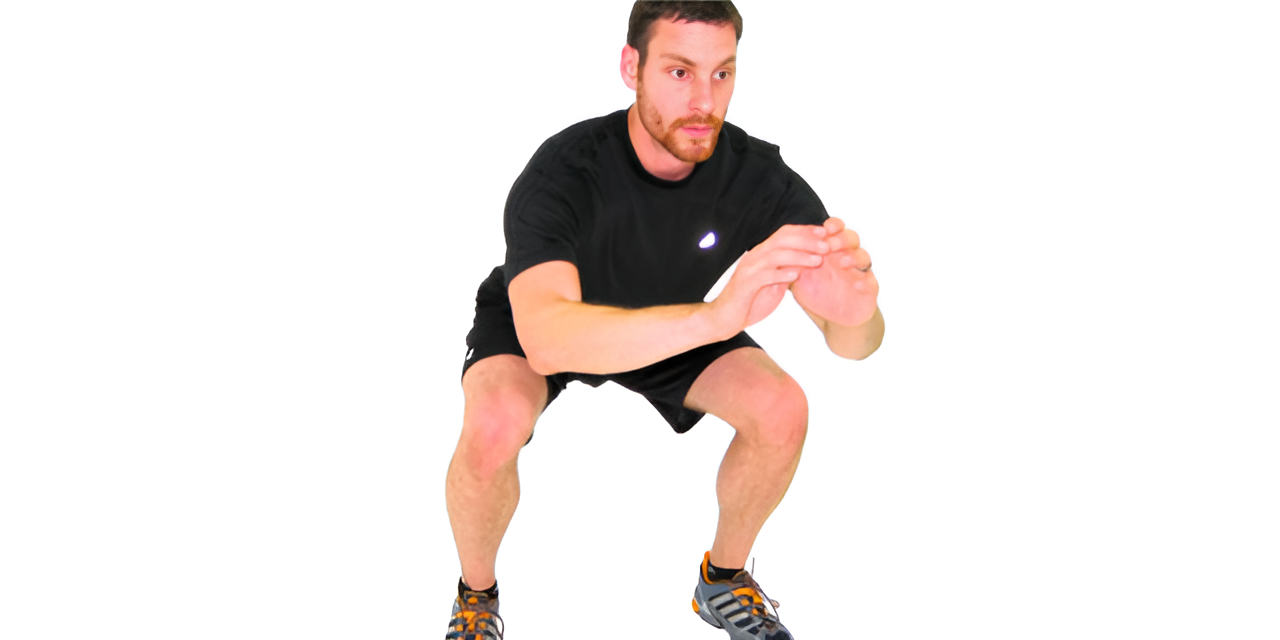
Sports Endurance Workout Stamina, Speed, and Agility Workout Fitness Health Track
Athleticism is a combination of speed, endurance, and agility. All of the exercises in this Sports Endurance & Agility Workout support the ability to move quickly, move with precision, and outlast an opponent. Nearly all of the moves that make up this routine employ the principles of plyometric training, which can help speed/shorten the reaction time of the muscles in the body. Plyometrics can also be great for challenging cardiovascular endurance, especially ones like Burpees, Mountain Climbers and Jumping Lunges – incredibly effective exercises that everyone loves to hate. Soccer, basketball, volleyball, football, trail running and rugby are just a few of the kinds of sports that have players that would benefit immensely from Fitness Health Tracker’s Endurance & Agility Workout. With that said, even if you are not into sports this workout should be of interest to you. Improved balance, cardiovascular threshold, and agility are qualities that should be of interest to anyone who wants to improve their fitness and mobility. As an added bonus, the agility exercises in this routine are also cardio exercises that burn a good deal of calories. Routine Structure: 8 Exercises 16 Repetitions Each 2 Rounds This workout does not include a warm up or cool down, but both are recommended. You can find many options for both Cool Down and Warm Up videos under our Full Length Workout Videos tab. Plyometric Agility Exercises 16 Single Leg Lateral Hops (on each leg) – Build strength and stability through the outside thigh, hip, ankle and knee joint, all while you get your heart rate up. 16 Squat Jumps – Aside from burning a tremendous amount of calories & pushing your lungs to their maximum (in high reps), this lower body exercise is excellent for building explosive strength and speed in the legs. 16 Single Leg Ventral Hops (on each leg) – Learn to maintain control over the direction that your body is going, even while you don’t have a centered balance. 16 Burpees – Burpees are often despised but they are also incredibly effective. It’s an awesome bodyweight exercise that leaves very few muscles not screaming. 16 Lateral Jumps – Another cardiovascular move that lessens the chance of joint injuries by strengthening the muscles that surround and support them. 16 Jumping Lunges (alternating) – Glutes, thighs, abs, calves all pitch in for this one. These hurt, but it’s better that you burn out your lungs and legs while working out alone in your living room, than when you are face to face with an opponent. 16 Agility Dots (each leg, each direction) – These are great for building up the ankle and knee complex. This will help in improving speed of direction changes on the court or field and make it less likely that you roll an ankle while you’re at it. 16 Mountain Climbers – A bodyweight cardio workout that tones the arms, abs, quads, glutes, and hamstrings. Remember to cool down and stretch when you are finished. During the off season, do this workout a few times a week in combination with Fitness Health Tracker’s cardio and strength training workouts in order to improve your performance for your sport. Once you are back to your sport full time you should still aim to do this 1-2 times a week in order to maintain the gains that you made. Calories burned We estimate that this workout burns between 8-13 calories per minute, or 112-182 total. You could always increase the challenge and the calorie burn by wearing a weighted vest while you do the workout.
Functional Upper Body Strength Workout Dynamic Irregular Strength Training Fitness Health Track
Everyone knows that traditional strength training can get a bit boring sometimes and its not just your conscious brain that gets bored either. Your muscles and your subconscious brain gets bored as well. Don’t get me wrong, slow and steady, 3 sets per, strength training is an amazing tool to use when building strength, bone density, or just straight mass, but keeping your brain engaged is one of the most important parts to properly contracting the muscles you are trying to focus on and trying to force you body to not contract the ones that should not be (but try to anyway). This routine is designed to help keep you from being bored all the way around. Though it can be used to build strength, bone density, mass etc. it’s primary goal is to wake up the brain body connection and get you to really have to focus on control. Your body will easily fall into a rut in fact every system in your body loves routine. The longer it does something in a specific way on a specific schedule the more efficient it becomes at that thing. But that can be a bad thing as well. If you become too complacent in your training style for example you will stop making progress as you body wants to find an equilibrium. Have you ever found yourself “hitting a wall” with your training, basically no longer seeing progress even though you are still exercising? That is the body is built in complacency. To get around this you have to change things up different training style, different levels of intensity, or even just taking a break for a few weeks. This change in training is exactly what this routine is about. Doing the same movements you have done before but in a completely new way to wake your brain up and shake your body out of its routine. So, try this routine out and see how much more challenging a familiar movement is with just slight changes like using your limbs in an alternating fashion rather than simultaneously. This type of routine might just be the key to snapping you out of your workout rut. As always we would love to hear what you thought of the routine so please leave us a message in the comment section below. Workout Structure: – 2 Sections of 4 Exercises – AB, AB pattern for 3 Sets – Intervals of 45 Sec On, 15 Sec Rest/Prep Equipment: – Dumbbells – Bench (Optional) Warm Up / Cooldown: – Both Included Workout: Warm Up: (5 min; 30 sec each) – Wrist Rolls – Shoulder Shrug Circles – Alternating Side Bend and Reach – Squat Push Pull – Deadlift Overhead Push Pull – Big Arm Circles – Torso Circles – Squatted Torso Twists – Boxer Shuffle – Up and Out Jacks Strength: (24 min; 45 sec on, 15 off) – Alternating Chest Fly – Alternating Reverse Fly – Alternating Lateral Raises – Alternating Dumbbell Pullovers —– Water Break —– – Alternating Hammer Curl – Alternating Bent Over Tricep Extensions – Alternating Shoulder Shrug – Alternating Front Raise (Palm Up) Cool Down: (6 min; 30 sec each) – Arm Cross Stretch (Left) – Arm Cross Stretch (Right) – Overhead Tricep Stretch (Left) – Overhead Tricep Stretch (Right) – Wall Chest Stretch (Left) – Wall Chest Stretch (Right) – Wall Overhead Arm Stretch – Toe Touch Behind Back Arm Stretch – Wrist Stretch (Left) – Wrist Stretch (Right) – Cobra – Shell
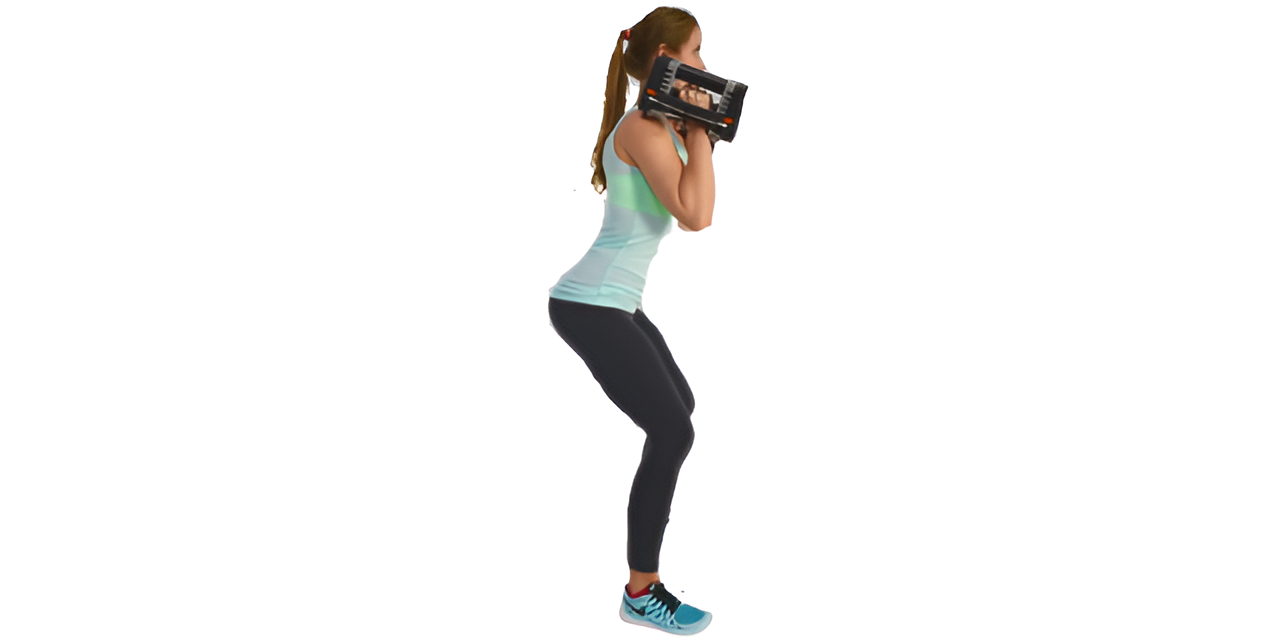
Total Body Strength Training with Dumbbells Challenging Dynamic Superset Workout Fitness Health Track
Total body strength workouts like this are one of my favorite ways to workout – it’s really a tie between dynamic supersets like these and high intensity interval training. Combining both upper and lower body strength exercises make your body and your brain work harder. Not only do you get a higher calorie burn & both muscle groups hit in a shorter amount of time, you also put more demand on your coordination and balance. The only slight drawback to a workout that combines such a varied group of muscles is that the amount of weight you’re lifting is going to be determined and limited by your weakest muscle group relative to each set. For example, if your legs are much stronger than your upper body, you will be lifting lighter than you normally would when you combine a squat and an overhead press. That “slight drawback” is cancelled out by all of the benefits of training comprehensively, and you can easily work around it by varying your training program; during some sessions, train for strength by isolating certain muscles (i.e. just deadlifts, or just bicep curls, with a weight that challenges you) and other times put your entire body to work with all-encompassing moves (i.e. a reverse lunge + knee + overhead press). If you were doing an average of 3 strength training workouts a week, you could do two strength workouts that isolate certain muscle groups, and one that uses compound movements as this routines shows – or vice versa, depending on your goals. Workout Structure • Strength training that engages both upper & lower body simultaneously, resulting in a higher calorie burn, more work done in less time, and an emphasis on not only strength, but also balance, coordination, and control over your own body. • Total body strength exercises in groups of two • 8 Reps, 2 sets in an ABAB format • You will need: dumbbells • No warm up or cool down; both are recommended Recommended warm up routines 5 Minute Calorie Burning Cardio Warm Up – Total Body Warm Up Workout 5 Minute Get Moving! Easy Calorie Burning Cardio Warm Up Workout Recommended cool down & stretch routines Fast 5 Minute Cool Down and Stretching Workout for Busy People 13 Minute Cool Down Workout – Cool Down Stretching Routine Printable Strength Workout Clean & Press (alternating, from floor) Plank Push Up + Close Row Kickback Goblet Squat Curls Reverse Lunge + Knee + Overhead Press Lateral Raises + Curtsy Lunge Deadlift Ski Squat + Ventral Raises Pullover Press & Bridge I just want to “tone” or lose weight, I don’t want to bulk up, should I do this workout? Strength training is one of the best allies you can have in a weight loss program, and it’s also the best way to get that “toned” look. Cardio is excellent for health and used properly within a training program it can also help with weight loss and burning off fat to look more toned, but strength training is a more efficient, and more longterm investment of your time spent exercising that will make it easier for you to maintain a healthy, lean, strong and capable body over the years and decade (loss of muscle mass is the main reason why it seems inevitable to gain weight as you get older). Don’t shy away from lifting heavily! How often can I do this workout? You can do total body strength training routines like this up to three times a week; it’s not the kind of training that you want to do on back to back days, and if you aren’t sore the day after your workout you may want to consider lifting more heavily and be sure to double check your form. Give the muscles you have targeted at least 24-48 hours of rest after a heavy strength training routine. What did you think of this workout? Were you sweating like mad, too? Routines like this one 1000 Calorie Workout – Strength, HIIT Cardio and Abs Workout to Burn 1000 Calories Brutal Fat Burning Cardio HIIT + Dynamic Total Body Strength Training – FB Blend 44 Minute Cardio, HIIT, Total Body Strength, Stretching and Abs Workout – FB Blend 40 Minute Fat Blasting Total Body Strength and Toning Workout
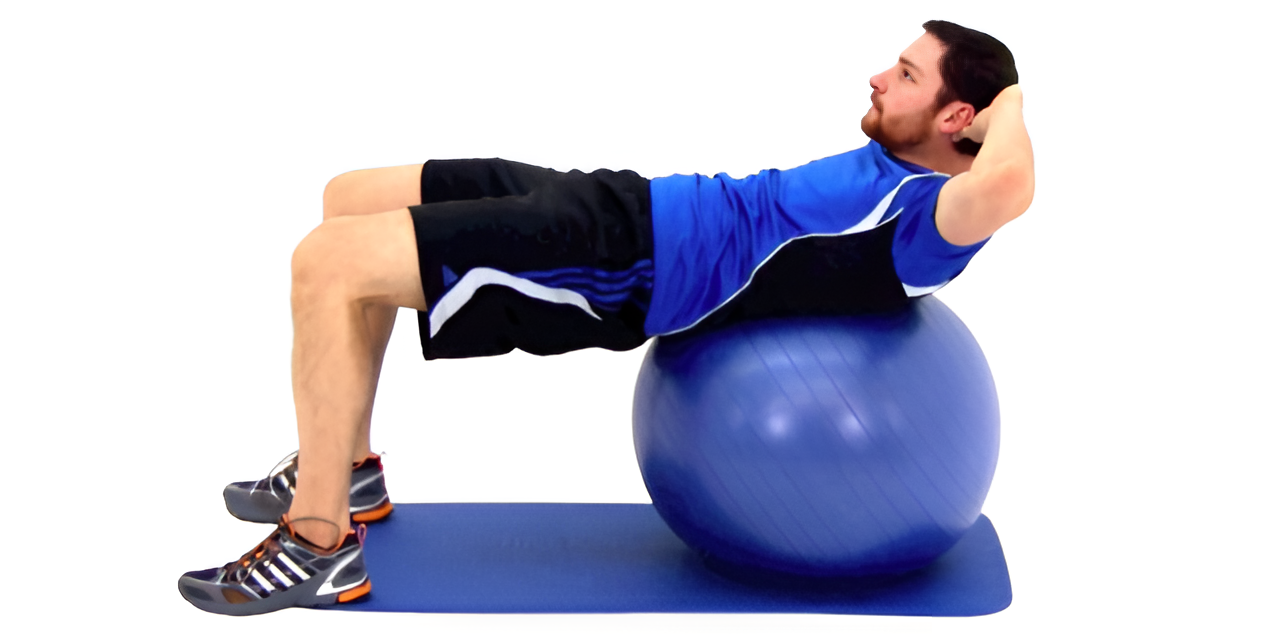
Challenging Exercise Ball Ab Workout Fitness Health Track
This challenging abs workout video falls just under 13 minutes in length and uses only an exercise ball or physioball. There are six different exercises, and you will be doing between 10 – 14 repetitions of each, and a total of two rounds through the entire routine. This workout challenges muscles more than a regular abdominal routine because of the extra demand on the core muscles necessary to stabilize on the exercise ball. A lot of the exercises in this abs video are really very challenging and should only be attempted by individuals who have a good amount of baseline strength (particularly in the core) and who are familiar with the unsteadiness of a physioball. We estimate that this routine burns 85-122 calories. About each of the exercises: Physioball Pike – This requires both strength & flexibility, so don’t attempt this one if you are new to working out. This exercise ends up being a great total body exercise as all of the muscle groups have to pull together to complete the motion. Ball Crunch – The basic crunch with a twist; the upward squeeze of the lower body in conjunction with the crunch helps to engage the lower abdominals, as well as the upper motion. Ab Rollouts – The difficulty of this move can be manipulated by adjusting the placement of your upper body on the physioball. For example, if you want to make it harder, set the ball closer to your wrists; to make it easier, place it closer to the elbows (while in the starting position, before you begin to rollout). Make sure to keep a straight line in your back throughout this exercise. Jackknife Crunch – This is the same motion of the traditional Jackknife Crunch, except for that you are passing the ball back and forth between hands and feet. If this is too difficult, you can do the motion without the ball. With the ball, this ends up being a good exercise for the inner thighs, as well. Plank Rotation Kicks – This one targets the entire core, and also engages the thighs to complete the rotating kicks. Hyperextension Crunch – A basic crunch with additional range of motion, it can be helpful to have something to place on your feet as an anchor while you complete this move. Focus on really squeezing at the top of the motion and never really letting your muscles relax until you are finished with all of the repetitions. If you don’t have an exercise ball it is definitely something that you should consider adding to your home gym equipment. It is extremely versatile and can facilitate a large variety of exercises – for far more than just the abdominals. It allows for an increased range of motion, can be used to strengthen just about any muscle group, and is great for different back stretches, as well. Check out Fitness Health Track’s Store in order to find a few physioball brands that we have found to be reliable & of high quality. A toned, defined stomach is often at the top of the list of most people’s fitness wish list, however, it is frequently one of the hardest goals to reach. A large part of the reason why people often fall short of their “six pack abs” aspirations is that they don’t realize how important a healthy diet is to reaching that end goal. If you want defined abs, you’ve got to lower your body fat percentage through ample cardio, strength training, and clean eating. That means fresh, non-processed foods make up the bulk of your diet. Check out Fitness Health Track’s recipes for ideas on clean eating recipes.
Dynamic Total Body HIIT and Core Workout Fitness Health Track
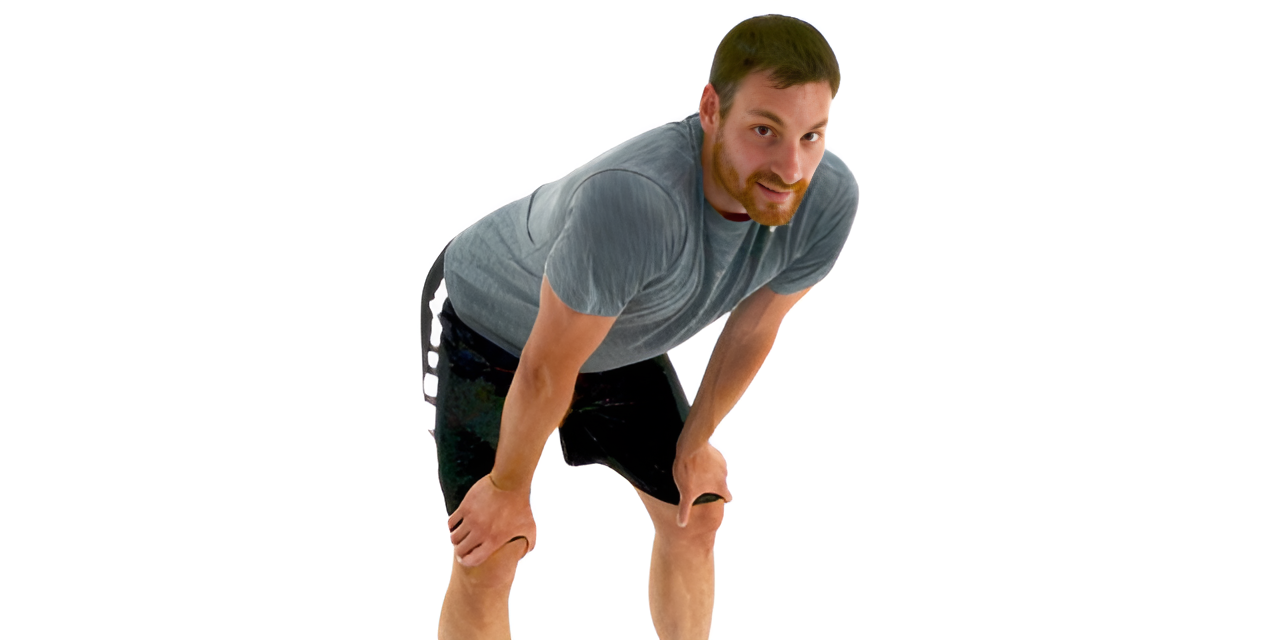
Two of our most popular types of workout videos have to be HIIT and Core, so with this routine we thought we would pack both of these popular styles into the same workout. To add a little more of a spin to this routine we have also use combination movements for the HIIT exercises making it not only hard for your muscles but also hard for your brain. After all, you need to exercise your brain just like you would a muscle to make sure it stays sharp as you age. With this 38+ minute workout we have set up multiple types of movements in different groups. We of course start off with a quick 5 minute warm up but feel free to do more if you have been particularly sedentary before starting this video or if you are just a bit stiff from a workout the day before. Once done with the warm up we start immediately with the first of three HIIT sections, each with their own particular style. Each HIIT section will be roughly 6 minutes long and consists of three groups of two exercises that we will be doing in an AB, AB format with our typical 20 seconds of work and 10 seconds of rest. There will not be any extra rest between groups so be sure to pay attention to what is coming up after each group is done. In between each HIIT section we have also included a quick Core focused section to tone and strengthen your abdominals, obliques, and lower back. Each Core section will be roughly 2 minutes in length and consist of two individual exercises done for 50 seconds straight with a quick 10 second break to move into position for the second exercise in each section. As with any routine, try and challenge yourself but be sure to keep your form under control. Because of the dynamic style of routine it may take you a few times through until you are comfortable enough with the movements to really challenge yourself. If you need to modify these exercises to make them easier or lower impact feel free as you should never feel as though you have to do these workouts exactly as we show them but should instead modify them to your needs so you can get the best workout for your needs and/or restrictions. Hope you enjoy this routine and please let us know your thoughts in the comment section below. Warm Up: 5 Minutes – Arm Circles – Side Step Arm Cross – Torso twist with Knee – Toe touch Sweeps – Warrior Overhead Reach L – Warrior Overhead Reach R – Squatting Push Pull – Boxer Shuffle – Up and Outs – Jumping Jack HIIT: Round 1 – 6 Minutes; 20 Seconds On, 10 Off, 2 Sets Each – Burpee / Push Up – Toe Touch Get Up – Quick Feet Burpee – Lateral / Squat Jump – Star Jump / Burpee – Sumo to Lunge Jump Core: Round 1 – 2 Minutes; 50 On, 10 Off, 1 Set Each – Crisscross Crunch – Toe Touch Crunch HIIT: Round 2 – 6 Minutes – High Knee / Jumping Jack (4 count :1) – Mt. Climbers – Squat Jack / Jump (3 Count :1) – Lizard Hops – Front Jack / Squat Pops (2 Count :2) – Seal Push Up Core: Round 2 – 2 Minutes – Russian Twist – Back Bow Twist HIIT: Round 3 – 6 Minutes – Star Jump / Knee – Walk Down / Plank Knee – Burpee / Jab Cross – Supine Push Up / Toe Touch Get Up – Jumping Lunge / Uppercut – Jab Cross L/R Core: Round 3 – 2 Minutes – Side Hip Raise L – Side Hip Raise R Cool Down: 5 Minutes – Free form Workout Complete!
Fitness Health Track Golf Workout Strength, Balance & Flexibility Exercises for Golfers Fitness Health Track
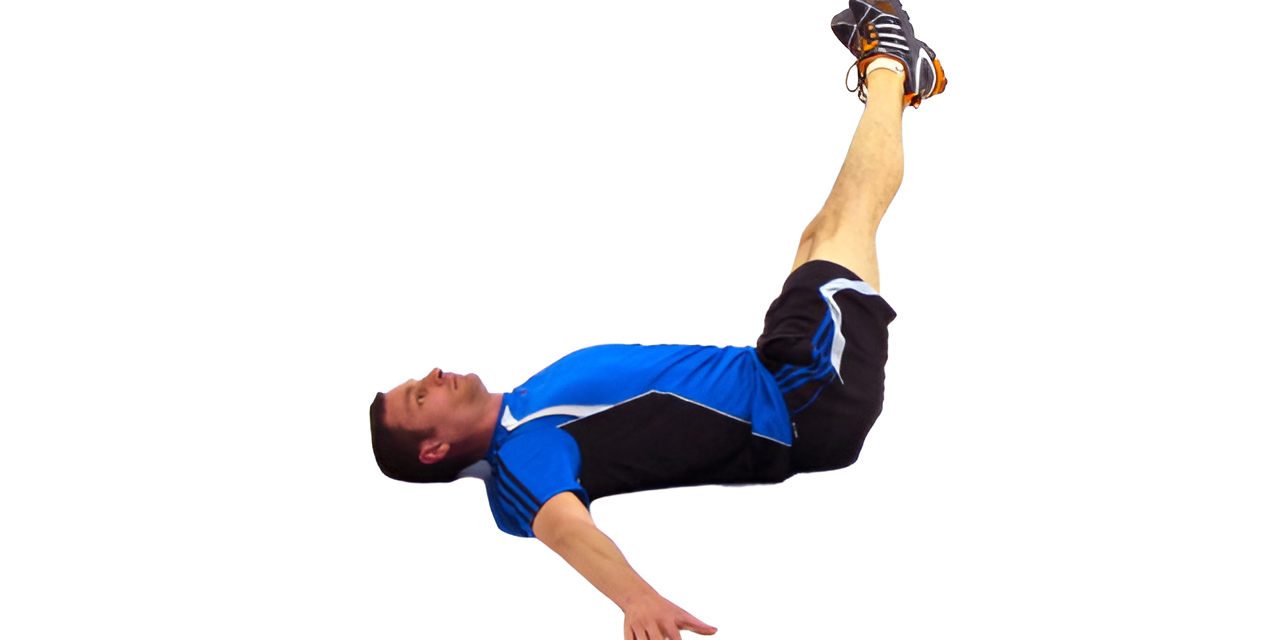
This golf specific routine has been built to focus on the three main areas of a better swing; strength, balance/control, and flexibility. All three of these components are integral to a solid, controlled swing that can be honed to produce an accurate shot. Flexibility is the most important of the three as it determines your maximum/minimum range of motion through your swing and your body’s ease of movement though that range. Once you have a full range of motion from flexibility you then need to be able to control your body in that range and that is where balance comes in. Balance training helps you to build control over you body and improves your swing by decreasing your reaction time to changes in your center of gravity while you swing. What would normally be a large wobble to regain control turns into a rock solid stance after diligently training of one’s balance and control. Strength is the final piece that adds the extra distance to your drive, but not just any strength training will help. This routine has a combination of functional exercises that focus on the muscles used during a swing and train them to work together rather than isolating them from one another as many strength exercises do. Here are the exercises used in this program and a little about why they are used. Strength T Stabilization: These help build core strength and teach the body how to align itself, even under lateral stress. This is also a great movement for building balance and body control. Windshield Wipers: This exercise is great at focusing on the rotational motion through your torso that directly corresponds to the rotation of the torso through a golf swing. Prone Hovering Lateral Raises: Though these do not directly relate to a golf swing they are used to build strength and range in the upper back and shoulders to provide support and stability during your swing. Side Plank with Leg Raise: Though difficult, this motion helps to build stability and power in the hip joint to help shift weight between legs and push the hips in the direction of the swing needed during a powerful drive. Side Push Up: These help to build the chest muscles and give maximum power in a swing even through the last bit of the shoulders range of motion. Band Reverse Fly: This exercise helps build strength in the rear deltoid, rhomboid and traps to help that leading arm develop control and power during a drive. Balance Toe Balance: This helps to build control and endurance through the ankle complex when you have your weight in the ball of your foot. Heel balance: This is the same as the toe balance but helps for when you have your weight in your heels. Ice Skaters: This provides not only hip control for both legs but also helps balance through the small muscles of the foot and ankle. Balance Pad Swing: This helps to build coordination throughout the body when performing a swing, to give the most solid stance possible through the important few inches before and after contact with the ball. Single Leg Dead Lift: Not only does this exercise provide a challenging exercise for balance but it also provides extra strength and control to the hip by strengthening the butt and hamstring. Flexibility Toe Touch with Flat Back: The lower back is constantly trying to round to reduce tension on the hamstrings when in the proper swing stance. So this exercise forces the hamstrings to stretch, lowering the amount of tension felt in the back during a swing. Torso Twist Against Wall: This helps to increase the rotational range of motion throughout the trunk and directly improves range of motion in a swing. Wall Shoulder Stretch: This stretch helps to increase range of motion in the shoulders, lowering the impact of an imbalanced and tight shoulder joint on your swing. It also relieves tension generated by the intercostal muscles. Wall Chest Stretch: This improves the range of motion in the shoulder related to the chest muscles, allowing for a greater rear and follow through swing. Calf Stretch: This allows the foot and ankle to move more freely and keeps a tight calf muscle from interfering with balance and control. Supine Trunk Stretch: This stretch, which is a static position of the windshield wiper, helps to increase range of motion around the torso to give more trunk rotation during a swing. Combining all of theses sections for a full routine will set the stage for that perfect golf swing. You can use this as a routine to see improvement by doing it 3-4 times a week or use it as a maintenance routine and do it 1-2 times per week.
Fitness Health Track Hourglass Figure Workout Exercises to get Curves Fitness Health Track
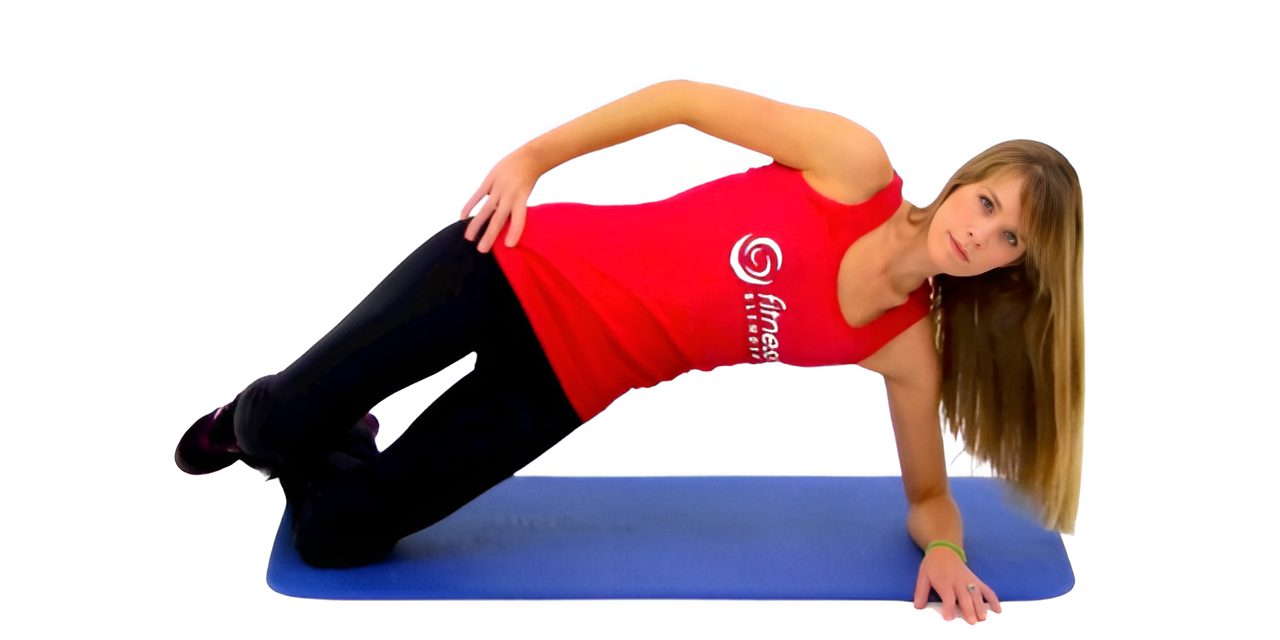
This Hourglass Figure Workout video has 8 different bodyweight toning exercises for a smaller waist. There are 14 repetitions per exercise, and the entire video goes three rounds through. An hourglass figure is a body type that has the appearance of curvy hips and bust, largely due to the contrast of a small waist. While your body frame is largely determined by genetics, there are definitely some things that you can do in order to get a smaller waist and create the look of a shapely silhouette. Hourglass exercises for a curvy body are predominately going to consist of moves that target the obliques, or the transverse abdominals muscles. This routine does just that; these movements tone and strengthen those muscles that run through the sides of the waist, causing them to draw inwards because they are tighter. To create a well rounded regime of workouts for a curvy body, you obviously want to focus on more than just your transverse abdominals. As another incentive to adopt a training plan that targets more than just the core muscles, training to strengthen both the lower body (particularly the glutes) and the upper body (especially the pectorals and shoulders) will also help to increase the shapeliness of those body parts, and again, increase that bust to waist to hip ratio. Here’s a bit about what each of the exercises in this routine does: Jumping Oblique Twist – A cardio move that burns a decent amount of calories, the twisting motion engages your obliques. Pilates Side Hip Raise – Do a few repetitions of this movement and you will be able to feel exactly which muscles you’re working; this is one of the best exercises for a smaller waist because it so intensely targets your transverse abdominals. Bicycle Crunch – This is a situp variation that burns a high number of calories because your whole body gets in on the movement. You will tone upper and lower abs with this one. Pilates Oblique Crunch with Side Leg Raise – The side crunch is another intense move for slimming those sides, and as an added bonus, this motion also engages the inner and outer thighs and lower back. Knee Tuck Crunch – You will feel this exercise in your lower abs, but your entire abdominal panel has to work to complete the range of motion. Your quadriceps and hip flexors have to pitch in, too. Fast Hands Crunch – Twisting back and forth while balancing on your tailbone works both the oblique muscles and the lower abs at the same time. Back Bow Crossover – Lifting your upper and lower body up and back and forth to the left and right challenges the core in a comprehensive way that is effective for toning the lower back and transverse abdominals. These also tone the thighs, glutes, and shoulders. Windshield Wipers – These are a great way to both strengthen your core muscles, and maintain the range of motion of your torso (something you can easily lose if you aren’t adamant about regular physical activity).
Full Length KettleBell Workout Video High Intensity Total Body Routine Fitness Health Track
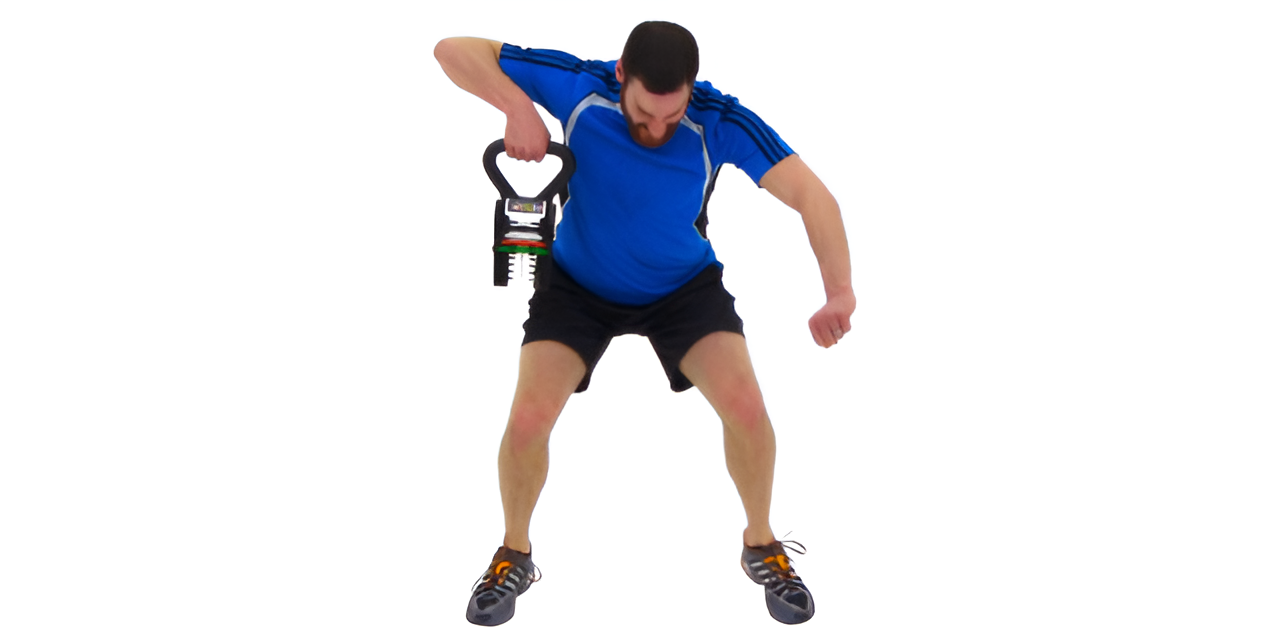
Kettlebells as they are known today originated in Russia and date back to the mid 1600’s where they were first used as counterweights for weighing goods for trade and sale. It was not long before people started to use them for demonstrations of personal strength and later tools for strength training. Kettlebells are currently used by the Russian Military, United States Secret Service, and the FBI Counter Assault Team, to name a few, to train in ballistic style high endurance movements for strength and conditioning. Though they have been a popular training tool in Russia for centuries, it has only been recently that they have become a more accepted and desirable strength training tool for the general population in the United States. The main draw of the Kettlebell is not necessarily the Kettlebell itself but rather the style of training typically done with it. The majority of movements done with a Kettlebell are high intensity ballistic style movements, meaning they are quick and jerky motions designed to challenge both maximum strength and endurance at the same time. The exercises often focus on multiple large muscle groups at the same time, giving them the ability to challenge aerobic or anaerobic endurance, as well as strength and coordination, all while burning very high amounts of calories in a small amount of time. This Full Length Kettlebell Workout Video goes through a few intermediate and advanced movements that will burn maximum calories in a minimum amount of time. If you are new to these types of motions be sure to take your time and make sure you have the exercise form correct before you progress in weight and speed. There are three rounds to this routine but we suggest starting with one and building up from there. This routine can easily burn 12 to 16 calories a minute depending on the size of the person and the amount of weight used so be ready to feel out of breath with some of these motions. The following goes into more detail on each exercise. WARNING: Start with very light weight and master the form for each motion before progressing to a heaver Kettlebell, as these motions are generally more dangerous than typical exercises. The weights given below are just examples and not a suggestion of what should be used by you or anyone else doing this routine. Figure 8 Curl: (40lb-18.1kg) This more advanced version of a Figure 8 incorporates a curl and hold for extra work through the legs (for momentum) and the arms to get even more calorie burn and cardiovascular effort. Halo: (25lb-11.3kg) This motion hits the core, biceps, and triceps for stability but primarily focuses on the shoulder complex and its range of motion. Single Arm Swing: (30lb-13.6kg) This ballistic swing targets the legs, butt, lower and upper back, and the shoulders. This is a high calorie burner and great for toning when done with high repetitions. Cross Crunch: (20lb-9.1kg) Though not one of the heavy hitters as far as calorie burn, this exercise does a good job in strengthening and toning the abdominals and obliques. Single Arm Snatch and Press: (40lb-18.1kg) This is a great example of a ballistic styles move that incorporates almost the entire body and burns maximum calories. Turkish Get Up: (25lb-11.3kg) This advanced exercise is not only another heavy hitter when it comes to calorie burn but it is also an amazing challenge for combining coordination and strength. Squat Jerk: (40lb-18kg) This move utilizes the legs, butt, shoulders, and traps, for a great easy Kettlebell move. Full Swing: (30lb-13.6kg) This motion is easily the “poster child” for Kettlebell training, integrating almost the entire body and burning massive amount of calories. Just be careful as this motion, if not done properly, can easily injure your lower back and shoulders. In this video we are actually not using a traditional Kettlebell but instead we use an adjustable Kettleblock. We use this piece of equipment to save space and money (it takes the place of 8 individual Kettlebells).
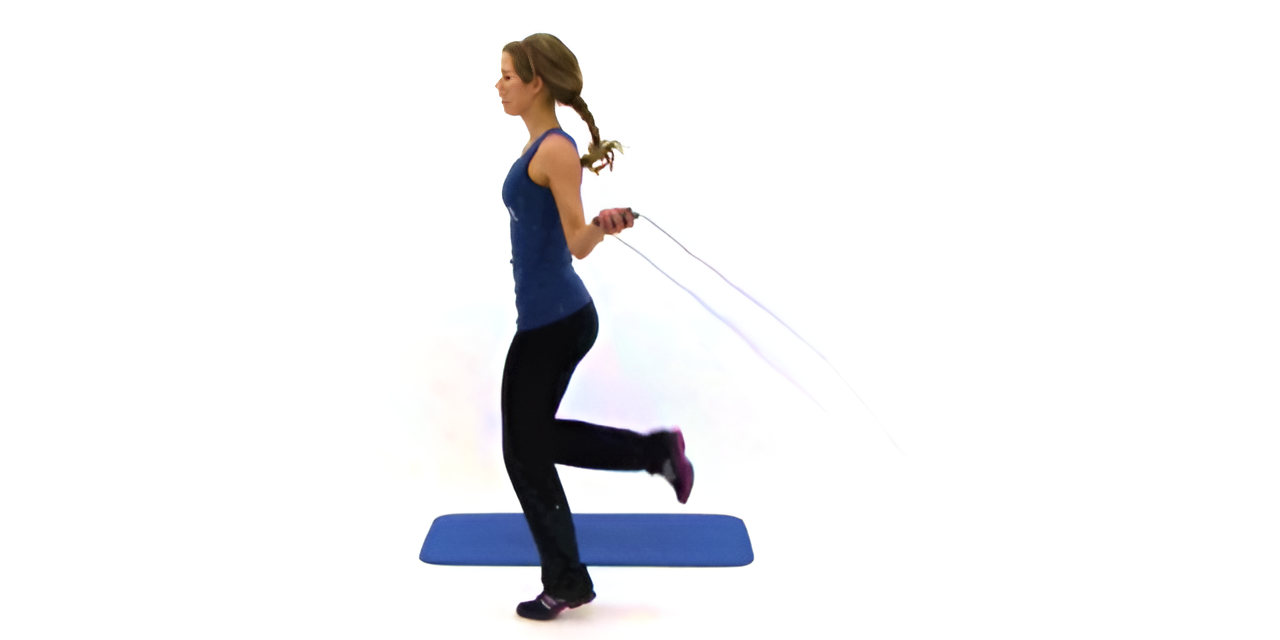
Jump Rope Weight Loss Routine 20 Minute Home Cardio Workout Fitness Health Track
Short, intense bouts of activity & increased muscle mass are the only proven ways to give your metabolism a boost; this 20 Minute Home Cardio Workout video is a perfect example of a training style that will stoke your body’s fat burning furnace (particularly in conjunction with a strength training routine meant to increase lean muscle mass). Here’s how this routine works; there are 60 second intervals of a few different styles of jumping rope, with 14 repetitions of a bodyweight toning exercise between each minute of the high intensity cardio. There are three rounds total, for a workout time of 20 minutes. We estimate that this routine can burn 198-285 calories. That’s more than you will burn on any elliptical, and you would have to run at 7-8 miles per hour for 20 minutes without rest to get the same caloric burn from a treadmill. This routine on the other hand, requires only a jump rope, build coordination, gives you short breathers to catch your breath between intervals, and also includes some toning exercises. About the exercises that make up this Jump Rope Weight Loss Routine: 60 Seconds Jumping Rope, Skipping – Kick one foot out in front of your body as the other hops under one passing of the rope. This requires a bit of coordination and it might take you a couple of tries to get the feel of it, if you haven’t touched a jumping rope since first grade. Tricep Push Ups – This variation of a push up still targets your chest and engages the abs in a similar fashion to the original version, but it’s main focus is those tricep muscles. You can do this bodyweight exercise from your knees, or go up onto your toes to make it more challenging. 60 Seconds Jumping Rope, Two Foot Hop – You can make this one a bit harder & target the upper body better by speeding up the rotation of the rope so that each time you hop, the rope passes under your feet. Crisscross Crunch – This is a fantastic exercise for the obliques, abdominals, hip flexors and quads. Because it engages so many muscle groups, it burns an exceptionally high number of calories for an abs exercise. 60 Seconds Jumping Rope, Jogging – This jumping rope style is simply jogging in place in time with the passing of the cord under your feet. Because you’re coordinating the rotations, your upper body gets a workout that it normally wouldn’t, plus your feet are forced to become more agile. Alternating Lunges – One of the best moves you can do to tone and shape the thighs and glutes, this also engages the calves and core for stabilization. 60 Seconds Jumping Rope, Single Foot (alternating) – Just in case your calves were not already completely burnt out, we added in a round of single foot hopping. Watch for the cues on when to switch the foot you are hopping on; it’s roughly every 15 hops that you will need to switch to the opposite foot. Heads up! This jump rope workout video will leave you sore if you haven’t used this simple cardio tool in a while – even if you are an avid exerciser. Make sure that you are okay with being a bit sore (in a good way) the next day and make sure to warm up and cool down to lessen the intensity of stiff muscles.
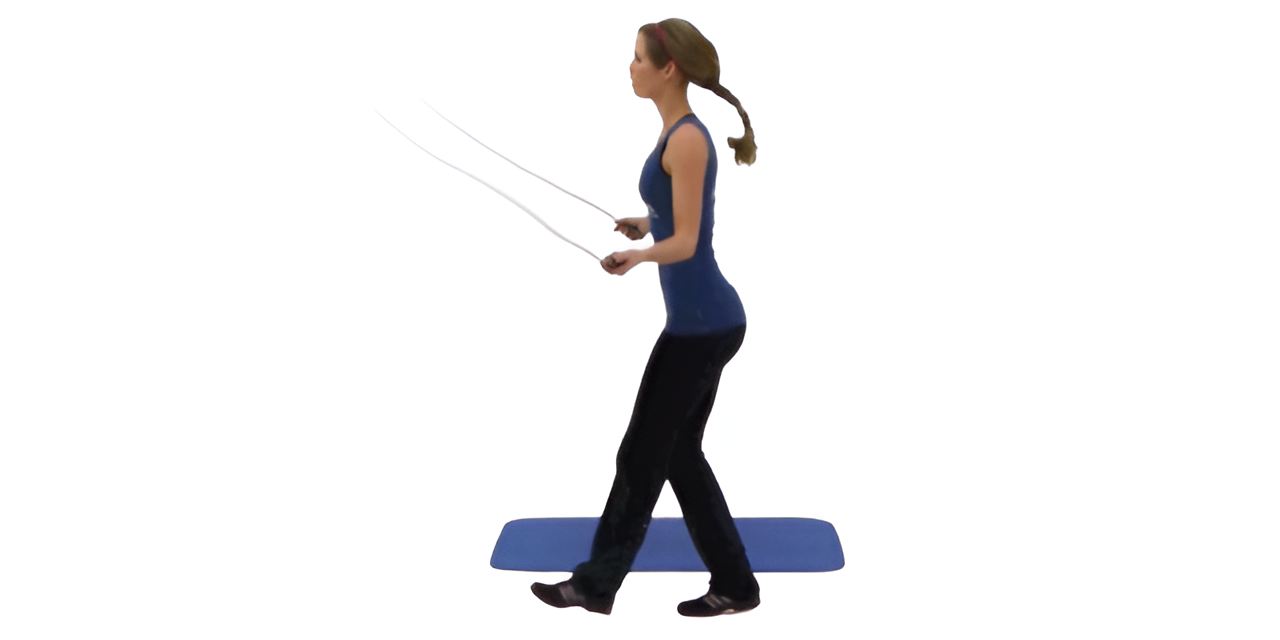
Jump Rope Workout Routine Intense Home Cardio + Toning Exercises Fitness Health Track
Be warned: this 20 minute home cardio workout is a lot harder than it looks. Routine Structure: This jump rope workout uses 1-minute intervals to really get your heart and lungs working. In between the intervals, you will do 14 repetitions of bodyweight toning exercises that focus on the chest & arms, abdominals, glutes and thighs. This is a very fast paced routine and there is only 40 seconds of rest in between each of the three rounds. If your cardiovascular endurance is a bit rusty, you can still do this workout: when you absolutely must take a rest simply pause the video and jump right back in as soon as you have caught your breath. Fitness Health Track’s Jump Rope Cardio Workout is a seriously efficient calorie burner – Not even taking into account the considerable number of calories that you will burn after you have finished exercising while your body attempts to regulate itself after such a high intensity routine. For this reason, this is an ideal metabolism-boosting workout. Jumping rope is an excellent workout for people who are trying to speed up weight loss efforts, increase their endurance, and tone up allover. There are very few muscles that this $6 – $14 cardio tool doesn’t use; calves, hamstrings, quadriceps, abdominals, obliques, forearms, deltoids, triceps, biceps, glutes, and wrist, knee, and ankle complexes are all engaged in order to pull off the motion. Here’s a breakdown of this video: 1 Minute Jumping Rope – The first interval uses a skipping motion. There are many variations on this style but the one in the video above has you hopping on one foot, alternating feet with each hop, while kicking the free lifted foot out just in front of your body. 14 Push Ups – You can do full push ups from your toes to make this harder, or “Girl Push Ups” from your knees to make it a little less challenging. If you can do full push ups, do as many of the harder version as you can before switching over to the easier version. 1 Minute Jump Rope – Sixty seconds of hopping with both feet. 14 Toe Touch Crunches – This move tones the abs, quadriceps, and hip flexors. If you want an easier version than the one shown in the video, you can always bend your legs at the knees instead of having them straight out over your hips. 1 Minute Jumping Rope – Sixty seconds of jumping rope in the same fashion that you would if you were jogging, just to make sure that we keep your heart pounding and your lungs gasping for air! 14 Squats – It’s funny but the squats actually end up being a brief opportunity to catch your breath before you go right back into another cardio interval. Squats are fantastic for your glutes, quads, hamstrings and lower back, and they also burn a high number of calories. 1 Minute Single Leg Jumping Rope – Just to really exhaust those calf muscles, we finish up with a single leg hop. Do roughly 15 hops per single leg before you switch feet. This is one of those workouts that will most definitely bring about results. Whether you are an athlete looking for quicker, more agile feet, a fitness retiree trying to be able to walk a flight of stairs again without becoming winded, or a dieter trying to see a downward plummet on the scale, this routine is a great option. Especially if you have not exercised in a while, doing this cardio workout video can make for some particularly sore muscles the next day. Make sure that you warm up lightly before starting the routine and stretch out thoroughly when you are finished in order to minimize the soreness that comes from waking up those muscles.
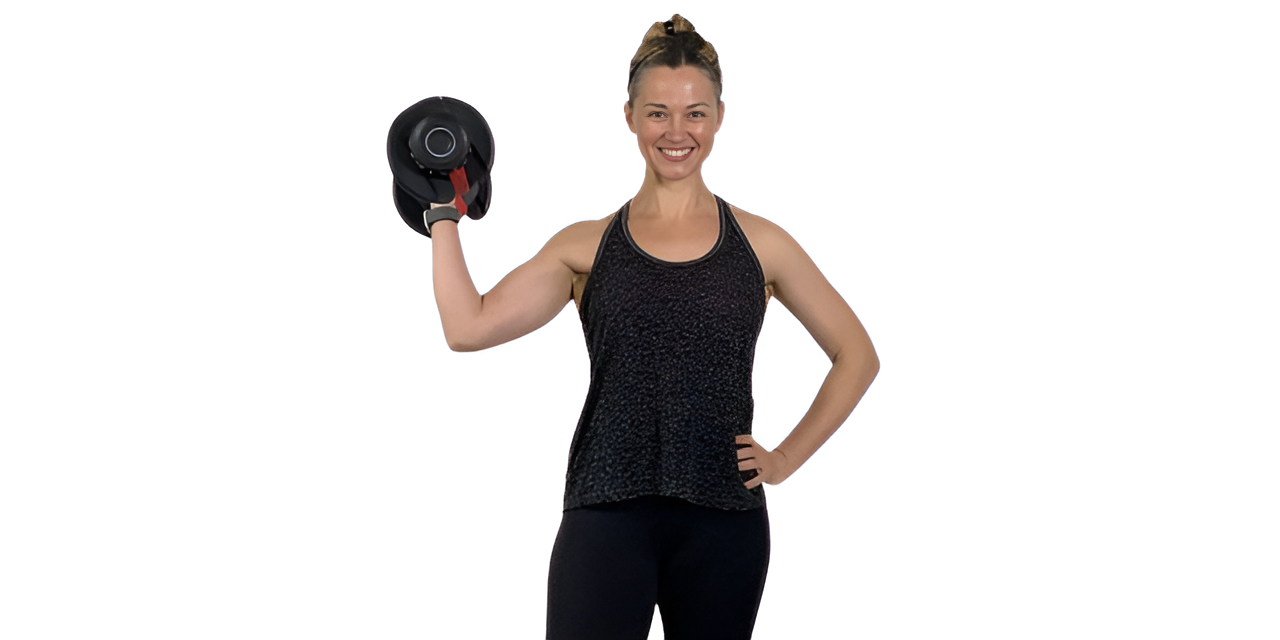
Upper Body Strength with Bonus Pulses for Stabilizing Muscle Activation Fitness Health Track
I am super excited to introduce my newest workout! I have a full-length upper body strength routine, complete with modifications, a warm-up, and a cool-down. I always talk about other workouts to pair with mine, but no need to for this one! We are targeting the major muscles in your upper body with this routine. With 14 exercises on our to-do list, we will work for 45 seconds then rest for 15 seconds. We will perform each exercise first through a full range of motion. Then follow it up with the same exercise but this time with a pulse in a smaller range of motion. You will need a set of dumbbells, as well as an exercise mat and chair. Why pulses? • The non-scientific reason: • It’s a fun way to switch up an exercise. • Here are more scientific reasons: • Much like an isometric exercise, working through the smaller range of motion places less load through the joint, can help build strength and power, and help with injury prevention. • Moving through a larger range of motion engages the larger global muscles while pulsing through a smaller range of motion activates the stabilizing musculature. Notes on technique and form • I talk about pulsing in the mid-range a lot in this workout, but you can pulse anywhere in the range – beginning, mid, or end range. Wherever your form is the best while still challenging yourself is where I recommend pulsing. • Don’t worry about how fast you perform your pulses. You can move slower if it means maintaining proper form. • Not saying that you have to lift the same as me, mind you, but I use between 5 and 10 pounds (~2.3-4.5 kg) for each exercise. • If you don’t have weights, you could use a resistance band. It just might take a little extra planning to determine where you need to place the band or how to hold it. • Try using a lighter weight for the first round of the exercise where you work through the entire range, and then use a heavier weight for the pulses. So, what did you think of the pulses? I really hope you enjoyed this routine. Thanks so much for working out with me – and, as always, let us know what you’d like to see next! The Workout Warm-Up 30 seconds each (5 minutes) • Boxer Shuffle • 3 Trunk Rotations with a Knee • Swan Dives • Side Bending with Step Back • Chest Expansion • Bilateral ER with Wrist Extension • Neck Series – R • Neck Series – L • Lat Stretch with Lift-Off • Jumping Jacks Workout 45 seconds on // 15 seconds off (28 minutes) • Bicep Curls • Bicep Pulses • Tricep Overhead Extensions • Tricep Overhead Extensions Pulses • Chest Press • Chest Press Pulses • Overhead Shoulder Press • Overhead Shoulder Press Pulses • Hammer Curls • Hammer Curls Pulses • Chair Dips • Chair Dip Pulses • Single Arm Row – R • Row Pulses – R • Push-Ups • Push-Up Pulses • Neutral Grip Overhead Press • Neutral Grip Overhead Press Pulses • Supination Bicep Curls • Supination Bicep Curl Pulses • Skull Crushers • Skull Crusher Pulses • Deltoid Raises • Deltoid Raise Pulses • Chest Fly • Chest Fly Pulses • Single Arm Row – L • Row Pulses – L **Water Break** Cool-Down 30 seconds each (5 minutes) • Swan Dives • Overhead Tricep – R • Overhead Tricep – L • Seated Chest Expansion • Trunk Rotation with Pec Stretch – R • Trunk Rotation with Pec Stretch – L • Eagle Arms – R • Eagle Arms – L • Lat Stretch • Neck Series Written and Filmed for Fitness Health Track by Amanda VF, PT, DPT, ATC, CSCS Board-Certified Orthopaedic Clinical Specialist
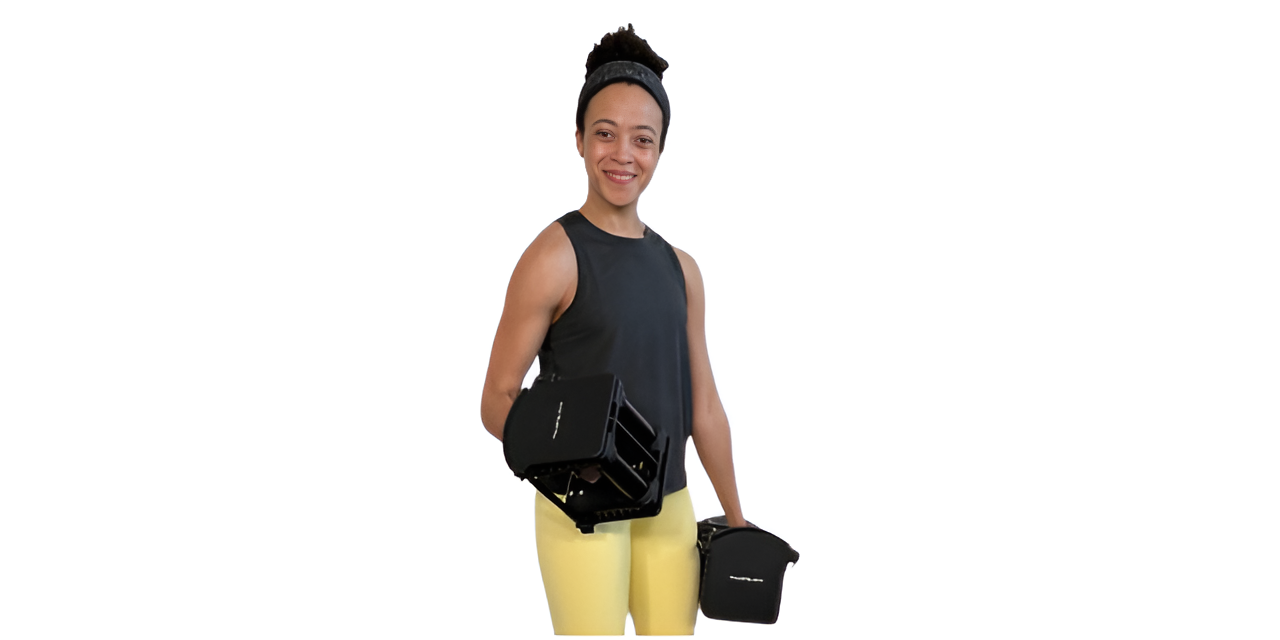
Lower and Upper Body Mini Strength Complexes with Add-On Style Core Finisher Fitness Health Track
You don’t need an expansive exercise library of complicated movement patterns to improve your fitness and reach personal performance goals. After all, the slightest of tweaks to formatting, sequencing, tempo, and/or unilateral versus bilateral focuses of a workout allow us to remix the same standard exercises in a multitude of ways to elicit major physical (and mental) gains. The straightforward exercises included in this workout are sequenced together in such a way to challenge your muscles in a short amount of time. Both the lower and upper body circuits are formatted as complexes, the goal of which is to maintain the same set of weights for each exercise with minimal rest between moves, challenging both the muscular and cardiovascular system to prevail beyond fatigue. You will complete three rounds of three exercises per complex. The best part? You will reverse the order of completion on the second round of each circuit. This reversal increases the difficulty of the workout, because you are pushed to work muscle groups that were just utilized during the previous round. As each working interval is only 30 seconds and the exercises in each complex have complementary weight selections, feel free to challenge yourself with heavy (to you) weight choices. Be mindful that the short break between intervals is more of a transition period for you to reset your grip and/or posture before the next exercise, but if you choose to use different weights for each move, do so with expediency and keep all your weight selections nearby. Whether you choose to maintain the same set of weights throughout the complex or not, form and quality of movement are of utmost importance. Take grip and postural breaks, readjust your weight selections, and reset your mental commitment to the workout whenever necessary. During the add-on style core finisher, you will add an exercise to the lineup each round until you complete all four exercises. This means that you will complete the hand release push-ups variation all four rounds and the hollow-man variation once during the last round (I know you’re cheering about one round of hollow-man holds). The first round will feel the easiest of all – your 30 seconds of work are immediately followed by 30 seconds of recovery. Afterwards, your working interval increases and your recovery remains the same as you add an exercise each round. You might not feel entirely spent after the finisher, but that’s ok! The main purpose of the finisher in this workout is to challenge your core to increasing amounts of work after having just provided ongoing stability during the preceding strength complexes. Note that this routine is a level 3 workout but could easily feel like a level 4 workout if you opt for heavy (for you) weight selections and choose the most advanced progression of all the core exercises in the finisher. If you want to further increase the difficulty of the workout, decrease the tempo of execution of each exercise in the complexes with halfway pulses. For example, when completing the front squat: lower to your end range of motion into a squat, rise halfway through your range of motion, return to your lower end range, and then finally stand all the way back up. Conversely, decrease the difficulty of the workout by decreasing your weight selections and range of motion while maintaining an even, moderate tempo of movement execution. Enjoy this quick but efficient total body workout! Ultimately, you determine the intensity of all your workouts, but I hope you feel empowered to challenge yourself from time to time with this routine. Workout Warm Up: 30 sec per exercise, no rest between exercises (5:00) -Bottom Pause Squats -Hinge + Low Row -Reverse Lunge + Overhead Press (alternating lunges) -Push-Up + Down-Dog -Jump Rope Shuffle -Lateral Squats -Good Morning’s + Arm Extensions -Reverse Lunge + Torso Rotation (alternating lunges) -Push-Up + Runner’s Lunge (alternating lunges) -Jumping Jacks My weight selections in the video (not a recommendation, just a reference): -20 lbs. (9.1 kg) = (Heavy) -15 lbs. (6.8 kg) = (Medium) Lower Body Mini Complex: 30 sec on / 10 sec off / 3 rounds (reverse order on 2nd round) / 20 sec off between rounds (Heavy) -Front Squat -Deadlift -Reverse Lunges (alternating lunges) ***Water Break #1*** Upper Body Mini Complex: 30 sec on / 10 sec off / 3 rounds (reverse order on 2nd round) / 20 sec off between rounds (Medium) -Overhead Presses -Low Row -Biceps Curls ***Water Break #2*** Core Add-On Style Finisher: 30 sec on / 30 sec off. Add one exercise with each subsequent round until all four exercises are completed. -Hand Release Push-Ups + Superhuman Back Extensions -Full Plank: Hip Taps (same side; alternating) -Starfish Crunch -Hollow-Man Hold + Boat Pose Cool Down: approx. 30 sec per stretch (approx. 4:00) -Child’s Pose -Runner’s Lunge – R -Runner’s Lunge – L -Down-Dog + Feed Pedals -Rollup to Standing + Arm Circles -Crossbody Shoulder Stretch – R -Crossbody Shoulder Stretch – L -Chest Opener Stretch + Tree Hug