Workouts Library
Premium training sessions guided by elite coaches for maximum physical conditioning
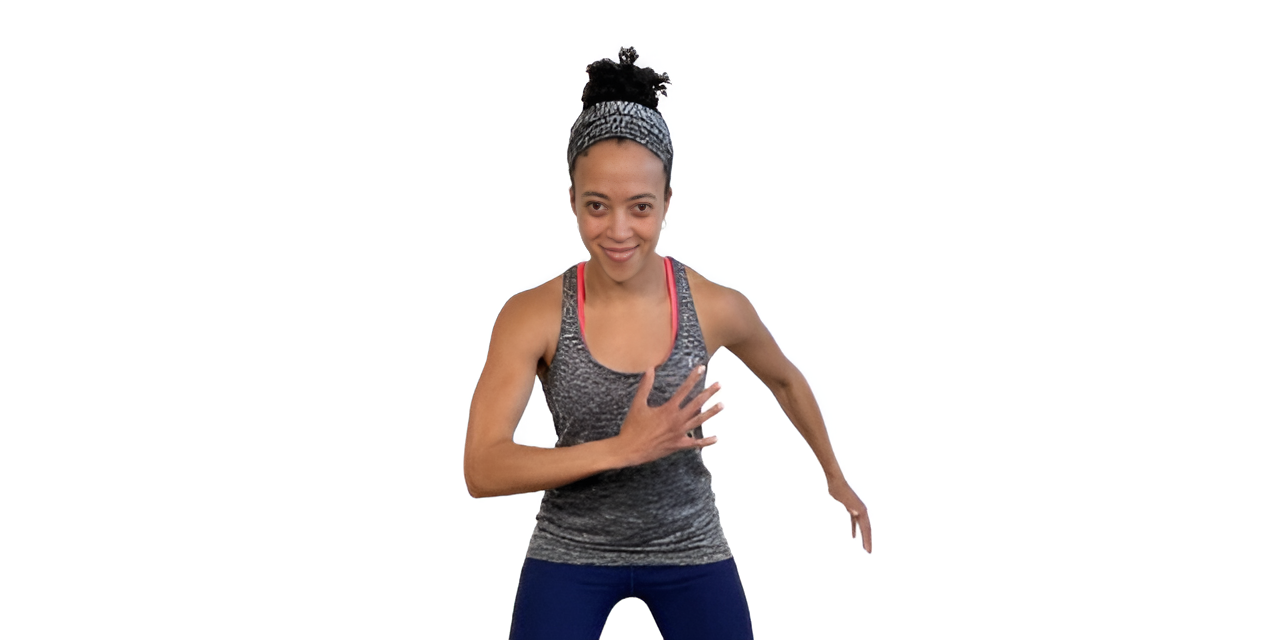
Bored Easily HIIT Fitness Health Track
Tap into your inner competitive athlete in this quick, bodyweight-only high-intensity interval training (HIIT) routine filled with shuffles, leaps, bounds, and thrusters. This workout follows the same pairing format as its predecessor, Quick Bored Easily Bodyweight HIIT with Athletic Drills. You will complete 30 seconds of the first move in each pair at a moderate, submaximal effort followed by 15 seconds of maximum intensity during the second exercise. This second exercise is a straightforward variation of the first move, allowing you to focus on speed, high rep counts, and solid form throughout the short work interval. With only 30 seconds of rest between pairs, your heart rate will remain elevated for most of the workout; therefore, staying in control of your breath while being out of breath is key to helping you navigate the continuous high energy demands of the routine. Below are a few additional pointers to help make the most out of your workout experience: • Preview the video to familiarize yourself with the drills. Do a quick run-through of any exercises that could be tricky for you. • Slow down the tempo! Focus on proper form first knowing that cadence will come with practice. Note how your performance improves every time you complete this workout! • Swap out exercises. If any combination or sequencing of exercises is cumbersome and/or nags pre-existing injuries, switch them out for other moves that work best for your current fitness capabilities and preferences. • Don’t be afraid to extend the warm-up. Additional preparation for your muscles, joints, and lungs could be helpful to improve the controlled speed and agility required for the high-impact exercises in this workout. You know your body best! Take the extra time to make sure your body (and mind) are ready for this high energy demand workout. • Put forth your best effort! You get out what you put in, especially during HIIT workouts when the intervals and overall duration of the workout are short. The benefits of this type of workout are plenty — improved aerobic capacity and endurance, quick adaptations between training modalities, and increased self-efficacy (confidence) for completing tough workouts to name a few. Most importantly, training for speed with athletic-style drills will leave you with a sense of empowerment that extends beyond your workout. Dig in, dial in, and have fun! Workout Warm-Up: 30 sec per exercise, no rest between exercises (5:00) -Lateral Squats with Reaches -Traveling Butt Kickers (forward and back) -Jumping Jacks -Reverse Lunge with Overhead Reach (alternating lunges) -Blastoff Squats -Lateral Hops -High Knees (mid-tempo) -Inchworm -Push-Up + Down-Dog -Slow Squat Thrusts Format for Circuits: 30 sec on (moderate, submaximal tempo) followed by 15 sec on of the exercise in parenthesis (quick tempo, maximum effort); 30 sec off between exercise pairs Circuit #1: -Lateral Squat Jumps + Crosses / (Quick Jabs with Squat Jumps) -Lateral Traveling High Knees + 2 Squat Jack Touchdowns / (High Knees) -Forward Bounds + Back Shuffle / (Frogger Hops – forward and back) -Bear Crawl – Forward and Back + Shoulder Taps / (Full Plank: Shoulder Taps) ***Water Break #1*** Circuit #2: -Twisting Pop-Up Squat Jumps / (Squat Jacks) -Track Starter Deep Lunge + Knee Drive Hop / (Switch Jumps) -3-Sec Fast Feet + 1 Burpee / (Burpees) -Bent Knee Plank Thruster + Push-Up / (Twisting Plank Thrusters) ***Water Break #2*** Finisher: 1:00 total = 15 sec on per exercise / no rest -Lateral Traveling Foot Shuffles -Squat Thrusts -Mogul Hops -In and Out Squat Jumps Cool-Down: approx. 30 sec per stretch (approx. 4:00) -Quads/Hip Flexors Stretch – R -Hamstrings/Hip Hinge Stretch – R -Quads/Hip Flexors Stretch – L -Hamstrings/Hip Hinge Stretch – L -Alternating Lateral Lunge Hold -Overhead Triceps Extension Stretch – R -Overhead Triceps Extension Stretch – L -Chest Opener + Tree Hug
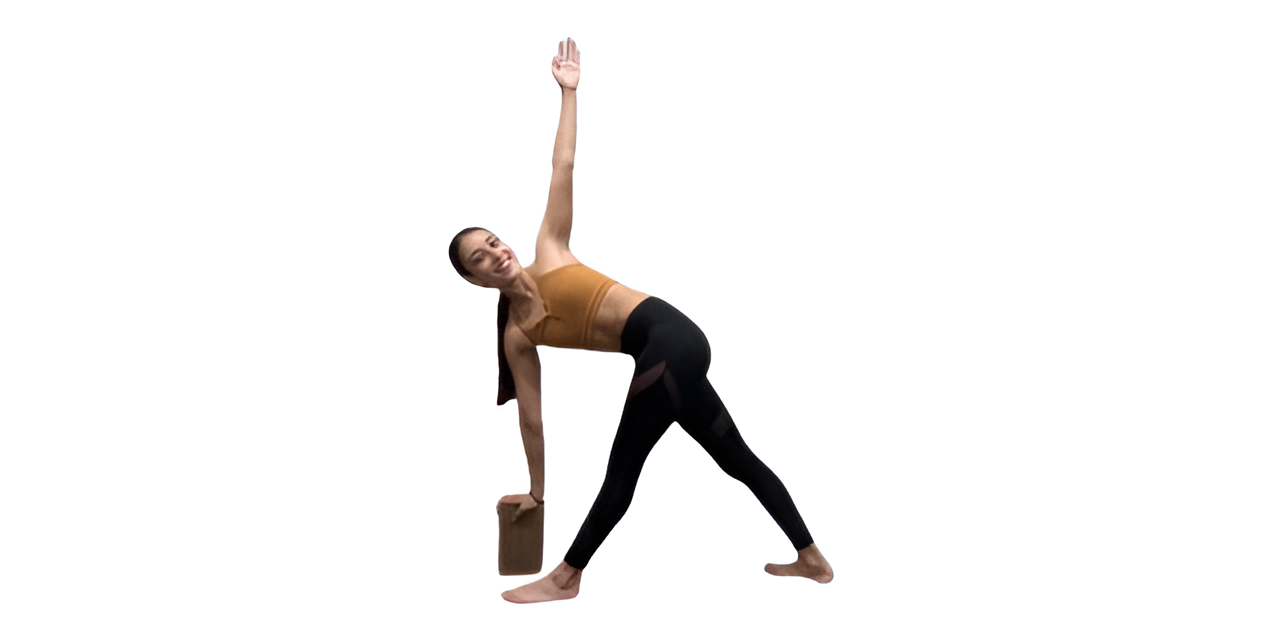
Gentle Yoga Extended Desk-Break Flow Fitness Health Track
Pause your work day and give your body the movement it craves with this feel-good, gentle yoga routine! This all-levels flow includes a warm-up integrating the 7 movements of the spine, a brief peak of cardio to get the blood flowing and the endorphins firing, and a cool-down to help you re-center the mind and reconnect with the breath. While you could use this practice as an extended warm-up for another practice or as a stand-alone active recovery workout, my intentions for sharing this flow are to provide you with a variety of tools to help you rediscover alignment throughout your whole body. Throughout the workday —especially if you sit behind a desk for most of the day — our spines tend to slouch without internal or external support, our shoulders begin to hunch as our upper backs round and our hip flexors shorten and tighten. Over time, our bodies adapt to these physical conditions and this new unaligned posture becomes our default. Out of physical alignment, we may begin to experience imbalances, tension, fatigue or even discomfort/pain in various parts of the body (most commonly the upper/lower back, neck, hips, and/or shoulders). While this may be a commonly shared experience amongst many individuals, we do not have to continue to live in this shrunken and uncomfortable state. My intention for sharing the tools offered in this video is not only to help you realign and strengthen your posture but to lightly engage and actively lengthen the muscles throughout the total body. In the short term, these tools can help to relieve joint stiffness and tense muscles. In the long-term — and with consistent practice — these tools can counteract many of the physical effects of sitting behind a desk including (but not limited to) improved posture, stronger and more stable joints, back and hip discomfort relief, and chronically tight muscles. In addition to the many physical benefits of this practice, our extended desk break concludes with a brief meditation to help ground the mind in the present moment. I encourage you to set an intention for your practice and meditation with a word or simple phrase that you can come back to as an anchor in the present moment. However, if that feels inaccessible, you can always return your attention to the breath. Tuning into the rise and fall of our bellies/chest is an excellent tool to not only return to presence but, to realign the mind and body, reset the focus, and replenish our energy. I hope this flow leaves you feeling rejuvenated and reconnected to your body. I hope you feel more aligned and that this practice is one you can come back to repeatedly when you need a quick movement break! ** Please note that this workout moves at a moderate pace and offers several opportunities for plane changes. Modifications are available throughout this practice and, as always, I encourage you to be your best teacher, taking what honors your body and leaving what does not serve you. ** Equipment: • No equipment • Yoga Mat [Optional] Flow Structure Integration • Seated Tadasana • 5 Deep Breaths • Cat/Cows • w/ Heel Lifts • Barrel Rolls • Modified Dancer or Table-Top Quad Stretch • Down-Dog • Chest Presses Warming • Modified Sun B’s • Tadasana • Lateral Stretches • Tadasana • Goddess Squat • Revolved Pyramid • Pyramid Exploration • One-Legged Mountain w/ Twist • Figure 4 • Low Crescent Lunge / Half Splits Flow [x4 / side] • Runner’s Lunge w/ Twist • Horizon Lunge Peak • Mountain Climbers • Jumping Jacks Re-Center • Half Sun A’s [x4] Release • Spinal Rocks • Reclined Half Pigeon • Spinal Twists Rest • Quick Seated Meditation: Finding Your Alignment
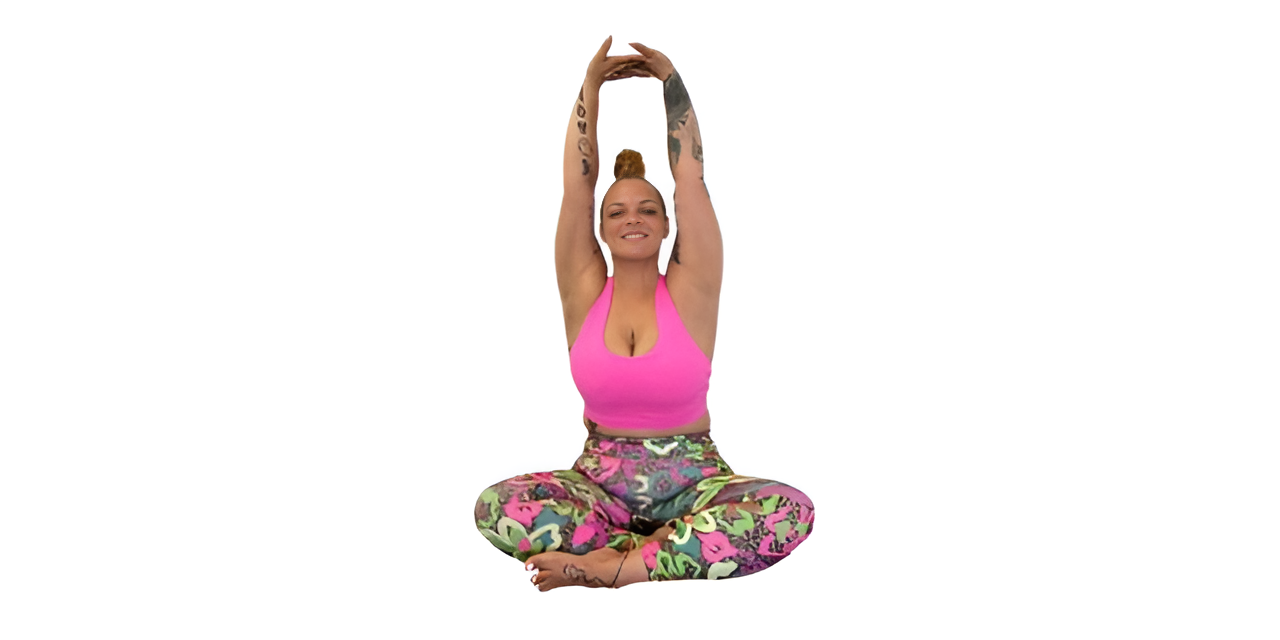
Energizing Upper Body Yoga Flow Fitness Health Track
Yoga is a holistic practice that offers numerous benefits for the mind, body, and spirit. While many people associate yoga with flexibility and relaxation, it also holds great potential for building upper body strength and improving overall fitness. Below, we will explore the various benefits of an upper-body yoga sequence, shedding light on how it can transform your physical well-being and enhance your yoga journey. Movement (asana): Through regular practice, you will notice increased stability, improved posture, and enhanced functional strength to support daily activities. Breath work (pranayama): Pranayama, or yogic breathing exercises, are an integral part of yoga practice. These breathing techniques promote deep and conscious breathing, expanding the lung capacity and improving respiratory function. Better breathing can benefit the upper body by increasing oxygen intake, enhancing endurance, and supporting the health of the respiratory system. Meditation: Yoga is not just about physical exercise, it also emphasizes the mind-body connection. Through focused breathing, conscious movement, and mindfulness, this upper-body yoga sequence deepens this connection This practice offers several benefits for the upper body including improved strength, flexibility, and posture. Hunching over desks, computers, and mobile devices can negatively impact posture and spinal health. This upper-body yoga sequence addresses this issue by targeting the muscles responsible for maintaining proper alignment. Poses like Cobra, Upward Dog, and Hands Bound Rising Locust help strengthen the upper back, open the chest, and counteract the effects of slouching. By incorporating these poses into your practice, you can cultivate an upright posture, alleviate strain on the spine, and reduce discomfort in the neck and shoulders. Regular practice can enhance muscle strength and endurance leading to improved functional abilities, a toned upper body, enhanced range of motion, and reduced stiffness. Strengthening: Yoga poses such as the plank, downward-facing dog, and chaturanga dandasana (yoga push-up) engage the arms, shoulders, chest, and back muscles in the upper body. Improved posture: Focus on spinal alignment and core engagement, helps to correct poor posture. Strengthening the muscles in the upper back and shoulders can counteract the effects of prolonged sitting and hunching over electronic devices, promoting an upright posture and reducing the risk of musculoskeletal imbalances and pain. Increased flexibility: Yoga involves a wide range of stretches and poses that target the muscles and joints in the upper body. This flow is great for flexibility and is particularly beneficial for activities that require overhead reaching or lifting. In the sequence, Hands Bound Rising Locust pose is a variation of the locust pose that involves binding the hands behind your back. Hands Bound Rising Locust engages the muscles in the upper body including the shoulders, arms, and upper back. Holding the bound position promotes proper spinal alignment and encourages opening and lifting the chest. Strengthening the muscles in the upper back can help correct rounded shoulders and slouching, leading to improved posture and reduced strain on the neck and shoulders. The binding of the hands behind the back in this pose stretches the shoulders and chest. It can release tension and tightness in the chest and shoulders. Hands Bound Rising Locust requires engagement of the core muscles and, like other backbends, can invigorate the body and increase energy levels. The pose stimulates circulation, promoting blood flow to the upper body and revitalizing the mind and body. Mind-body connection: Practicing this pose requires focus, concentration, and body awareness. It can help cultivate a sense of mindfulness and presence, allowing you to connect with your body and breath and promote a sense of calm and inner balance. The Reverse Plank is a yoga pose that offers numerous benefits for the upper body and core strength. It involves sitting on the floor with the legs extended, placing the hands behind the body, fingers pointing toward the feet, and lifting the hips and torso upward. Reverse Plank primarily targets the muscles of the upper body, and holding the weight of the body with the arms engages, strengthens and promotes greater upper body stability. This pose requires engaging the core muscles to support the lift of the hips and torso. The deep abdominal muscles, as well as the muscles along the sides of the torso, are activated to maintain stability and alignment. Reverse Plank helps open the chest and stretch the front of the shoulders, counteracting the effects of slouching and rounded shoulders. Each pose invites you to bring awareness to the sensations in your body, fostering a sense of presence and grounding. This heightened mind-body connection allows you to tune in to your body’s needs, make adjustments, and practice self-care both on and off the mat. Peak poses in this flow are marked with an asterisk (*). Flow/Sequence Structure Warm-Up / Breathwork • Easy Seat • Seated Mountain pose • Seated side bend (both sides) • Tabletop • Cat/cow • Downward dog • Three legged dog walk to the top of the mat • Fold • Mountain pose Flow • Upward salute • Half lift • Fold • Plank • Knees – Chest – Chin – Chaturanga • Upward dog • Child’s pose • Dynamic Downward dog to plank 5x • Thunderbolt pose* • Seated Eagle arms (Both sides) • Tabletop • Downward dog • Fold • Upward Salute • Hands bound rising locust * • Mountain • Fold • Plank • Cobra • Upward dog • Downward dog • Thunderbolt • Camel Prep • Camel pose Cool Down • Thread the needle (both sides) • Staff pose • Reverse plank* • Reverse Child’s pose • Happy Baby Rest
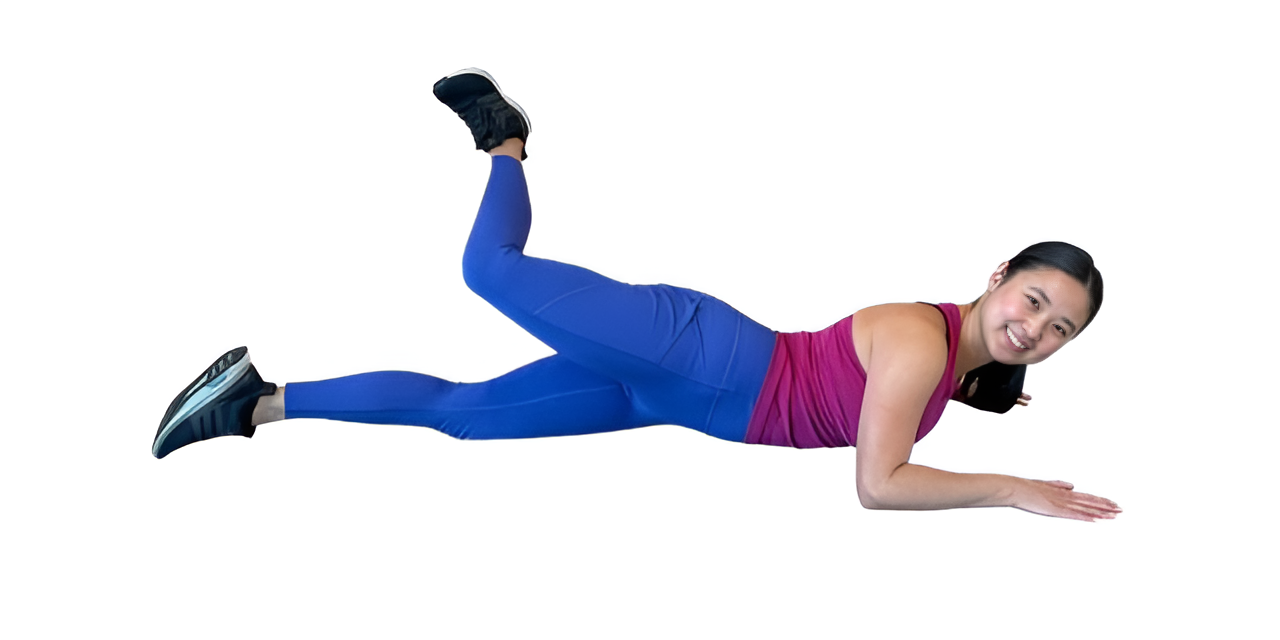
Full Body Mobility for Healthy Movement Fitness Health Track
We’ve combined the amazingness of mobility work into one, easy-to-follow routine. In it, you’ll flow through three circuits that are designed to challenge your core, upper, and lower body. The best part about this workout routine is that it eliminates the guesswork by using the same on/off times, allowing you to be present in the moment and focus on your movement. For those of you who have never done a mobility workout before, welcome! In these types of routines, we aim to improve your movement patterns from head to toe. Often, this goal is accomplished by doing exercises like stretching, yoga, and/or Pilates. Here at FB, we’ve created specific workouts that target single or multiple areas of the body. Take a look at what we’ve done so far: Low Back Prehab Mobility Upper Body Corrective Circuit Core and Mobility for Postpartum Recovery Total Body Mobility Mobility is best thought of as “preparation for the unexpected”. Basically, you’re learning how to reduce limitations in your movement patterns, tissues, joints, and stabilizing muscles to optimize your body for other things. Mobility exercises show you how to move better so you are faster, stronger, and healthier. There are many benefits to mobility workouts, including: • Increased flexibility and range of motion • Decreased pain and stiffness • Lower risk for injury • Improved motor control Often, mobility training is combined with flexibility and stability exercises. When combined appropriately, this comprehensive training prepares different components of your body’s neurological, musculoskeletal, and skeletal systems to prevent injuries and perform at your very best. Like all areas of health and wellness, having good mobility takes consistency and effort. And, truth be told, progress can be harder to track especially when you compare it to weightlifting or cardio. But here are some ways that you can monitor your progress during mobility workouts. • Movement Assessment: Can you unhook your sports bra behind your back? Can you reach across your body and hook your seatbelt? These examples require a ton of mobility at the shoulder joint. Identifying your ability to perform everyday tasks without restriction is a sign that your mobility is improving! • Time: How long can you spend on specific mobility exercises, especially the more challenging ones? Aim to gradually increase the duration or the number of repetitions performed over time. • Range of Motion: Track your range of motion during your favorite compound lifts, like a dumbbell snatch or Human Maker. Observing your progress through movements that require a ton of stability with weights can also indicate progress with your mobility. Printed Workout Warm Up Jumping jacks Bird dog (alt) Forward lunge rotations Side lunge stretches Airplane rotations Core/Spine Circuit Forearm plank saw Modified Copenhagen planks Wide stance lunge + upper body rotation Midback rotation *Water break* Upper Body Circuit Thread the Needle Dolphin press Floor angels Advanced shoulder sequence Lower Body Circuit Hip rockback Deep squat + thoracic rotation Thread the Needle (lower body) Scorpion sequence Cool down Lower trunk rotations Upward dog Hamstring stretch Lateral line stretch
Total Body AMRAP Strength Circuits Fitness Health Track
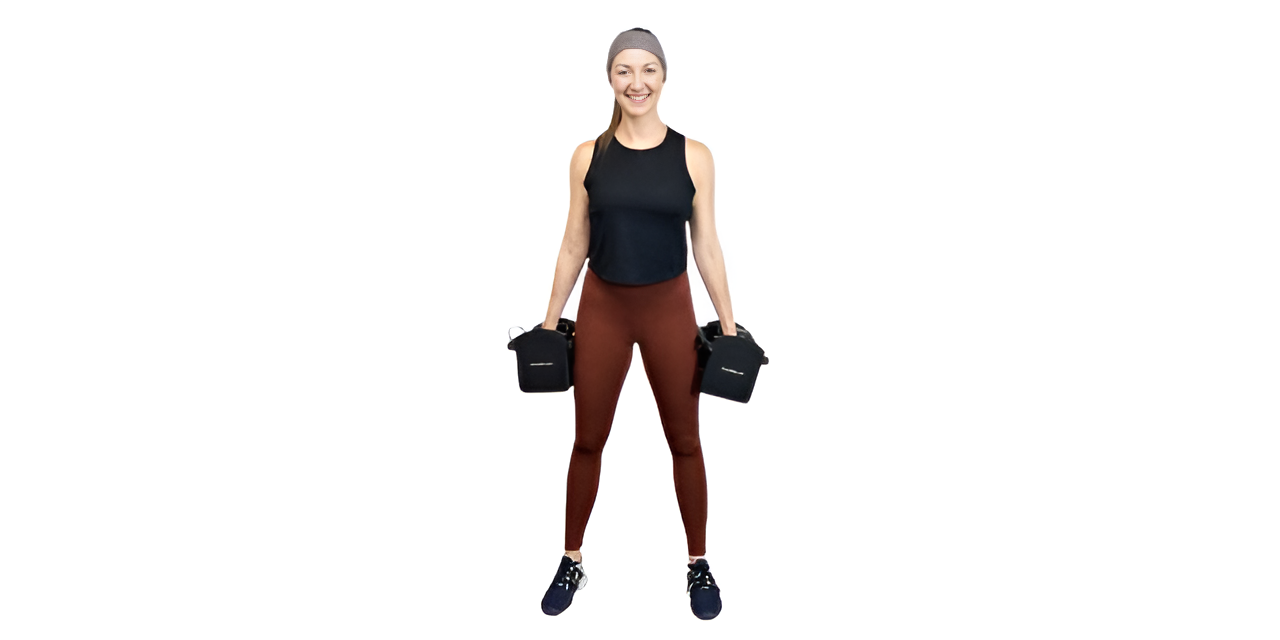
Say hello to one of the most efficient workouts you’ll ever do! The AMRAP (as many rounds as possible) format keeps us moving for almost the entire workout. It also allows you plenty of flexibility to take your pace slower or faster depending on how you feel at the start. With a targeted body focus for each AMRAP circuit, you’ll experience a lot of time under tension, leading to increased muscular endurance and growth. 1-Minute core intermissions offer a fun challenge and, let’s be honest, a nice reprieve from the AMRAPs. While categorized as a level 4 workout, this could easily scale down to a 3 or up to a 5; keep reading for ways to modify to your fitness level. Workout Details • Warmup and cooldown included • 2 Water breaks included • Three 4-minute AMRAP circuits — 4 minutes each with targeted body focus • Three 1-minute core intermissions following each AMRAP • Equipment needed: dumbbells (medium to medium-heavy) and an optional mat The goal with an AMRAP-style workout is to complete “as many rounds as possible” of the exercises listed within the given time frame. Since there are no built-in rest breaks for 4-minutes — you get to decide when and if you take them — efficiency is at an all time high and your heart rate will rise as a result. Within each AMRAP, we focus on one section of the body: total body, lower body, and upper body. Fatigue will accumulate as you get deeper into each AMRAP, leading to a good amount of time under tension. After each AMRAP circuit, we have a 1-minute core intermission where we tackle 1 exercise. Aim to keep moving for that entire minute if you can! This offers us a nice way to balance out upper and lower body strength work, while doubling as an active recovery period. Tips to adapt this workout to your fitness level • To modify to a level 3: use medium weights, move slower through the exercises, and take more rest within the AMRAPs • To scale to a level 5: grab your medium-heavy weights and don’t take rest within each AMRAP I had a lot of fun creating this workout and love the built-in flexibility that AMRAP routines offer. I encourage you to stay in tune with your body throughout the workout, taking rest where needed and pushing yourself when able. Let’s get to work! P.S. Enjoy the funny blooper at the end 🙂 Warmup (4:00 min) — 30 sec each Arm Circles, switch halfway Toe Reach to Squat Crossover + Wide Squat SL Balance + Reverse Fly, switch halfway Reverse Lunge + Press Inchworm + Knee Push-up Plank Leg and Arm Raises Butt Kicks Workout: For each AMRAP circuit, complete each exercise for the recommended reps, back to back for as many rounds as possible in 4 minutes, resting as needed. Full Body AMRAP (4:00) • Thruster x 8-10 • Quick Row, alt. x 8 each side • Curtsy Lunge x 10 total Core (1:00) — Plank Hip Drops WATER BREAK Lower Body AMRAP (4:00) • Alternating Front Lunges x 10 total • Sumo Deadlift x 8-10 • Squat Jump x 10 Core (1:00) — Reverse Crunch + Toe Reach Upper Body AMRAP (4:00) • In and Out Bicep Curl x 10 total • Fly and Press x 8-10 • Tricep Press Up x 8-10 Core (1:00) — Superman to Full Plank WATER BREAK Cooldown (4:00) — 30 sec each Chest Opener on wall – R Chest Opener on wall – L Lat + Tricep Stretch – R Lat + Tricep Stretch – L Wide Leg Forward Fold + Rotation Alt. Lunge/Inner Thigh Stretch Quad Stretch – R Quad Stretch – L
30-Minute Bodyweight Core Workout Fitness Health Track
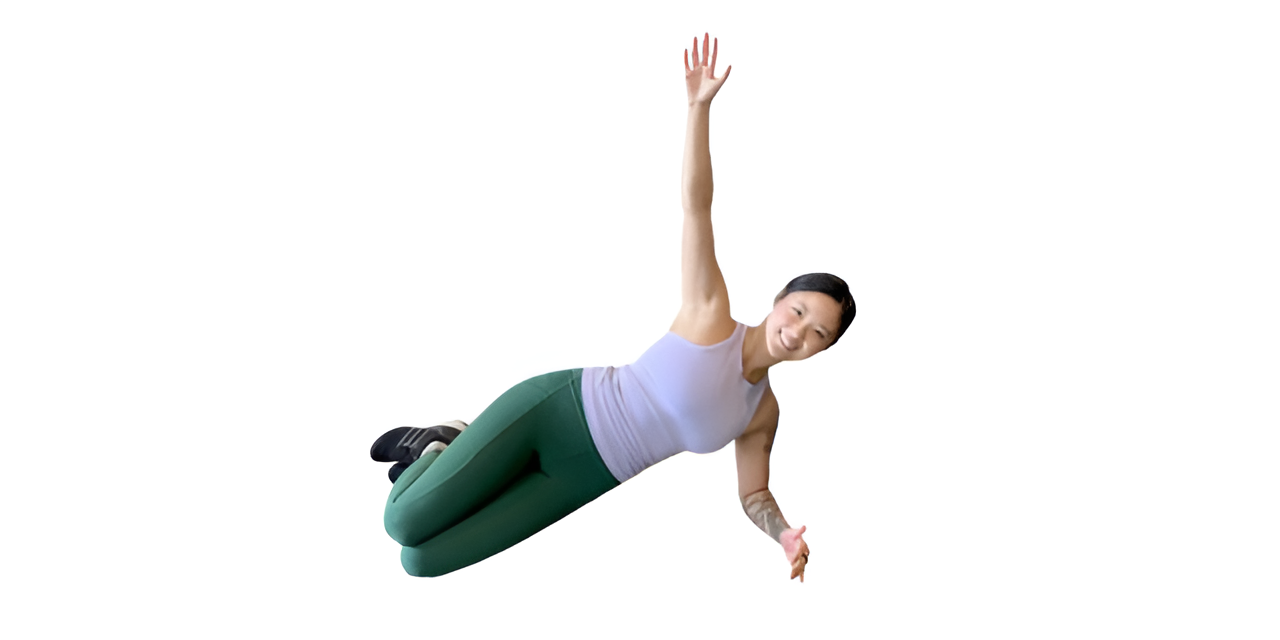
In today’s workout, you’ll test two important aspects of your core strength: dynamic control and stability. Dynamic control refers to your body’s ability to control movement, especially acceleration and deceleration forces. On the other hand, stability reduces twisting forces that act on your spinal column and lead to stress or strain. Luckily, these workout addresses both components through strength-building intervals and prehab work. We open with a 4-minute warm up before entering the first core circuit. Our format follows an ABAB pattern with 35-seconds on and 10-seconds off. Each pairing includes one dynamic control activity followed by a stabilizing exercise. Rest breaks feel quick, but most exercises are done on the floor with easy transitions. The workout gradually tapers off with some of my favorite prehab exercises, like the bird dog, that work your core in unconventional ways. Save the last few minutes for our cool down stretches and official #WorkoutComplete. Core strength becomes incredibly important when it comes to reducing low back pain. Along with other factors like hip and mid-back mobility, adding dynamic control and core stability exercises to your weekly routine could be your secret weapon against chronic pain and back problems! Kayla’s Workout Notes • Timers are quick, but your transition effort is low. We paired similar exercises together (like a Spiderman Plank and a regular plank) to make it easier on you. • There are two water breaks built into the routine. The second one at 24:37 is optional so feel free to fast forward. • This routine is extremely scalable, and I share several exercise variations throughout the core circuits. Printed Workout Warm Up Standing toe touch circles Alt runner stretch Cat/Cow Bear crawl rock Stabilizing dead bug Open Book Core Circuit 1 – Windshield wipers – Hollow man hold – Bear crawl hover + leg extension – Bear crawl hover – Spiderman plank – Plank *Water Break* Core Circuit 2 – Bicycles – Recline Hold – Side plank leg raise – Side plank star hold – Side plank leg raise – Side plank star hold *Water Break* Low Back Prehab Hip CARs Adductor lifts Spicy bird dog Cool Down Stretches Seated Hamstring stretch Seated Adductor stretch Supine Piriformis stretch Floor lateral line stretch

Slow Tempo No Repeat Upper Body Strength Fitness Health Track
Hey, Fitness Health Track Family! We had the Slow Tempo Strength and Lower Body, but I wanted to mix it up today with the Slow Tempo No Repeat Upper Body workout! Today, we will take it slow and steady, focusing on controlled movements to strengthen your upper body. This workout is only 30 minutes and is designed for all fitness levels; whether you’re a beginner or a seasoned pro, get ready to work and build strength! But first, let’s talk about the warm-up. We have two rounds of dynamic movements to get your blood flowing and muscles ready to take on this upper-body workout. Scapula Push Ups, Alt Thread the Needle, Plank Shoulder Taps, Shoulder Dislocates, and Air Rows will wake up your upper body and prime it for the challenges ahead. Next, we have the Upper Body Focus. We’re going for one round of 45 seconds on and 15 seconds off, targeting your chest, back, shoulders, biceps, and triceps. For the chest, grab those heavy dumbbells and get ready for Hand Release Push Ups, Floor Presses, Flys, and Crush Presses. This round focuses on the chest, so here’s a tip for each round: Think about the muscle we are working to make that mind-body connection. Next, we will be transitioning to the back. We’ve got exercises like Bent Over Rows, Kneeling Rows, and Pull Over. I encourage you to stick with the heavyweight for this round. These moves will strengthen your back, improve your posture, and enhance overall upper body stability. Again, take your time with each rep and focus on releasing each rep with control. After the chest and back rounds, we will switch gears to focus on the shoulders, biceps, and triceps. There is a 30-second rest after the back focus round so we can adjust our weights. Grab medium and light dumbbells this time to keep the intensity just right. The shoulder routine includes the Arnold Press, Alternating Shoulder Press, Front Raises, and Lateral Raises. Your shoulders will be on fire after this round. I highly recommend using light weights for the front and lateral raises. Moving on to the biceps, we will start with Alternating Cross Body Curls, Iso Curl L, Iso Curl R, and Hammer Curl. These exercises will work the biceps. For reference, this round I used my medium weight. As you can see, I struggled this round, but I would not give up! So be cautious on this round with your choice of weight. You will only use one dumbbell for the triceps, and I continued using my medium weight here. We’ve got DB Skull Crushers, OH Tricep Extension, 1 DB Close Grip Press, and Modified Close Grip Push Up. This combo will target all aspects of your triceps, making this the perfect way to end this workout. Remember, we’re taking it slow today, focusing on form and controlled movements with a 3/2/3/1 tempo, but there will be a few exceptions with this tempo on some of the exercises. Pick a weight that challenges you but allows you to maintain proper form throughout the set. We will finish with our well-deserved cooldown to help your muscles recover. Seated Shoulder Stretch, Tricep Stretch, Forearm Stretch, and Chest Stretch – take the time to breathe and relax as you release tension from your hard-working upper body. Incorporating a slower tempo into your workout has its benefits. It allows for increased time under tension, promoting muscle growth and strength. Plus, it’s gentler on the joints, reducing the risk of injury. So, embrace the pace of this workout and think about the muscles we are working to get the most out of this workout. So, team, let’s grab those dumbbells and give it a shot! -Brian Workout Structure Equipment: • Dumbbells (Light, Medium, Heavy) • Mat (Optional) Slow Tempo No Repeat Upper Body Warm-up: 2 Rounds, 30 Seconds Each • Scapula Push Ups • Alt Thread the Needle • Plank Shoulder Taps • Shoulder Dislocates • Air Rows Upper Body Focus: 1 Round, 45 Seconds On / 15 Second Rest For Chest and Back Rounds, Heavy dumbbells are recommended. Chest • Chest Press • Alternating Chest Press • Crush Press • Hand Release Push-Up Back • Bent Over Rows • Kneeling Row • Kneeling Row • Pull Over There is a 30-second break for weight changes after the Back round. For the shoulder, biceps, and triceps, medium and light dumbbells are recommended. Shoulders • Arnold Press • Alternating Shoulder Press • Front Raises • Lateral Raises Biceps • Alternating Cross-Body Curls • Iso Curl L • Iso Curl R • Hammer Curl Triceps • DB Skull Crushers • OH Tricep Extension • 1 DB Close Grip Press • Modified Close Grip Push-Up ** Water Break** Cooldown: 1 Round, 30 seconds each • Seated Shoulder stretch (look over shoulder) • Seated Shoulder Stretch (look over shoulder) • Tricep Stretch • Tricep Stretch • Forearm Stretch • Chest Stretch
Day 1: Strength and HIIT Lower Body Circuits Fitness Health Track
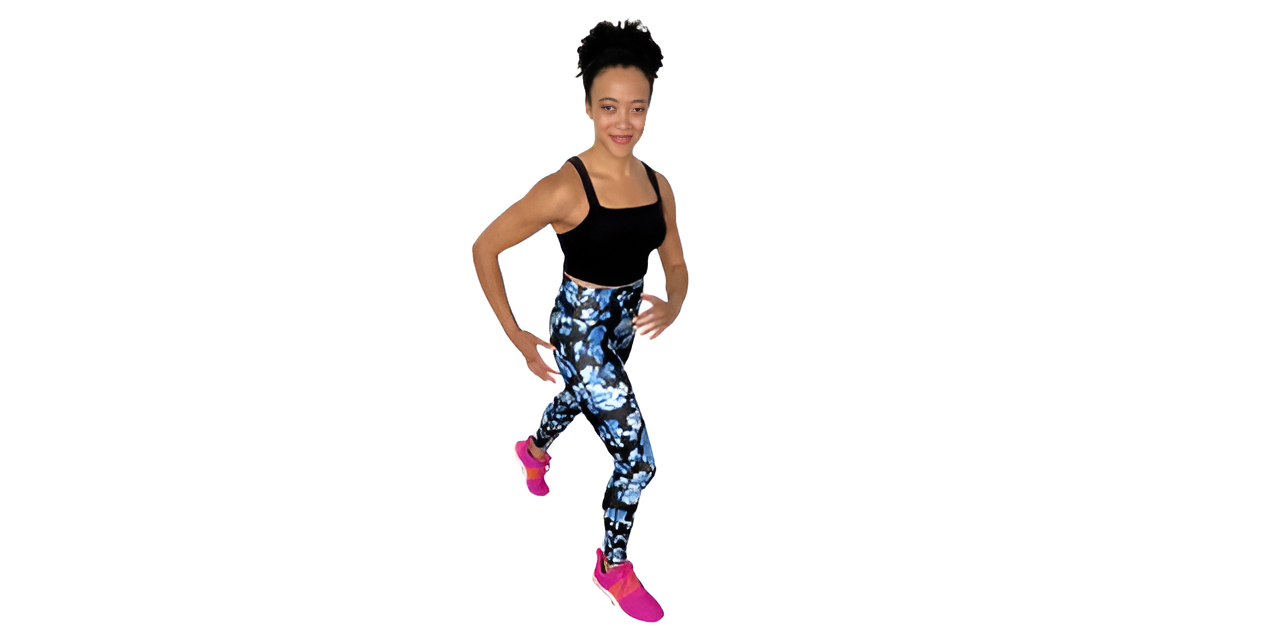
This workout serves as Day 1 of the FB Kickstart 30 Day Program but can also be completed as a standalone workout. Welcome to Day # 1, Week #1 of the FB Kickstart 30 Day Program. We are starting off the program in this first week with half strength and half cardio segments. In today’s workout you will get your strength and cardio (HIIT!) in one training session in a straightforward lower body workout. Increase the challenge by bumping up your weights and picking up the speed! Equipment: You’ll need your medium to moderately heavy weights, relative to what you would lift for a challenging lower body workout. Remember that the terms “medium” and “moderately heavy” are relative to the workout, the effects of your fatigue levels from previous workouts, your training goals, and your current mental state. However, if you need a little help determining which weights to select for this workout, think of your “medium” weights as those that you can lift with little struggle for the entire work interval. Your “moderately heavy” weights are those that cause you to slow your cadence and noticeably increase your efforts at maintaining proper form during the last 2 to 3 reps of each work interval/set. Tips & Helpful Information: It might be tempting to either skip or hold onto your weights during the bodyweight exercises that follow the weighted moves in the lower body strength circuits. These “active recovery” bodyweight exercises maintain highly oxygenated blood flow to your working muscles without overly taxing them, leaving you primed for your next set of resisted lifts and allowing your muscles to “flush out” the tenseness from the prior loaded muscle contractions. For the HIIT portion of the workout, remember that you’re challenging yourself to approach breathless, anaerobic efforts. Try not to reserve your energy during any of the work intervals! Your efforts are based on your personal perceived exertion; therefore, if you’re moving a bit slower or opting for modifications towards the end of a HIIT circuit, these regressions don’t matter nearly as much as your perception of the work effort. Difficulty and Modifications Explained: This workout is rated as a level 3 because the exercises are straightforward and therefore easily modifiable to suit your current training goals, needs, and preferences. To decrease the intensity/difficulty of any exercise, decrease your range of motion, decrease/omit your weights, and/or decrease exercise speed of execution. Conversely, you can increase any of the aforementioned variables to bump up the difficulty rating to a level 4. Closing Notes: Enjoy the simplicity of this workout knowing that you can determine just how hard you want to challenge yourself! This is a great routine for dabbling with heavier weights and experimenting with identifying your personal levels of perceived exertion during high intensity cardiovascular training. Tune in to learn about your capabilities and have some fun along the way! Workout Warm-Up : 30 sec per exercise, no rest between exercises (4:00) -Hip Opener + Knee Hug – R -Hip Opener + Knee Hug – L -Bodyweight Squat + Calf Raise (raise upon standing tall) -Reverse Lunge + Zombie March – R -Reverse Lunge + Zombie March – L -Deadlift -Jump Rope + Feet Shuffles -Jumping Jacks ***30 sec off*** My Weights for the Lower Body Circuits (not a recommendation, just a reference): (Medium to Moderately Heavy Weights) -(per hand) 35 lbs. (~16 kg) / 40 lbs. (~18 kg) Lower Body Strength Circuit Format: 30 sec on / 5 sec off / 3 rounds – 30 sec off between rounds HIIT Circuit Format: 30 sec on / 15 sec off / 2 rounds – no extra rest between rounds Lower Body Strength Circuit #1 : (~4:30) -(weighted) Narrow Squat (Suitcase Squat) -(bodyweight) Squats ***30 sec off*** Lower Body Strength Circuit #2 : (~4:30) -(weighted) Deadlift (RDL) -(bodyweight) Alt. Reverse Lunges ***Water Break*** HIIT Circuit #1 : (~3:00) -Alt. Lateral Squat + Blastoff Squat (center) -Lateral Tap-Outs + Touchdowns (Option: add a hop) ***30 sec off*** HIIT Circuit #2 : (~3:00) -Squat Jacks -Running Man ***30 sec off*** Finisher : 20 sec on / 20 sec off / 3 rounds (~2:00) -Frogger Hops (forward and back) Cool-Down : approx. 30 sec per stretch (approx. 4:00) -Split Stance Quads/Hip Flexors Stretch – R -Pyramid Hamstrings Stretch – L -Split Stance Quads/Hip Flexors Stretch – L -Pyramid Hamstrings Stretch – R -Lateral Lunge Hold Stretch – R -Lateral Lunge Hold Stretch – L -Chest Opener Stretch + Wrist Rotations -Slow Body Roll-Downs
Total Body Cardio Warm Up Workout to Wake up the Body and Mind Fitness Health Track
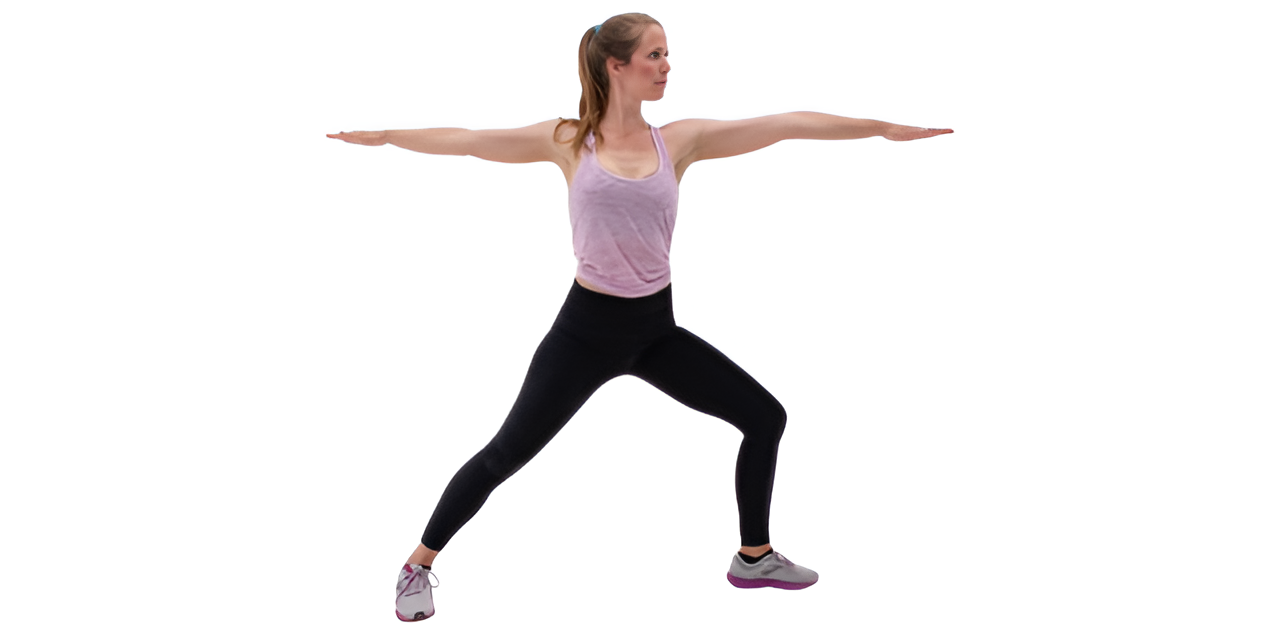
I know that warm ups are tempting to skip, I can see that. I can even see that they might seem like an easy 4-10 minutes to cut off the beginning of your workout – every minute counts when living a busy life, right? Especially since training types that are challenging or more results-focused (like lifting or HIIT) don’t happen during a warm up. So I just won’t do the warm up; I’ll just move on to the more important, more intense, and effective part of the workout, right? That’s saving time, isn’t it? Except, when you pull, strain, or overwork something. Then you might regret not taking the time to warm up. Maybe something doesn’t feel quite right for a day or two, or five days; and then a couple of weeks later, when you haven’t given that “super minor” injury or tweak enough time to heal, now all of the sudden we have a “real” injury that needs time, space, and rest to heal. This can require weeks or months of careful, modified activity. I hope that it doesn’t sound like I’m judging you, because I’m not – I’ve just personally made this mistake before, and think it’s one that we should avoid. Skipping a warm up can ultimately require much more time and patience, than just committing to properly warming up before you push yourself through intense activity. Long story short, respect your body. Give injury or strain a wide berth to heal. Don’t skip the warm up, or the cool down. These shortcuts are not actual shortcuts, and could end up costing us more (time, energy, effort, patience) in the long run. So, now that you’ve recommitted yourselves to warming up properly, think about this – your warm up should look a lot like the workout that will follow. Warm up exercises should be slow, low impact, unloaded versions of the exercises that you will ultimately do quickly, ballistically, and possibly with extra weight or resistance. This warm up incorporates both upper and lower body movements, and could be a suitable warm up for strength, cardio, or HIIT workouts. Feel free to make each of the exercise intervals work for you, whether that means slowing or quickening the pace, the depth of any ranges of motion, or whether or not an exercise is low impact. Total Body Warm Up Workout – 30 Seconds Each Interval Jog in Place 3 Twists + Push Through High Knee March + Curl Step Back + Tricep Kickback Warrior Jacks Standing Jackknife High Knee Taps + Butt Kick Taps Slow Walkdown Freestyle Stretch Bird Dogs Push Up + Reach Bridge Toe Touch Drops Squat Butt Kickers Lunge Jumping Jacks Lateral Jumps The thing I love about our warm ups is that they can also be used all throughout the day, not just before a HIIT or strength workout. Our brains and bodies work best when treated to short breaks throughout the day – chances to get out of the chair and take our mind out of endless meetings and eyes away from the laptop, cell, or television screens. A quick little mental break, particularly when paired with a short bout of light activity, can help boost creativity, mood, and productivity – not even considering all of the many health benefits provided by that additional movement where one would otherwise be very sedentary. I hope you enjoy this new warm up. Let me know what you would like to see next!
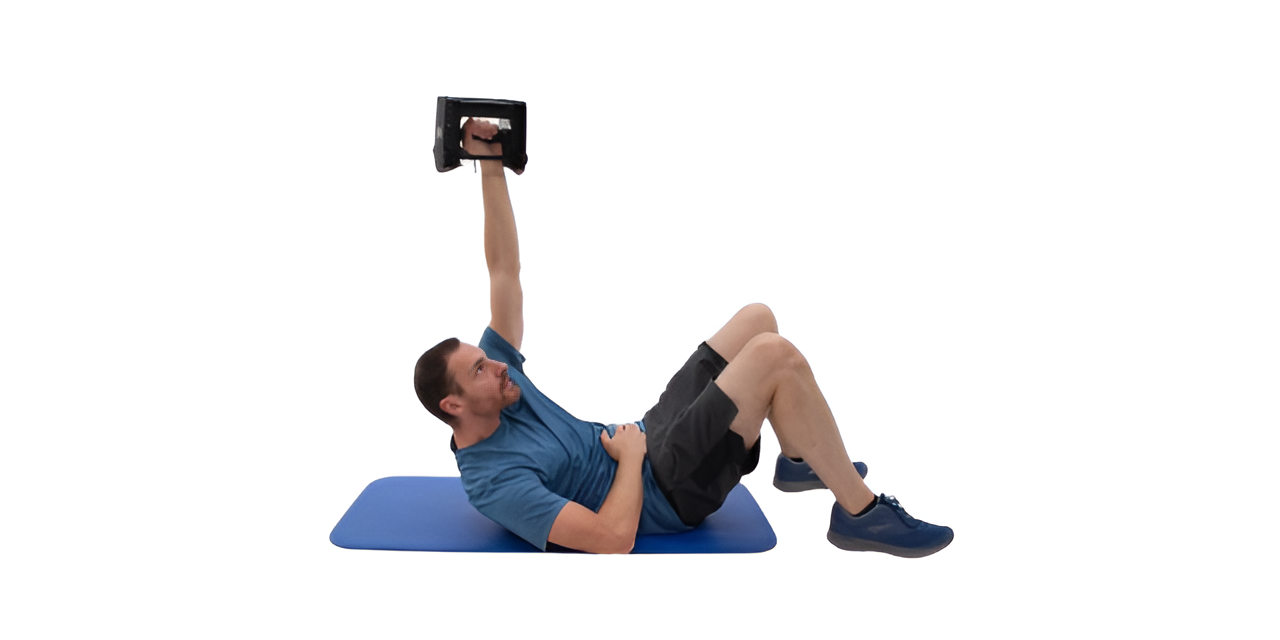
Weighted Core Strength Routine Home Abs Mass Dumbbell Routine Fitness Health Track
We put out core routines relatively frequently, but most are shown as bodyweight-only workouts that focus on core conditioning/toning. So, for this routine I thought I would show a version that is designed to be done with weight, with the specific intent of increasing strength and mass of the core muscles. Now I know that the idea of increasing the size of your core may not be what everyone is going for, so if you are looking more for a toning routine, then all you need to do is just drop the weights and this mass routine becomes a toning routine. If you are going through this workout with the intent of building strength and/or mass, here are a few things to keep in mind. First, as with any strength or mass workout, don’t lift so much that your form or range of motion starts to suffer. If you have ever done one of our strength routines of any kind before, you have probably already heard us say this time and time again; form and range of motion are vastly more important than the amount of weight you lift when it comes to injury-free, functional strength. Second, set the weight you use based on your rate of fatigue. Your goal should be to use a weight that is heavy enough that you can get almost all of your repetitions done with perfect form and full range of motion. Only the last 2 or 3 repetitions should be allowed to suffer as those muscles become too exhausted to keep clean from. Third, as your muscles give out on those last few repetitions, start to really focus on the “negative” movement. More formally known as an eccentric contraction, a negative is the point at which the load overcomes the force that the muscle can or is providing and the muscle starters to lengthen. For example, when doing a dumbbell curl, the eccentric phase is when the dumbbell is dropping back down from the shoulder, which elongates the bicep muscles. By focusing on this movement and trying to control the eccentric phase, you can get extra micro tears in your muscle fiber, causing a higher degree of progress to increasing strength and size in the muscle being worked. So, when you start getting tired, don’t just let that weight drop. Trying your best to fight against the weight dropping is the most important part of your entire strength routine. Lastly, be sure to adjust the weight you are using per set, as needed. Don’t get stuck in a mindset that what you start with you have to finish with. For some exercises, you may feel you can increase your weight and others you may need to decrease, and it may just be for a single set before you change again. Your body is a dynamic, ever-changing machine, so you need to be able to change and adapt to its needs on a daily, if not minute by-minute, basis. Give this routine a try and let us know what you think. Would you like to see more mass building core routines? Or do you have an idea for a completely new workout? Let us know in the comment section below. Workout Structure: – Core Focus – Two Groups of Exercises – Intervals of 45 Sec On; 15 Sec Off – 3 Sets Each Exercise Equipment: – Dumbbells (optional) Warm Up / Cooldown: – Both Included Warm Up: – Side Step + Overhead Reach – Torso Circles – Toe Touch Sweeps – Lunge Rotation L – Mock Standing Side Crunch L – Mock Standing Side Crunch R – Bent Over Cat Cow – Torso Twist + Knee – Up and Out Jack Workout: 24 Min (Intervals 45 On; 15 Off) – Crunch – Back Bow – Windshield Wipers – Back Bow Crossover —- Water Break —- – Side Crunch R – Diagonal Crunch R – Side Crunch L – Diagonal Crunch L Cooldown: – Torso Stretch L – Torso Stretch R – Lying Oblique Stretch R – Lying Oblique Stretch L – Cobra – Child’s Pose – Kneeling Shoulder Tuck L – Kneeling Shoulder Tuck R – Cat Cow – Full Body Stretch
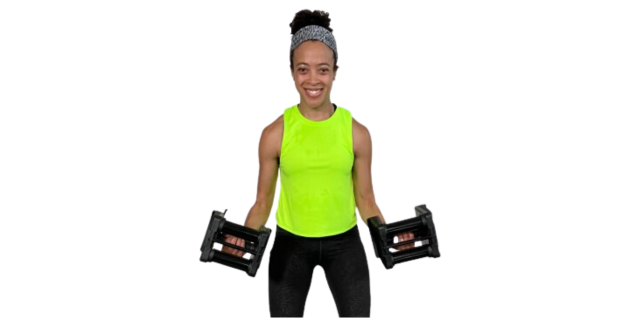
Weighted Upper Body Strength Circuits with Bodyweight Intermissions Fitness Health Track
If you enjoyed the format of the Weighted Lower Body Strength Circuits with Bodyweight Intermissions workout, then you will enjoy this workout as well! This workout follows the same format as its lower body counterpart and mixes in a little core work, too. The 35-second intervals during the Strength Circuits are just long enough for you to challenge your upper body muscles to the point of pre-fatigue. With quick 10-second recovery intervals between exercises, your heart rate will remain elevated. Your goal is to maintain a moderate tempo of cadence during each lift, focusing on fluid, continuous motions with momentary pauses for postural or grip resets. Keep your weights nearby for the quick transitions between exercises. I recommend a medium load for Strength Circuits #1 and #3 and a light load for Strength Circuit #2. In this video, I am using 15 lbs. (~7 kg) as my medium selection, 10 lbs. (~4.5 kg) for my light weights. Please lift weights that match your current fitness level, state of mind, and ambitions for the day. Core work is included during the Intermissions because it is so easy to tire out the upper body muscles. We need a little break from solely focusing on these muscle groups to avoid complete exhaustion. The Intermissions also serve as a reminder that core engagement is crucial for every movement pattern and that your core has already been put to work during the Strength Circuits, even though they were not the primary movers during these circuits. This acknowledgment of your core’s role in everything that you do helps improve the mind-muscle connection throughout this workout, as well as during the many workouts to come. Focus on a slow, deliberate cadence during the Intermissions to increase muscle time under tension, a training technique that is beneficial for improving strength, balance, and coordination. As always, your options for decreasing the difficulty of any exercise include: • Decreasing your weight selection • Removing the weight altogether and opting for the bodyweight alternative • Decreasing your range of motion to a degree that is optimal for your current fitness level (considering current stress level, muscle fatigue, and acute and/or chronic injuries) I mention and demonstrate modifications and options throughout the video, but here are a few extra alternative exercises to prepare you for the workout before you press play: • Inchworm Walkout + Push-Up (Intermission #1): remove the Inchworm portion, Down-Dog + Push-Up • Up-Downs + Knee-Pull-Ins (Intermission #1): if you drop to your knees, change the Pull-Ins to Shoulder Taps • Laterally Traveling Bear Crawls (Intermission #2): stay stationary in either Full Plank or Bear Crawl position, add Hand Taps (tap the top of the opposite hand) This is a relatively quick workout! You’ll be done before you know it so enjoy the journey along the way. Workout Warm-Up: 30 sec per exercise, 2 rounds, no rest between exercises or rounds (6:00) – Jump Rope – Squat + Arm Sweeps – Double Pulse Running Man – Single-Leg Lateral Hop + Knee Raise (alternating raises) – Seal Jumping Jacks – Rotating Side Planks FORMAT: – Upper Body Circuits: 35 sec on, 10 sec off; 2 rounds per circuit (no rest between rounds) – Intermissions: 1:00 on, no rest between moves Upper Body Circuit #1: – Single-Arm Overhead Press – R – High Wide Row – Single-Arm Overhead Press – L Intermission #1: – Inchworm Walkout + Push-Up – Up-Downs + Knee-Pull-Ins ***Water Break*** Upper Body Circuit #2: – Scaption + Lateral Raise – R – Biceps Curls – Scaption + Lateral Raise – L Intermission #2: – Laterally Traveling Bear Crawls – Rollup (sit-up, arms forward then press overhead) Upper Body Circuit #3: – Single-Arm Upright Row – R – Triple Count Descent Push-Up – Single-Arm Upright Row – L Cool-Down: approx. 30 sec per stretch (approx. 4:30) – Arm Circles (forwards and back) – Crossbody Shoulder Stretch – R – Overhead Triceps Extension Stretch – R – Crossbody Shoulder Stretch – L – Overhead Triceps Extension Stretch – L – Side Bend Reach – R – Side Bend Reach – L – Chest Opener + Wrist Rotations – Tree Hug Stretch + Overhead Reaches (alternate)
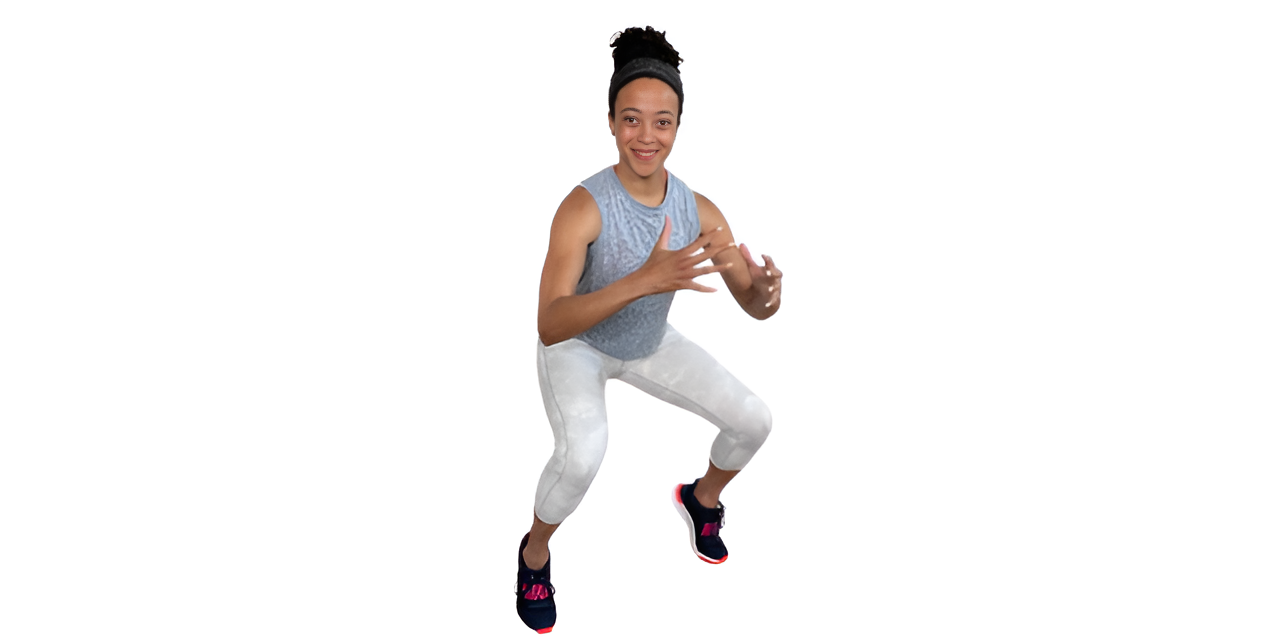
Quick Bodyweight HIIT with Active Recovery Intervals Fitness Health Track
In this fast-paced high intensity interval training (HIIT) workout you will prime each plyometric exercise with a preceding isometric contraction. There is very little full recovery time between exercises in this workout — you are either engaged in an active recovery or taking a quick five-second “shakeout” to transition from one working interval to the next. There are five pairs of isometric and dynamic exercises in this routine. Treat the 20-second isometric exercise as a lead-in to the following 30-second cardio-focused exercise. Imagine that you are in crouched formation at the starting line of a track meet for the 100-meter dash, mentally sharpening your focus on a stellar performance and physically storing explosive energy for your launch off the starting blocks. Transitioning from a constant muscle contraction directly into a quick-twitch muscle fiber dynamic movement pattern improves your ability to quickly adapt, adjust, and respond to varying energy demands with the appropriate energy pathways. This contrast in energy needs makes for an intense workout. As with many other HIIT workouts, the benefits of this training style extend beyond the workout. In addition to the potential for increased post-workout calorie burn and cardiac output, HIIT workouts challenge you to put forth an uncomfortably challenging effort that improves your mental stamina and dedication toward similarly challenging endeavors both within and outside of the fitness arena. There are a few five-second shakeouts sprinkled throughout the workout towards the end of each segment/before each water break as well as before the cool-down. Otherwise, your scheduled breaks occur during the two water breaks and cool-down. During your five-second breaks, catch your breath and reset your posture before moving on to the next exercise or feel free to omit the shakeouts and proceed to the next exercise with no rest for an extra challenge. Five seconds might not seem like a lot of time, but using these few seconds to regroup is monumental for your tired muscles and brain. Enjoy the three “challenge” intervals in this workout! Don’t worry — these are not random intervals and I always prepare you for their arrival. Each challenge interval combines slow and quick tempo movement patterns as an extra opportunity for you to push your physical (and mental) capabilities to the limits. Have fun. Beware your sweat. Workout Warm-Up: 30 sec per exercise, no rest between exercises (4:00) -Squat + Knee Hugs (alternating) -Butt Kickers -Reverse Lunge + Overhead Press (alternating) -Inchworm + Knee Pull-Ins -Jump Rope -Deep Squat + Torso Rotations -Line Hops (forward and back) -Jumping Jacks + Quarter Turn Format for each Pair: Hold an isometric contraction of the first exercise in each pair for 20 seconds, followed immediately by 30 seconds of quick, explosive movement during the second exercise. Complete each pair twice (no rest between rounds). Recover approximately 30 seconds between and after pairs with the (optional) active recovery exercise. Pair #1: -Squat Hold + Heel Lift -Quick Squat Hops (forward and back) Active Recovery #1: Bodyweight Squats Pair #2*: -Lunge Hold + Arms OH -Lunge Hop w/ Sprinter’s Arms (*R leg forward on round 1, L leg forward on round 2) Active Recovery #2: Alternating Reverse Lunges Challenge #1: 45 sec, 1 round -3-Count Squat + Quick Squat Jump + Squat Thrust ***Water Break #1*** Pair #3: -Superhuman Hold -High Knees Active Recovery #3: Jump Rope Pair #4: -Forearm Plank -Twisting Mountain Climbers Active Recovery #4: Full Plank + Down-Dog Challenge #2: 45 sec, 1 round -3-Count Push-Up + Plank Thrust ***Water Break #2*** Pair #5: -Hollow-Man Hold -Sprinter’s Sit-Up Active Recovery #5: Dead Bug Challenge #3: 45 sec, 1 round -3-Count Bicycle Crunch + Toe Reach Crunch Cool-Down: approx. 4:00 (approx. 30 sec per stretch) (all on the mat) -Full Body Supine Stretch -Knee Hug/Spinal Massage -Hamstrings Stretch – R -Quads/Hip Flexors Stretch – R -Hamstrings Stretch – L -Quads/Hip Flexors Stretch – L -Chest Opener Stretch -Tree Hug + Shoulder Rolls